
Jay Winston’s tragic death in a car crash shocked the “Nightwatch” community and highlighted the immense challenges faced by first responders. As a dedicated paramedic, he formed deep connections with viewers while advocating for mental health resources and safety awareness. His passing sparked community initiatives honoring his contributions, emphasizing the dangers responders face daily. This loss not only affected colleagues but also changed production dynamics on “Nightwatch.” To uncover more about this profound impact, keep exploring the story.
The Life and Legacy of Jay Winston
The profound impact Jay Winston had on his community is undeniable.
As a dedicated paramedic in New Orleans, he became a familiar face on A&E’s “Nightwatch,” showcasing the challenges first responders face daily. His genuine connection with viewers fostered a deep appreciation for emergency services.
Tragically, his life was cut short in a car crash on June 9, 2022, leaving a void in the hearts of many.
Tragically, Jay Winston’s life ended in a car crash on June 9, 2022, leaving an irreplaceable void in the community.
In response, the community honors NOPD officer Winston through various events and tributes, reflecting their gratitude for his service.
His affiliation with Teamsters highlighted the importance of union support in high-pressure roles, further emphasizing the risks of emergency response work. Additionally, his story resonates with the broader themes of systemic injustice that challenge the lives of many in service-oriented professions.
Jay Winston’s legacy will forever inspire those who serve.
How the Accident Transformed a Community
Although Jay Winston’s tragic accident left a profound void, it also sparked a transformative wave within the New Orleans community. His loss united people in ways few could have predicted, emphasizing the importance of first responders and their daily sacrifices.
Here are some key changes that emerged:
- Community Events: Memorials and gatherings were organized to honor Jay and support his family.
- Awareness Campaigns: Discussions on the dangers faced by emergency personnel gained momentum.
- Support Networks: Local organizations rallied to provide resources for first responders.
- Mental Health Focus: Increased dialogue around mental health resources became a priority, recognizing the emotional toll on colleagues.
These efforts not only honored Jay’s legacy but also strengthened the bond within the community. This collective action reflects the urgent need for awareness of systemic racism, highlighting how shared experiences can foster unity and resilience in the face of adversity.
The Role of Emergency Responders in Our Lives
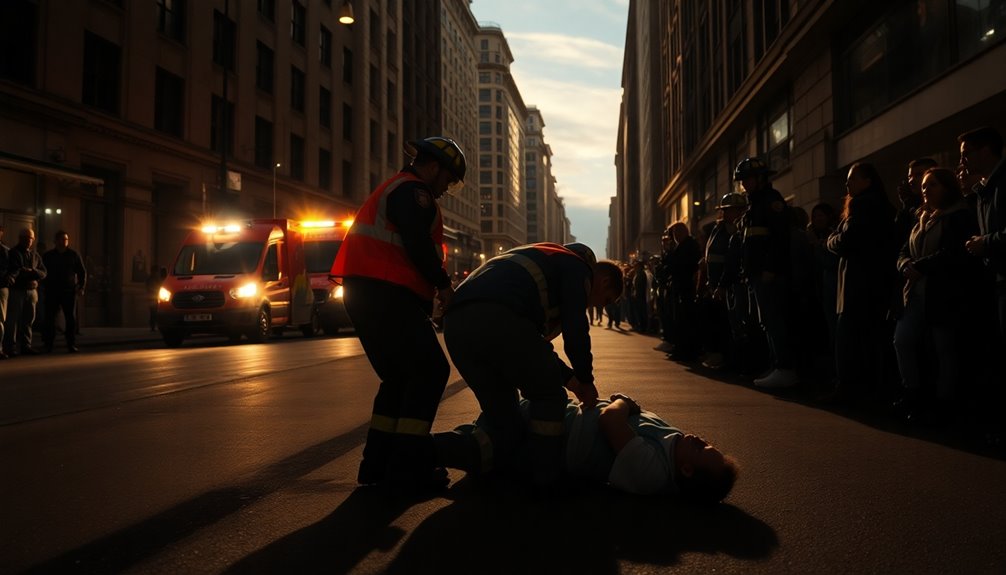
Jay’s tragic loss highlighted the often-overlooked role of emergency responders in our lives. These brave individuals, including paramedics and police officers, are the first line of defense during crises, offering immediate assistance when we need it most. They face daily risks, often encountering traumatic situations that few can imagine. The community relies on them not just for emergency responses but also for educating us on safety practices. Their essential contributions to public safety often go unrecognized, underscoring the need for community support and appreciation. Events and memorials are held to honor their sacrifices, reminding us of the emotional toll their work takes on families and communities. Their commitment to fostering a sense of dignity in challenging circumstances truly exemplifies the profound impact they have on our lives. Let’s acknowledge their dedication; they truly make a difference.
Natasha Hunter: A Fallen Officer’s Story
Natasha Hunter was more than just a dedicated officer; she embodied the spirit of service and sacrifice. Her tragic death on September 26, 2017, while protecting others, shook the community to its core. As you reflect on her legacy, consider how her story sparked efforts to honor fallen heroes and improve safety for those who protect us daily. Her experience resonates with the ongoing struggle against racial injustice faced by many in our society.
Legacy Of Service
The tragic loss of Officer Natasha Hunter on September 26, 2017, serves as a stark reminder of the sacrifices made by those in law enforcement. Her legacy reflects the dedication and bravery of officers who put their lives on the line daily.
The community’s response to her passing underlines the importance of honoring such heroes. Here are some key points about her impact:
- Natasha embodied the spirit of service, inspiring fellow officers.
- Memorials highlighted the dangers first responders face in high-risk environments.
- Her death sparked discussions on improving safety measures for emergency personnel.
- The emotional toll on families and colleagues deepened community support for law enforcement.
Through her legacy, Natasha Hunter will always be remembered as a true officer of the community.
Tragic Incident Details
While directing traffic at an accident scene, Officer Natasha Hunter’s life was tragically cut short on September 26, 2017, when a suspected drunk driver struck her.
Hunter, a dedicated member of the New Orleans Police Department, died while protecting others, highlighting the dangerous realities faced by first responders.
This incident deeply affected her family and colleagues, showcasing the profound bonds within the law enforcement community.
It also served as a wake-up call about the perilous conditions paramedics and officers often navigate while on duty.
Hunter’s sacrifice raised public awareness about the urgent need for enhanced safety measures to protect those who serve and protect us.
Her legacy remains a poignant reminder of the risks our first responders take every day.
Community Remembrance Efforts
As the community mourns the loss of Officer Natasha Hunter, heartfelt remembrance efforts have emerged to honor her sacrifice. These initiatives not only pay tribute to her dedication but also highlight the daily risks faced by first responders.
Here are some ways the community is coming together:
- Memorials: Local artists and residents have created murals and plaques honoring Hunter’s bravery.
- Awareness Events: Community gatherings raise awareness about safety measures for traffic management at accident scenes.
- Fundraisers: Initiatives support organizations that advocate for first responder safety and training.
- Vigils: Regular vigils allow residents to remember Hunter and reflect on the sacrifices of those who protect them.
These efforts reinforce the community’s commitment to honoring Natasha’s legacy.
Understanding the Dangers First Responders Face
Every day, first responders put their lives on the line, facing dangers that many people rarely consider. Traffic incidents are one of the most significant risks they encounter. While attending emergencies, paramedics and police officers often find themselves exposed to oncoming vehicles, heightening the stakes of their work.
Tragically, the deaths of Jay Winston and Natasha Hunter underscore the perilous environment these heroes navigate daily. Statistics reveal that emergency responders are more likely to suffer fatal accidents compared to other professions, highlighting the inherent risks they face. The courage demonstrated by these individuals mirrors the acts of courage seen in historical resistance movements, emphasizing their vital role in society.
Communities honor these fallen individuals with memorial events, raising awareness about their sacrifices. To safeguard first responders, increased safety measures, like enhanced traffic control protocols, are vital in reducing these dangerous incidents.
Behind the Scenes: The Reality of “Nightwatch”
When you watch “Nightwatch,” you’re getting a real look at the intense challenges emergency responders face every day.
The shift from New Orleans to Tampa brought new dynamics that affected both the cast and the community’s response.
As you see these heroes in action, you can’t help but appreciate the support they receive and the risks they take. This reality is reminiscent of the intricate plot twists found in Agatha Christie’s novels, which often reveal the complexities of human behavior under pressure.
Real-Life Emergency Challenges
While filming “Nightwatch,” the crew encounters the intense realities that emergency responders face daily, revealing both their heroic efforts and the emotional weight of the job.
The show highlights the challenges of working in high-pressure environments, emphasizing the real-life dangers these professionals confront. Here are some key challenges they face:
- Vehicle Accidents: Responders often deal with the aftermath of crashes, putting their safety on the line.
- Hazardous Conditions: Exposure to dangerous environments can lead to severe risks.
- Emotional Toll: The stress of witnessing trauma can impact responders’ mental health.
- Community Impact: Their work fosters greater appreciation and respect for emergency services in the community.
Through these challenges, “Nightwatch” offers a deeper understanding of the emergency response world.
Impact of Show Changes
As the impact of Jay Winston’s tragic death rippled through the production of “Nightwatch,” the show faced significant changes that reshaped its direction.
The departure of paramedic Nick Manning, following the end of the New Orleans EMS partnership, marked a pivotal shift. Relocating to Tampa, Florida, altered the original dynamic, affecting how local emergency services were portrayed.
This shift forced the cast and crew to adapt to new locations and partnerships while still addressing the challenges faced by first responders. Furthermore, the change in filming locations influenced the narratives, showcasing different community dynamics and emergency response scenarios.
The loss of key cast members like Winston added emotional weight, reminding everyone of the fine line between entertainment and reality.
Community Response and Support
The impact of Jay Winston’s tragic death resonated far beyond the set of “Nightwatch,” prompting a powerful community response that united residents and first responders.
This heartbreaking event highlighted the risks faced by emergency personnel and led to significant initiatives in New Orleans.
Here are some key ways the community came together:
- Public memorials honored Jay and NOPD officer Natasha Hunter, fostering solidarity.
- Local events raised awareness about the sacrifices made by first responders.
- Safety initiatives were launched to improve working conditions for emergency personnel.
- Mental health discussions emerged, emphasizing support for families and colleagues affected by such tragedies.
Together, these actions reflect a community’s commitment to honoring their heroes and ensuring their safety.
The Impact of Show Departures on Cast Dynamics
When a key cast member departs, the dynamics of a show like “Nightwatch” can shift dramatically. The exit of Nick Manning after the New Orleans EMS partnership ended brought significant changes to the cast dynamics.
As the show relocated to Tampa, new members joined, impacting team cohesion and interactions. These cast changes reflect the unpredictability faced by first responders, mirroring the show’s core themes. Additionally, viewers often develop attachments to specific paramedics, so such departures can alter emotional investment in the series. The tragic loss of crew member Gary Tuck underscores the importance of continuity and rapport among emergency responders, reminding everyone that these relationships are crucial to the fabric of “Nightwatch.” In many ways, the emotional impact of these departures parallels the historical injustices faced by marginalized communities, emphasizing the need for authentic narratives.
Community Tributes: Honoring Fallen Heroes
In honoring fallen heroes like Jay Winston, the community comes together to celebrate their lives and contributions. Events and memorials recognize their bravery and serve as a poignant reminder of the risks faced by first responders.
Here are some ways the community pays tribute:
- Memorial Services: Community gatherings to remember Winston and others, celebrating their dedication.
- Awareness Campaigns: Initiatives highlighting the dangers emergency responders face daily.
- Fundraisers: Events that raise funds for families of fallen heroes, ensuring their legacy lives on.
- Social Media Tributes: Posts and stories that honor Winston and Natasha Hunter, spreading their impact far and wide.
These tributes foster a sense of unity and support for local emergency services, reminding us of their sacrifice. This collective remembrance echoes the power of storytelling, illustrating how shared narratives can inspire courage and resilience within a community.
The Mental Health Challenges of First Responders
While many admire the bravery of first responders, few understand the profound mental health challenges they face. Paramedics like Jay Winston often encounter traumatic situations, such as a paramedic car crash, that can lead to severe stress and emotional exhaustion.
Nearly 37% experience symptoms of PTSD, along with anxiety and depression. The demanding nature of their work often results in burnout, affecting both personal lives and job performance.
Unfortunately, the stigma surrounding mental health issues makes it difficult for many to seek help. Community awareness and support programs are essential in addressing these mental health challenges.
Initiatives focusing on peer support and mental health resources can greatly reduce the psychological toll, promoting better well-being for those who serve on the front lines. Furthermore, understanding the effects of systemic oppression on mental health can foster greater empathy and support for first responders facing these challenges.
How Does the Entertainment Industry Handle Tragedy?
When tragedy strikes in the entertainment industry, you’ll often see a strong community response.
Memorials are held to honor those lost, and mental health resources are made available to support grieving cast and crew.
Production teams typically pause their work, allowing everyone time to process the loss and heal together. This communal grieving mirrors the themes of love and loss explored in literature, where personal tragedy intertwines with broader societal issues.
Community Support Initiatives
After a tragedy strikes, the entertainment industry often rallies together to support those affected, demonstrating a strong commitment to community welfare. Here’s how they typically respond:
- Memorial Events: Productions organize vigils and fundraisers to honor fallen crew members, ensuring their contributions are remembered.
- Safety Protocols: Following incidents, safety measures are revamped to raise awareness about the risks of on-set work.
- Community Tributes: Public memorials serve to honor first responders, reinforcing their crucial role in society.
- Support Systems: Collaborations with local organizations provide counseling and financial assistance to affected families, helping them navigate their loss.
These initiatives reflect the industry’s dedication not just to entertainment, but to the community that supports it.
Mental Health Resources Provided
In the wake of tragedy, the entertainment industry recognizes the profound emotional impact on cast and crew. To address this, many productions provide mental health resources, including counseling and support services.
After the death of Jay Winston, A&E and its teams highlighted the need for mental health support, especially for those facing traumatic events. Wellness programs have emerged, offering access to therapists and peer support groups, helping individuals cope with loss.
Furthermore, studios are developing industry-wide initiatives to create a culture of openness about mental health, encouraging everyone to seek help without fear of stigma. These efforts aim to guarantee that those affected by tragedy have the resources they need to heal and move forward.
Memorials for Fallen Members
Though tragedy strikes hard, the entertainment industry often comes together to honor the lives of fallen cast and crew members through heartfelt memorials and tributes.
In the wake of Jay Winston’s tragic paramedic car crash, local events commemorated his contributions to “Nightwatch” and his community.
Here are some ways the industry handles these moments:
- Moments of Silence: Sets observe pauses to remember the deceased.
- Public Gatherings: Fans and colleagues unite to celebrate their lives.
- Plaques and Dedications: Installations honor their legacy on set.
- Support for Families: Organizations like the Teamsters provide assistance to grieving families.
These memorials not only celebrate lives but also spark crucial discussions about safety in the industry.
The Ripple Effect of Loss on Colleagues and Fans
Grief swept through the “Nightwatch” community following Jay Winston’s tragic death, leaving a profound impact on both colleagues and fans. The paramedic car crash that took his life shook the emergency response team, creating a shared sense of loss among first responders.
Colleagues mourned not just a skilled paramedic but a friend, highlighting the close-knit nature of the “Nightwatch” cast and crew. Fans, too, felt the weight of his absence, sharing heartfelt tributes across social media platforms.
Community events honoring Winston served as reminders of the sacrifices made by those in the line of duty, fostering solidarity. This loss resonated deeply, prompting discussions about mental health and the ongoing dangers faced by emergency personnel every day.
Increasing Awareness: Safety for Emergency Personnel
As the tragic loss of Jay Winston underscores, emergency personnel face significant dangers daily, particularly in high-risk situations like traffic incidents.
The deaths of responders like Jay and Natasha Hunter highlight the urgent need for increased awareness and safety measures.
The tragic losses of responders such as Jay and Natasha Hunter emphasize the critical need for heightened awareness and safety measures.
Here’s how you can help support emergency responders:
- Educate Yourself: Learn about the risks faced by emergency personnel and the importance of their roles.
- Advocate for Safety Protocols: Support initiatives that promote safety measures at accident scenes.
- Participate in Community Events: Attend memorials and events that honor fallen responders to show your support.
- Spread the Word: Share information on social media about safety protocols to raise awareness in your community.
Together, we can foster greater respect and support for those who risk their lives to keep us safe.
Continuing the Conversation: What Can We Do?
The tragic loss of Jay Winston reminds us that honoring and supporting emergency responders is an ongoing responsibility.
You can help by actively participating in community events that recognize their sacrifices. Increased public awareness about the dangers these heroes face can drive advocacy for better safety measures and policies.
Engage in discussions about mental health support for first responders; addressing their emotional toll is vital, especially after losing colleagues.
Collaborate with local governments and organizations to enhance training programs focused on safety and emergency response protocols.
Finally, encourage community involvement in fundraising initiatives to provide essential resources for emergency services and their families.
Together, we can create a supportive environment that values and protects those who serve us.
Conclusion
Just like a candle flickering in the wind, Jay Winston’s light may have been extinguished, but it continues to illuminate the lives he touched. His story serves as a reminder that behind every headline, there’s a human heart beating with dreams and struggles. As we reflect on the sacrifices of first responders and those they leave behind, let’s guarantee their legacy burns brightly, guiding us toward a safer, more compassionate world for all.