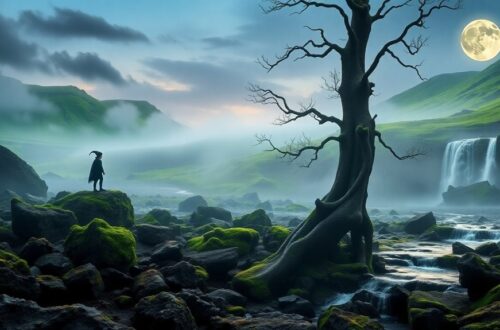
Icelandic folklore is a fascinating blend of ghostly tales, hidden elves, and mischievous trolls, reflecting the island’s unique cultural heritage. You’ll find that many locals believe in the huldufólk, or hidden people, who live in rocks and hills. The infamous Yule Lads reward good behavior during Christmas, tying ancient beliefs to modern traditions. Each character and story is steeped in moral lessons that shape Icelandic identity. There’s so much more to uncover about these enchanting myths and their impact on daily life.
The Allure of Icelandic Folklore: An Overview
Icelandic folklore captivates with its vibrant mix of Norse mythology and Celtic influences, creating a world filled with elves, trolls, and ghosts that mirror the country’s stunning landscapes.
You’ll find that the hidden people of Iceland, or huldufólk, play a significant role in local culture, with many still believing in their existence.
From the mischievous Yule Lads—who reward the good and punish the naughty—to the eerie tales of Icelandic ghosts like the Deacon of Dark River, folklore enriches the national identity.
The enchanting tales of Yule Lads and the Deacon of Dark River weave a rich tapestry of Icelandic identity.
While on a folklore walking tour, you’ll discover how these stories shape environmental decisions, like rerouting roads to avoid disturbing elf dwellings, reflecting a deep respect for both nature and cultural heritage. Additionally, similar to how Agatha Christie’s intricate plots have captivated readers, Icelandic tales weave complex narratives that resonate deeply within the culture.
Who Are the Huldufólk? Understanding the Hidden People?
In Icelandic folklore, the Huldufólk, or “hidden people,” are fascinating beings that many believe live parallel to our world.
You’ll find that these mysterious figures aren’t just stories; they carry significant cultural weight, influencing everything from construction practices to personal beliefs. Understanding their characteristics and the superstitions surrounding them reveals how deeply embedded they’re in Icelandic society today. Many Icelanders maintain that the presence of social media can influence perceptions of these mythical beings, reflecting a blend of ancient beliefs with modern interpretations.
Characteristics of Huldufólk
Though often hidden from view, the Huldufólk, or “hidden people,” captivate the imagination with their beauty and mysterious nature. These enchanting beings, a significant part of Icelandic folklore, dwell in a parallel dimension, typically found in rocks and hills.
Here are some key characteristics of the Huldufólk:
- Elusive Nature: They can become visible at will but prefer to remain unseen, showcasing their shyness.
- Diverse Types: There are over 50 types of elves in Iceland, including light-elves (ljósálfar) and dark-elves (dökkálfar), each with distinct appearances.
- Cultural Beliefs: Many Icelanders believe disturbing their homes brings misfortune, influencing road construction and development decisions.
Understanding these traits helps you appreciate the rich tapestry of Icelandic folklore surrounding the Huldufólk.
Beliefs and Superstitions
Huldufólk, often thought of as enchanting beings that coexist with us, hold a special place in Icelandic culture. These elves, or hidden people, are believed to inhabit rocks and cliffs, becoming visible only during specific occasions.
Approximately 31% of Icelanders still believe in Huldufólk, influencing construction practices to avoid disturbing their homes. Many modify roadways and building plans, fearing bad luck if they disrupt elf dwellings.
The Icelandic Elf School in Reykjavik teaches about these beliefs and the over 50 types of elves recognized in folklore. Key dates like Midsummer night and Christmas night are thought to heighten the chances of encounters, when the hidden people may even offer gifts, deepening their mystique in Icelandic tradition.
Cultural Significance Today
As you explore Icelandic culture, you’ll find that the Huldufólk, or Hidden People, are more than just mythical beings; they embody a rich tapestry of beliefs that continue to shape modern life.
Their cultural significance is evident in various ways:
- Belief in Elves: Approximately 31% of Icelanders hold a belief in the Huldufólk, especially in rural areas.
- Icelandic Elf School: This unique school in Reykjavik educates visitors about the Huldufólk’s fascinating myths and characteristics, deepening understanding and appreciation.
- Respect for Dwellings: Many believe that disturbing Huldufólk homes can lead to misfortune, influencing construction practices across the country.
These elements illustrate how the Huldufólk remain an essential part of Icelandic identity and culture today.
Are Elves Real? Insights Into Icelandic Beliefs?
Have you ever wondered about the belief in elves in Iceland? Around 31% of Icelanders believe in these mystical beings, known as “huldufólk” or hidden people, while 57% don’t.
This belief, though declining, still holds cultural significance, influencing various aspects of life. The Icelandic Elf School in Reykjavik educates visitors about the elves and their roles in folklore.
Many Icelanders believe that disturbing elf dwellings can bring bad luck, affecting construction decisions across the country. Key dates like Midsummer night and New Year’s Eve are thought to heighten elf activity, sparking interest and curiosity. This fascination with elves reflects a deeper connection to the systemic racism and societal influences that shape cultural identity.
The Enigmatic Trolls of Iceland: Legends and Locations
While many know of elves in Iceland, the trolls lurking in the shadows of the landscape demand equal attention. These large, greedy beings are central to Icelandic folklore, with legends explaining various rock formations as petrified trolls caught in sunlight.
Here are three intriguing aspects of these enigmatic creatures:
- Troll Transformation: Trolls turn to stone when exposed to sunlight, warning against their nighttime mischief.
- Cultural Significance: Numerous locations in Iceland bear names linked to trolls, emphasizing their place in local culture.
- Diverse Legends: Tales of trolls range from tragic to humorous, often imparting moral lessons through their interactions with humans.
Moreover, much like the acts of resistance during World War II, these tales illustrate how folklore can inspire courage and resilience in the face of adversity. Explore Iceland’s breathtaking landscapes, and you might just spot a troll or two hiding among the rocks!
Ghosts of Iceland: Haunting Tales From the North
And let’s not forget the Fylgja, ethereal beings that follow families through generations, often appearing as animals.
In Iceland, even the hidden folk and Icelandic elves share the land, intertwining with the spectral tales that echo through valleys like those near Skógafoss and Seljavallalaug. These stories reflect deeper themes of systemic oppression that are paralleled in various cultures, illustrating how folklore serves as a mirror to societal fears and struggles.
The Sea Monsters of Iceland: Myths From the Deep
Iceland’s coastal waters are alive with tales of fearsome sea monsters that have haunted sailors for centuries. These creatures, steeped in Icelandic folklore, reveal the hidden fears of the deep.
Here are three notable sea monsters:
- Hafgúfa: A giant sea creature that looms beneath the waves.
- Nykur: A deceptive horse-like being, luring unsuspecting victims to watery graves.
- Lake Lagarfljót Wyrm: A legendary giant snake spotted since the 14th century.
These myths not only spark intrigue but also reflect the dangers of the sea. Much like the experiences of Bigger Thomas, these legends symbolize the profound impact of fear and isolation in the face of overwhelming forces.
The Icelandic Sea Monster Museum in Bildudalur preserves these legends, keeping the essence of these enthralling sea monsters alive for future generations.
Christmas Traditions: Meet the Yule Lads and Their Folklore
As you explore Icelandic Christmas traditions, you’ll encounter the Yule Lads—thirteen mischievous brothers with a penchant for playful antics. Each brother has a unique name that reflects his quirks, like Door Slammer and Sausage-Swiper.
For thirteen nights leading up to Christmas, they visit homes, leaving gifts for well-behaved children and potatoes for the naughty ones. Their mother, Grýla, an ogress, punishes mischief-makers by cooking them, while the Yule Cat prowls for children without new clothes.
Originally, the Yule Lads caused chaos, but over time, they’ve evolved to resemble Santa Claus. This transformation highlights the themes of generosity and mischief found in Icelandic folklore, reminding everyone of the importance of good behavior during the holiday season. The Yule Lads embody the spirit of friendship and bravery, encouraging children to embrace the magic of the season while learning valuable lessons.
Iconic Characters in Icelandic Fairy Tales: Ása, Signý, and More
In Icelandic fairy tales, you’ll meet iconic sisters like Ása, Signý, and Helga, each representing unique archetypes. Their stories not only entertain but also weave in moral lessons about loyalty, strength, and perseverance. As you explore their adventures, you’ll discover how these characters navigate challenges and interact with magical creatures, reflecting deeper cultural values. This rich tapestry of folklore often mirrors themes of female empowerment, emphasizing the characters’ resilience against societal norms.
Iconic Sister Archetypes
Throughout Icelandic folklore, iconic sister archetypes like Ása, Signý, and Helga captivate audiences with their compelling narratives. These characters embody qualities that resonate deeply within the culture, showcasing bravery and the strength of familial bonds.
Here are three key elements that define these sisters:
- Ása: As the eldest, she represents strength and wisdom, guiding her siblings through challenges.
- Helga: The youngest sister faces numerous trials but ultimately finds success through her perseverance.
- Magical Encounters: Both sisters often confront trolls and magical beings, emphasizing the importance of bravery and kindness.
These tales not only entertain but also teach valuable lessons about loyalty and the complexities of sibling dynamics in Icelandic society.
Moral Lessons in Tales
While exploring Icelandic fairy tales, you’ll discover that iconic characters like Ása, Signý, and Helga aren’t just figures of folklore; they embody essential moral lessons.
Ása, the wise eldest sister, teaches perseverance, while Helga’s kindness shines through her struggles against mistreatment. These stories often highlight justice, where selfish characters face severe consequences, contrasting sharply with the rewards given to those who remain virtuous.
Mjaðveig Mánadóttir, Iceland’s version of Cinderella, illustrates these themes well, featuring trolls as the evil stepmother and sister. Through familiar elements like lost shoes and princely figures, these tales impart moral lessons about human behavior, social values, and the importance of respecting both family and nature, all framed within enchanting folklore.
How Folklore Shapes Modern Icelandic Culture
As you explore modern Icelandic culture, you’ll quickly notice how deeply folklore weaves into the fabric of daily life. The Icelandic people continue to embrace tales of elves, trolls, and sea monsters, shaping their identity and values.
About 31% of Icelanders believe in elves, demonstrating folklore’s relevance today. Here are three ways folklore influences contemporary life:
- Land Management: Construction projects often adapt to avoid disturbing elf dwellings, showcasing respect for the hidden world.
- Education: The Icelandic Elf School in Reykjavik promotes understanding of these mystical beings, keeping traditions alive.
- Tourism: Attractions like the Icelandic Sea Monster Museum engage visitors and celebrate the rich narrative heritage of Iceland.
Folklore isn’t just history; it’s a living part of Icelandic culture. Additionally, like the stories of survival and resilience found in historical narratives, folklore emphasizes the importance of understanding our past and its impact on present identities.
Where to Experience Icelandic Folklore Firsthand: Tours and Museums
If you want to experience Icelandic folklore firsthand, you’ve got some fantastic options.
Guided tours take you through enchanting stories and local legends, while interactive museum exhibits bring these tales to life.
Plus, cultural festivals celebrate the rich heritage, letting you connect with the myths that shape Iceland’s identity. Additionally, engaging with educational initiatives can enhance your understanding of the cultural narratives that influence local traditions.
Guided Folklore Tours
To truly immerse yourself in Icelandic folklore, guided tours offer an unforgettable experience that brings legends to life.
You’ll explore the rich tapestry of ghost stories and the enchanting world of elves, learning how Icelanders respect these mythical beings.
Here are three must-try tours:
- Reykjavik Folklore Tour: Discover hidden people and ghost stories while walking through significant sites in the city.
- Icelandic Sea Monster Museum: Delve into legends of sea creatures and their historical significance in local folklore.
- Reykjavik Walking Tours: Visit elf houses and rocks, witnessing the cultural reverence Icelanders have for these magical dwellings.
These guided tours not only entertain but also connect you deeply with Iceland’s fascinating heritage.
Interactive Museum Exhibits
Experiencing Icelandic folklore goes beyond guided tours; interactive museum exhibits let you engage with these enchanting stories firsthand.
At the Icelandic Museum of Witchcraft and Sorcery, you’ll uncover the darker aspects of myths and magical practices.
The Icelandic Elf School offers classes that immerse you in the world of elves and hidden beings, revealing their cultural significance.
Don’t miss the Settlement Exhibition in Reykjavik, where interactive exhibits blend archaeology with folklore, showing how past beliefs shape today’s narratives.
If you’re up for a guided experience, Reykjavik Folklore Tours take you through local legends, enhancing your understanding of trolls, ghosts, and elves as you explore the stunning Icelandic landscape.
Each visit deepens your connection to this rich heritage.
Cultural Festivals Celebrations
Iceland’s vibrant cultural festivals invite you to immerse yourself in its rich folklore, celebrating traditions that have shaped the nation.
You’ll find numerous ways to connect with the enchanting tales of elves and ghost stories throughout the year.
Here are three must-visit experiences:
- Icelandic Elf School: Plunge into the myths of elves and hidden people in Reykjavik, where classes attract locals and tourists alike.
- Reykjavik Folklore Tour: Explore guided experiences that showcase stories of elves, trolls, and ghosts amid stunning landscapes.
- Icelandic Sea Monster Museum: Visit Bíldudalur to uncover legendary sea creatures and their fascinating maritime myths.
These cultural festivals and events provide a unique opportunity to engage with the folklore that defines Iceland’s identity.
Conclusion
In Iceland, nearly 54% of the population believes in elves and other hidden beings, painting a vivid picture of a land where magic intertwines with reality. As you explore this enchanting island, you can’t help but feel the presence of these mystical creatures in the air and the landscapes. From the trolls lurking in the shadows to the Yule Lads playfully watching over the holiday season, Icelandic folklore invites you to keep your eyes open for the extraordinary.