
In *Good Omens*, Crowley stands out as a demon with a unique flair for life on Earth. He shifts from Crawly to Crowley, reflecting his growth and moral complexity. His friendship with Aziraphale showcases contrasting views on good and evil, filled with empathy and sharp wit. Crowley’s vintage Bentley symbolizes his rebellion against divine order. Through humor and unexpected kindness, he challenges traditional notions of evil and explores humanity’s choices. There’s plenty more to discover about his intriguing journey.
Who Is Crowley in Good Omens?
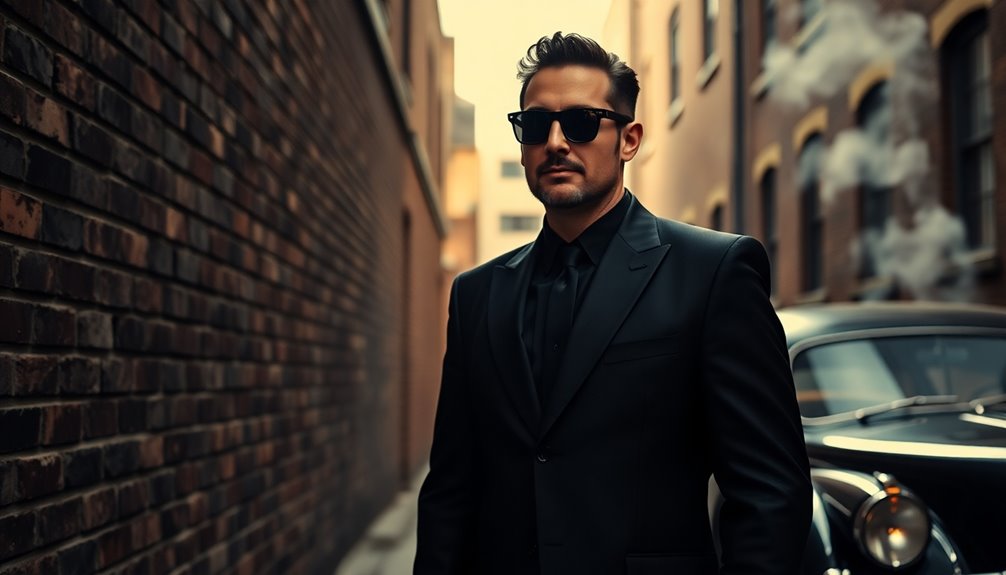
In *Good Omens*, Crowley, originally Crawly, serves as a demon with a unique twist. Unlike typical portrayals of evil, Crowley enjoys life on Earth, driving a vintage Bentley and engaging in philosophical discussions with his angelic counterpart, Aziraphale.
His character embodies moral ambiguity; he often performs acts that seem good, challenging the notions of what it means to be a demon. You’ll find him witty and sharp, highlighting the absurdity of the cosmic battles between Heaven and Hell.
Despite his demonic nature, Crowley shows empathy and a nuanced understanding of human behavior, making him one of the most compelling characters. He defies expectations, proving that good and evil aren’t always black and white. His dynamic relationship with Aziraphale mirrors the complex relationships found in works like *Gone Girl*.
The Evolution of Crowley: From Crawly to Demon
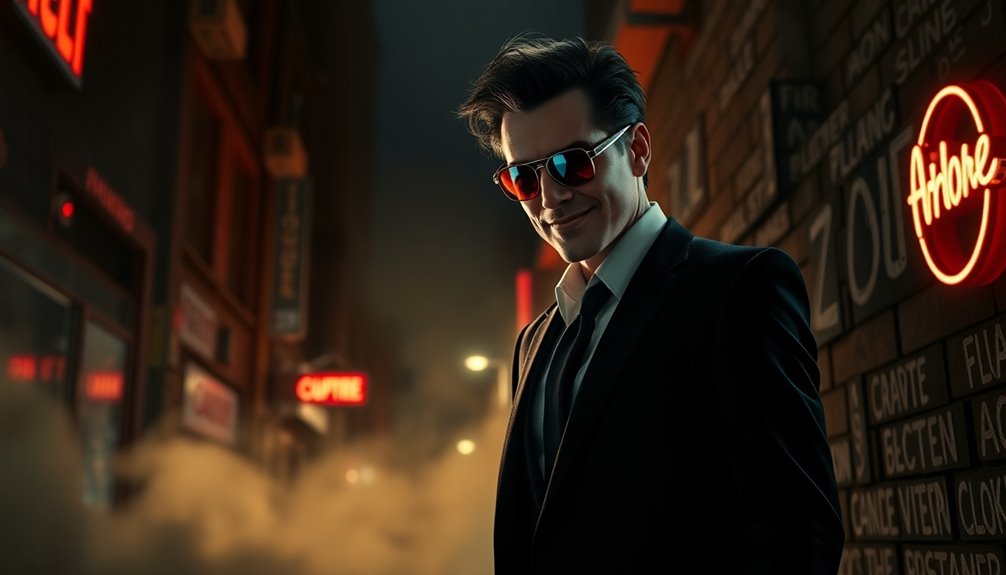
As you explore Crowley’s transformation from Crawly to a full-fledged demon, consider how his name change reflects deeper themes of identity.
You’ll notice his character design evolves alongside his moral complexities, highlighting the tension between good and evil.
This journey invites you to question the nature of morality and the shades of gray that define Crowley’s existence. Additionally, his struggle against systemic racism mirrors Bigger Thomas’s experiences, emphasizing how societal forces shape individual identity and choices.
Name Change Significance
The evolution of Crowley’s name from Crawly to Crowley is a fascinating reflection of his character’s journey. This change marks a shift from a simple tempter to a multifaceted being, representing a deeper connection to humanity and the complexities of good and evil.
It also emphasizes the theme of identity in *Good Omens*. Consider these aspects:
- Crawly as a serpent, embodying temptation.
- Crowley’s moral ambiguity, showcasing complexity.
- His journey toward understanding humanity.
- A name that influences perception and character growth.
Through this transformation, Crowley emerges not just as a demon but as a character who often embodies traits traditionally associated with goodness, illustrating the nuanced nature of identity in the cosmic order.
Character Design Evolution
While Crowley’s origins as Crawly rooted him firmly in temptation, his character design evolved markedly to reflect his intricate personality. Initially depicted as a serpent, Crowley soon embraced a stylish, vintage aesthetic, often seen in his classic Bentley. This transformation showcases his enjoyment of earthly pleasures and adds depth to his character.
As Crowley interacts with Aziraphale, you see a blend of mischief and empathy that challenges the typical demon stereotype. He embodies a duality, facilitating temptation while also becoming a reluctant ally against Armageddon. This evolution highlights the complexity of his nature, forcing you to ponder whether Crowley is ultimately good or bad, making him a fascinating figure in *Good Omens*.
Moral Ambiguity Exploration
Crowley’s evolution from Crawly, the serpent, to a complex demon reveals a fascinating exploration of moral ambiguity. You see him navigate the thin line between good and evil, especially in his interactions with Aziraphale.
Here are four vivid aspects of his character:
- The Serpent’s Temptation: Crawly’s initial role as the tempter showcases the duality of his nature.
- Earthly Pleasures: Crowley indulges in life’s luxuries, complicating traditional morality.
- Acts of Kindness: Reviving a dead dove highlights his unexpected empathy.
- Philosophical Struggles: His manipulations reveal a constant questioning of his own moral standing.
Through Crowley, we see that even a demon can embody traits of compassion, challenging the binary classification of good versus evil.
Crowley’s Complex Friendship With Aziraphale

Crowley and Aziraphale’s friendship reveals a fascinating clash of moral perspectives, where each challenges the other’s beliefs while finding common ground.
You’ll see how Crowley’s empathy balances Aziraphale’s detachment, creating a unique dynamic that defies typical angel-demon stereotypes. This cosmic partnership highlights the intricate interplay of their roles as they navigate their shared goal of preventing Armageddon, echoing the ethical questions surrounding informed consent seen in historical narratives.
Contrasting Moral Perspectives
Even as you explore their dynamic, you’ll find that Crowley and Aziraphale’s friendship is a fascinating study in contrasting moral perspectives.
Aziraphale embodies idealism, while Crowley challenges that view, often blurring the lines between good and fundamentally bad. Their interactions reveal:
- Philosophical debates about the nature of good and evil.
- Crowley’s empathy, shown when he saves a dead dove.
- Aziraphale’s detachment, reflecting his angelic demeanor.
- Moments of vulnerability, where Crowley hints at deeper feelings.
This complex friendship highlights how both characters navigate a world filled with moral ambiguity, showcasing a profound respect for one another despite their differing views on morality and the divine.
2. Empathy and Understanding
Empathy serves as the foundation of the complex friendship between Crowley and Aziraphale, revealing the depth of their connection amid contrasting worldviews.
Despite their philosophical debates, you see how Crowley’s empathy shines through, especially when he shows concern for human suffering. This stands in stark contrast to Aziraphale’s sometimes callous demeanor toward humanity.
Their bond, marked by mutual respect and understanding, allows them to collaborate to prevent Armageddon, despite their opposing natures.
Crowley’s actions, like saving a dead dove, illustrate his deep understanding of human emotions and moral ambiguity.
This dynamic emphasizes how their friendship helps navigate the complexities of good, evil, and individual choice, reminding you that empathy and understanding can bridge even the widest divides.
3. Cosmic Balance and Friendship
While traversing the cosmic intricacies of good and evil, the friendship between Crowley and Aziraphale emerges as a fascinating blend of rivalry and camaraderie. Their relationship embodies the balance of light and dark, showcasing how opposites can attract and complement each other.
- Crowley’s mischievous smile, hinting at his devil-may-care attitude.
- Aziraphale’s thoughtful gaze, reflecting his deep moral ponderings.
- The tender moment when Crowley saves the dead dove, revealing his kindness.
- Their playful debates, filled with laughter and philosophical insights.
This unique friendship not only highlights their differences but also emphasizes mutual respect.
As they navigate the moral ambiguities of their roles, you see how their bond enriches both characters, reminding us that friendship can bridge even the widest cosmic divides.
Exploring Themes of Free Will and Predestination
As Crowley navigates his existence as a demon, he wrestles with the tension between free will and predestination, often feeling trapped by his inherent nature.
While he’s bound to his demonic role, he cleverly manipulates situations to pursue his desires, highlighting the complexity of choice. The narrative suggests that even amid a cosmic plan, characters like you can shape outcomes through your decisions.
Crowley’s philosophical debates with Aziraphale reveal that moral dilemmas arise independently of divine influence. This interplay shows that good and evil coexist within individuals, challenging simplistic views.
Ultimately, themes of free will and predestination intertwine, asserting that, despite prophecies, your agency remains vital in the grand scheme of things. This complexity mirrors Bigger Thomas’s struggle in Richard Wright’s *Native Son*, where systemic racism profoundly influences choices and outcomes.
Crowley’s Moral Ambiguity: Good vs. Evil
Crowley’s existence challenges the very notion of good and evil, revealing a moral landscape where intentions matter more than labels. His moral ambiguity invites you to reconsider your definitions of right and wrong.
- A demon saving a dead dove—a symbol of his unexpected kindness.
- Manipulating fate to achieve benevolent outcomes, showcasing his complex morality.
- Friendship with Aziraphale, blurring the lines between angelic and demonic behavior.
- Critiques of Heaven’s rigid morals, exposing empathy for human flaws.
Through these actions, Crowley embodies the gray areas of morality, illustrating that good vs. evil isn’t always black and white. His character beckons you to explore deeper questions about the nature of morality itself, much like the mythical creatures that challenge protagonists to confront their fears and grow.
Instances of Kindness: Crowley’s Compassionate Acts
Crowley surprises you with his unexpected acts of kindness that reveal a softer side hidden beneath his demonic facade.
He builds subtle connections with humans, showcasing empathy and understanding that often contrasts with celestial indifference.
Through these moments, you see how his compassion shapes his interactions and influences the world around him. This complexity mirrors the fragility of moral order seen in Golding’s *Lord of the Flies*, where the breakdown of societal norms reveals the darkness within humanity.
Unexpected Acts of Kindness
While many expect demons to embody cruelty and malice, Crowley surprises everyone with his unexpected acts of kindness. His capacity for empathy shows that he’s not just a typical demon.
You might find him:
- Reviving a dead dove, illustrating his compassion.
- Critiquing Heaven’s coldness, aligning with human emotions.
- Minimizing harm during conflicts, reflecting his understanding of moral complexity.
- Building a genuine friendship with Aziraphale, recognizing goodness in others.
These moments blur the lines between good and evil, revealing Crowley’s unique blend of mischief and altruism.
His unexpected kindness challenges your perceptions, making you reconsider what it means to be a demon in a world filled with moral ambiguity.
Subtle Human Connections
Although demons typically evoke images of malice, Crowley’s actions reveal a surprising depth of compassion that often goes unnoticed. When Crowley comes across a dead dove, he revives it, showcasing his emotional connection to the fragility of life.
His critique of Heaven’s lack of mercy highlights his alignment with human beings, as he rebels against divine authority to protect their interests. Crowley’s friendship with Aziraphale further blurs the lines between good and evil, revealing moments of kindness that challenge traditional notions.
Additionally, his efforts to minimize harm during dealings with humans illustrate that even a demon can embody empathy. These instances of compassion demonstrate that Crowley’s character is far more complex than mere malice.
Crowley’s Wit: Humor in the Face of Armageddon
Amidst the chaos of impending Armageddon, Crowley’s sharp wit shines as a beacon of humor. His clever remarks often punctuate tense moments, reminding you that laughter can coexist with dread. You can’t help but appreciate:
- His sardonic quips about divine plans that seem utterly futile.
- The irony in his critiques of good and evil, revealing deep moral complexities.
- The mischief in his eyes as he navigates the absurdity of both Heaven and Hell.
- His impeccable comedic timing that transforms impending doom into relatable banter.
With a blend of mischief and dark comedy, Crowley challenges you to see the humor in despair, proving that even a demon can wield wit in the face of Armageddon. Moreover, his dark humor mirrors the complex character dynamics found in psychological thrillers, reminding us that laughter can often be a coping mechanism in dire situations.
The Significance of Crowley’s Bentley: A Symbol of Rebellion
Crowley’s vintage Bentley isn’t just a car; it’s a bold declaration of his rebellion against the divine order. This classic vehicle embodies his love for earthly pleasures and individuality, showcasing the unique blend of charm and mischief that defines him.
Whenever you see Crowley cruising in his Bentley, it’s clear he’s maneuvering through the complexities of human life, reinforcing his connection to humanity. The car symbolizes his defiance of Heaven’s expectations, as he embraces joy and freedom rather than conforming to traditional demonic roles.
In a world filled with moral ambiguity, Crowley’s Bentley stands out as a tangible representation of his personal agency and rejection of predestination, making it an essential element in understanding his character and motivations. This mirrors Tita’s struggle for emotional expression, highlighting how both characters navigate their desires amidst societal constraints.
How Does Crowley Challenge Traditional Notions of Evil?
While many assume demons are purely embodiments of evil, Crowley challenges this notion by showcasing kindness and empathy in unexpected moments. His character bends traditional views, revealing that good and evil coexist in everyone.
Crowley transcends typical demon stereotypes, illustrating that kindness and complexity exist within all beings, blurring the lines of good and evil.
Consider these vivid examples:
- Crowley saves a dove from harm, showing compassion.
- He minimizes chaos during apocalyptic events, revealing his softer side.
- His sharp wit and humor make him relatable, unlike typical portrayals of evil.
- Philosophical chats with Aziraphale explore moral ambiguity, emphasizing that choices define character.
Furthermore, his interactions mirror the moral ambiguity found in literary works like “The Secret History,” inviting deeper reflections on the nature of good and evil.
Reflecting on Crowley’s Impact on Humanity’s Choices
Although demons are often seen as symbols of malice, Crowley’s actions reveal a deeper understanding of humanity’s moral complexities. He showcases that good and evil coexist within us, highlighting the importance of moral dilemmas in our lives.
By saving a dove, he demonstrates empathy, challenging the stereotype of malevolent demons. Crowley firmly believes in free will, often manipulating situations to promote outcomes beneficial to humanity rather than contributing to evil.
His philosophical discussions with Aziraphale prompt you to confront your ethical choices, emphasizing that each decision shapes your destiny. By critiquing Heaven’s lack of mercy, Crowley encourages a rebellion against predetermined outcomes, advocating for the power of choice in traversing the complexities of existence. This mirrors the resilience of black communities as highlighted by Ta-Nehisi Coates, showcasing the strength found in confronting systemic injustices.
Conclusion
In “Good Omens,” Crowley captures your curiosity with his clever charisma and charming chaos. This demon defies traditional definitions of evil, showcasing a striking struggle between good and bad. His witty banter and rebellious ride in that iconic Bentley not only entertain but also encourage you to reflect on free will versus fate. Ultimately, Crowley’s complex character challenges you to reconsider the choices that shape humanity, leaving you pondering the profound possibilities of morality.