

In *Of Mice and Men*, George and Lennie’s bond showcases a tragic brotherhood shaped by loyalty and dreams amid the harsh realities of the Great Depression. Their shared aspiration of owning land symbolizes hope, while Lennie’s fragility complicates their relationship, leading to heartbreaking decisions. George’s protective instincts shine through, even as societal pressures weigh heavily on them. This poignant connection highlights the significance of companionship in a lonely world, and there’s much more to uncover about their struggles.
The Foundation of George and Lennie’s Relationship

Their dream of owning a piece of land symbolizes their bond and hope amid the harsh realities of their itinerant lifestyle. George frequently reassures Lennie of his importance, saying, “I want you to stay with me,” which deepens their friendship and highlights their brotherhood.
This dynamic showcases their interdependence—Lennie’s innocence and strength balance George’s intelligence and protective nature. In a world filled with loneliness, their companionship stands out, emphasizing the significance of friendship during the isolating conditions of the Great Depression. Additionally, their relationship reflects the broader theme of dignity as a fundamental concept in the face of societal challenges.
The Role of Loyalty in Their Brotherhood

Loyalty serves as the backbone of George and Lennie’s brotherhood, shaping their lives in a world filled with uncertainty.
George’s unwavering loyalty defines their relationship, as he vows to care for Lennie after Aunt Clara’s death, often affirming their bond with heartfelt phrases like, “I want you to stay with me.”
George’s steadfast loyalty to Lennie embodies their deep bond, promising care and companionship in a harsh, uncertain world.
Even when Lennie makes mistakes, such as the incident in Weed, George remains dedicated to protecting him. This loyalty highlights the theme of brotherhood, providing a sense of belonging amid their transient lifestyle.
However, it also creates emotional conflict for George, especially when he faces the heartbreaking decision to end Lennie’s life for his protection.
Their loyalty starkly contrasts with the isolation felt by others on the ranch. Furthermore, like Jefferson in *A Lesson Before Dying*, their bond illustrates the struggle for dignity amid systemic discrimination.
The Shared Dream: Symbol of Hope and Connection
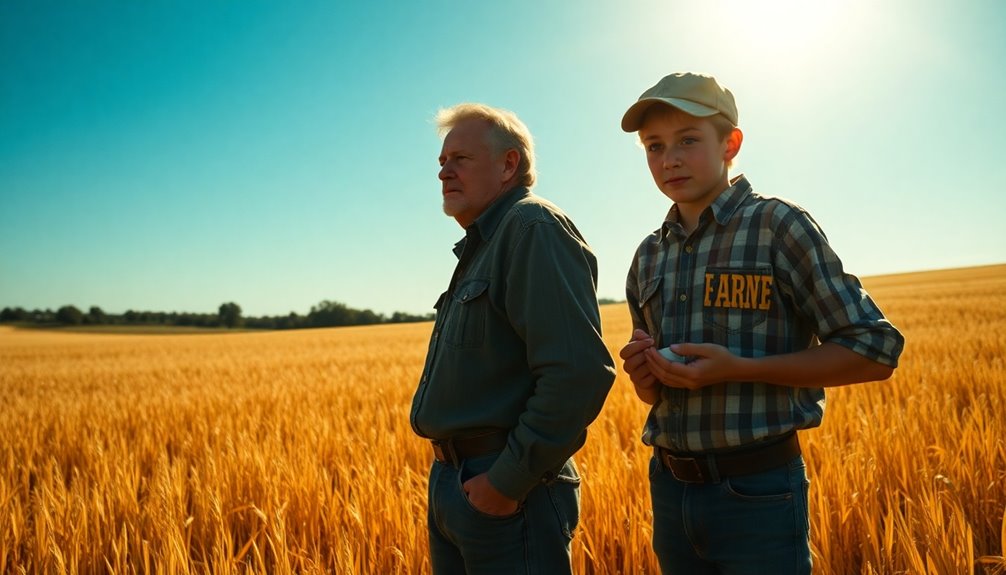
Amid the challenges of their transient lives, George and Lennie share a dream that becomes a beacon of hope. This shared dream of owning land symbolizes their desire for security and belonging in a world that often feels harsh and isolating.
It creates a crucial connection between them, allowing both to escape their bleak reality, even if just for a moment. Lennie’s innocent belief in their future contrasts with the skepticism of others on the ranch, highlighting his unwavering hope.
Their discussions, especially Lennie’s excitement about tending rabbits, reveal the fragility of their aspirations. Ultimately, this dream embodies their bond but also underscores the harsh truth that achieving the American Dream is nearly impossible for marginalized individuals like them. This struggle for dignity and connection mirrors the experiences of characters in Steinbeck’s work, emphasizing the universal nature of their plight.
The Impact of Isolation on Their Lives
While maneuvering through the harsh realities of the Great Depression, George and Lennie’s bond becomes a lifeline against the isolation that defines their lives as itinerant workers.
Their shared experience of loneliness fosters a deep reliance on one another for emotional support, setting them apart from others like Crooks and Candy, who yearn for connection.
George’s protective instincts and Lennie’s mental challenges highlight their vulnerability in a world where most men face isolation alone.
This pervasive loneliness drives characters like Curley’s wife to seek interaction, often leading to destructive consequences.
Steinbeck illustrates that George and Lennie cling to their shared dream not just for hope, but as a shield against the isolation that threatens to engulf them both. Their plight echoes the themes of systemic racism and poverty found in other narratives, showcasing how societal forces shape individual destinies.
Lennie’s Fragility and Its Consequences
Lennie’s fragility shapes his life in profound ways, leading to unintended harm from his innocent actions. You see how his dependence on George complicates their bond, as George struggles to protect him in a harsh world. This reality exposes the dangers of Lennie’s innocence, revealing just how vulnerable he truly is. This dynamic mirrors the systemic oppression faced by marginalized individuals, as both Lennie and Bigger Thomas navigate the limitations imposed by a prejudiced society.
Unintended Harm From Innocence
In a world that often punishes innocence, Lennie’s desire to touch soft things reveals the tragic consequences of his fragility. His innocent urge leads to devastating outcomes, like when he accidentally kills Curley’s wife while trying to stroke her hair.
Lennie’s lack of understanding of his own strength turns innocent interactions into catastrophes, as seen in Weed, where his actions are misinterpreted, resulting in severe consequences. This vulnerability highlights the tragic end that awaits him.
Steinbeck paints Lennie as a character whose innocence becomes a source of harm, affecting both himself and those around him. Ultimately, Lennie’s inability to grasp the repercussions of his actions underscores the harsh realities of a predatory world, sealing his tragic fate.
Dependence on George
The bond between George and Lennie reveals the depths of dependence that shape their relationship. Lennie relies heavily on George for guidance and protection, as shown when George reassures him, “I want you to stay with me.” This constant need highlights Lennie’s fragility in a cruel world.
His lack of awareness about his own strength often leads to unintended harm, like the incident in Weed that forces them to flee. George embodies the caretaker role, grappling with the burden of responsibility for Lennie’s actions.
While Lennie’s innocence draws you in, it also creates a tragic dynamic, where his desire for soft things leads to devastating consequences. George’s struggle between care and freedom ultimately defines their tragic brotherhood.
Harsh Reality of Fragility
While traversing a world filled with harsh realities, Lennie’s fragility becomes painfully evident. His lack of understanding about his own strength leads to unintentional harm, like the incident in Weed, where his innocent desire to touch soft things turns disastrous. This highlights his vulnerability in a world that often punishes innocence.
Lennie’s dependence on George underscores the imbalance in their relationship, as George must constantly protect him. The tragic consequences of Lennie’s fragility culminate in the accidental death of Curley’s wife, sealing his fate and forcing George into a heart-wrenching decision.
Steinbeck masterfully portrays Lennie and George as symbols of those who struggle against the cruel nature of society, showcasing how ignorance and misunderstanding can lead to tragic outcomes.
George’s Protective Nature: A Double-Edged Sword
George’s unwavering loyalty to Lennie embodies the essence of brotherhood, revealing both strength and vulnerability.
After Aunt Clara’s death, you see how George steps up as Lennie’s caretaker, driven by a profound sense of responsibility. His commitment showcases a bond filled with protection and reassurance, even when Lennie’s mistakes threaten their fragile existence.
Yet, this protective nature becomes a double-edged sword. While it offers a sense of belonging in their transient life, it also burdens George with emotional strain.
This protective bond, while fostering belonging, weighs heavily on George, entwining love with emotional strain.
The weight of his love for Lennie complicates their reality, leading to heart-wrenching decisions. In a world defined by harshness, George’s instincts highlight the thin line between caring and the tragic choices it can force upon him. This dynamic mirrors the themes of resilience and ambition found in *The Pillars of the Earth*, where characters confront personal and societal challenges throughout their journeys.
The Ethical Dilemma: George’s Final Decision?
As George faces the unimaginable choice of ending Lennie’s life, he grapples with a profound ethical dilemma that tests the boundaries of love and loyalty. He believes that killing Lennie is a mercy, sparing him from a brutal fate at the hands of an angry mob.
This decision reflects George’s internal struggle, caught between his deep love for Lennie and the harsh realities of their world. Slim supports George’s choice, emphasizing that it’s the only humane option given the circumstances.
Ultimately, George’s act embodies the theme of brotherhood, revealing how his protective instincts lead to a tragic sacrifice. This moment serves as a poignant commentary on the ethical dilemmas faced by individuals endeavoring to survive in a cruel socio-economic landscape, much like the systemic racism that shapes the lives of characters in *A Lesson Before Dying*.
The Role of Society in Their Tragic Fate
The tragic fate of George and Lennie is deeply rooted in the societal backdrop of the Great Depression, a time when desperation loomed over the lives of migrant workers. Within this societal context, George struggles to protect Lennie from the rigid social hierarchy and the racial discrimination that permeates the ranch.
Their bond, forged in fear of loneliness, feels fragile under societal norms that discourage emotional expressions among men. Curley’s aggression reflects the expectation for dominance, ultimately leading to Lennie’s downfall.
Similarly, Crooks’ isolation highlights how systemic injustices contribute to a pervasive sense of hopelessness. These societal pressures not only shape their struggles but also seal their tragic fate, leaving them vulnerable in an unforgiving world. The characters’ internal struggles emphasize how societal expectations can distort personal identities and relationships.
Moments of Joy Amidst Despair: Finding Light
In the midst of their struggles, you see George and Lennie find joy in simple pleasures, like the beauty of nature and their shared dreams.
Their laughter and playful moments create a brief escape from the harsh realities they face.
These flashes of happiness remind you that even in despair, hope can still shine through. Additionally, their bond mirrors the power of friendship highlighted in stories of resilience, emphasizing the importance of connection in turbulent times.
Simple Pleasures In Nature
Moments spent in nature breathe life into George and Lennie’s otherwise bleak existence. As they sit by the river, surrounded by the serene beauty of their Eden-like paradise, you can feel the weight of the world lift off their shoulders.
In these fleeting moments, they find simple pleasures, like dreaming about their future farm and tending to rabbits. This natural setting strengthens their bond, offering them a sense of freedom and connection that starkly contrasts with the harsh realities of the ranch.
Recounting their dreams while resting in this tranquil environment serves as a temporary escape, reminding you of the importance of hope and companionship. Nature, in its quiet beauty, becomes a backdrop for their fleeting happiness amid despair.
Shared Dreams And Laughter
When they laugh and tell stories about tending to rabbits, it provides a refuge from the loneliness and despair surrounding them. In contrast to the isolation faced by characters like Crooks and Candy, George and Lennie’s bond allows them to find light in each other’s company.
Instances of Lennie’s innocent misunderstandings spark humor, highlighting the warmth of their friendship. Despite the oppressive environment, these fleeting moments of joy and laughter offer them comfort and connection in their bleak existence.
Reflections on Brotherhood in a Harsh World
While the harsh realities of the Great Depression isolate many itinerant workers, George and Lennie’s bond shines as a powerful symbol of brotherhood. Their companionship offers a rare refuge from loneliness, revealing how deep connections can provide hope in bleak circumstances.
Consider these aspects of their relationship:
- Shared Dream: George and Lennie’s aspiration to own land represents unity in a fragmented world.
- Protective Nature: George’s loyalty towards Lennie, especially after Aunt Clara’s death, emphasizes his role as caretaker.
- Tragic Reality: The heartbreaking end of their bond illustrates how love and responsibility can lead to devastating choices.
Through their journey, Steinbeck critiques a society that often leaves individuals vulnerable, underscoring the crucial importance of companionship amidst adversity. The fragility of their bond echoes the theme of memory and loss, reflecting how relationships can be both a source of strength and sorrow.
Conclusion
In a world where dreams crumble like dust and isolation wraps around you like a thick fog, George and Lennie’s bond shines like a thousand suns. Their tragic brotherhood, forged in loyalty and hope, reminds you that even in the darkest times, a flicker of light can ignite the spirit. As you reflect on their story, you can’t help but feel that true friendship can conquer even the most monstrous of challenges—if only it were that simple, right?