

*The Shawshank Redemption* isn’t based on a true story, but it draws heavily from real-life prison experiences and injustices. Its themes of hope and resilience resonate with countless wrongful conviction cases and the struggles faced by inmates. While inspired by Stephen King’s writing, the film’s portrayal of the prison system reflects systemic corruption and the emotional toll on inmates. If you’re curious about how its narrative connects to real events, there’s much more to discover.
The Real-Life Inspiration Behind Shawshank Redemption

Through Andy Dufresne’s journey, the film sheds light on wrongful convictions, highlighting the emotional turmoil faced by victims and their families. It also exposes the corruption within the prison system, echoing real-world issues such as contraband smuggling and abuse reported across U.S. correctional facilities. This cinematic reflection of reality strikes a chord, as it mirrors the struggles of over four million inmates who’ve endured violence while incarcerated. Notably, the film reflects broader implications of systemic injustice, inviting you to question the integrity of a flawed justice system.
What Is the Story of Frank Freshwaters?

- In 1957, Frank Freshwaters pled guilty to voluntary manslaughter after a tragic accident claimed a pedestrian’s life.
- He received a suspended sentence but was later imprisoned at the Ohio State Reformatory.
- Freshwaters escaped in 1959, forming relationships with prison staff and living under the alias William Harold Cox in Florida for nearly 58 years.
- Captured in 2015 after a cold case investigation, he was paroled in 2016, raising questions about the fairness of incarcerating elderly individuals with long, crime-free lives post-escape.
- His story echoes themes of systemic oppression that influence discussions about justice and rehabilitation in contemporary society.
How Does Shawshank Redemption Reflect Real Prison Experiences?
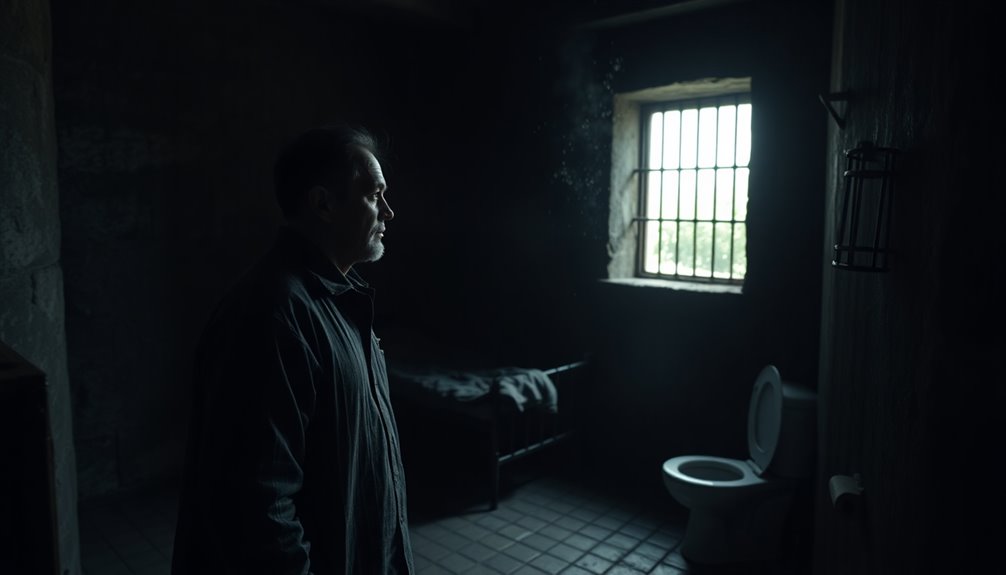
In “The Shawshank Redemption,” you see the harsh realities of incarceration, from rampant violence to corruption that mirrors real prison systems.
The film doesn’t shy away from tough topics like abuse, making you confront the dark side of justice. Additionally, the themes of collective action in the face of adversity resonate with the struggles of individuals seeking hope and resilience in dire circumstances.
Incarceration Realities Explored
While watching “The Shawshank Redemption,” you can’t help but notice how it captures the harsh realities of prison life. The film explores themes that resonate with real-world experiences, highlighting:
- The emotional and physical abuse faced by inmates, reflecting the grim statistics of prison violence.
- Wrongful convictions, akin to real cases like the Central Park Five, exposing flaws in the justice system.
- The camaraderie among prisoners, showcasing essential human connections that help them cope with the dehumanizing environment.
- The impact of corruption, illustrating how misconduct among officials can exacerbate the struggles of incarceration.
Through these elements, the film powerfully reflects the unsettling truths of life behind bars.
Corruption Within Prison Systems
Corruption permeates the prison system in “The Shawshank Redemption,” illustrating how it can poison the lives of inmates. Warden Norton’s money-laundering scheme is a stark reminder of real-life misconduct among prison guards, where exploitation and abuse can thrive unchecked.
The film shows how wrongly convicted individuals often endure not just loss of freedom, but also systemic corruption that exacerbates their suffering. Reports reveal that millions of inmates face brutal realities, including violence and exploitation, mirroring the film’s darker themes.
While Shawshank highlights the camaraderie among inmates, it also underscores the isolation and inhumane treatment prevalent in actual prisons. This contrast emphasizes the psychological toll of incarceration, revealing the grim truth behind the prison system’s facade.
Differences Between Fiction and Reality in the Film
Although “The Shawshank Redemption” captivates audiences with its gripping narrative, it diverges considerably from reality in key aspects. While the film reflects themes of wrongful convictions and prison corruption, it remains a fictional tale.
“The Shawshank Redemption” enthralls viewers with its powerful story, yet it ultimately remains a fictional representation of prison life.
Here are some significant differences:
- Andy Dufresne’s escape, though inspired by real events, exaggerates details like crawling through sewage.
- Frank Freshwaters, a real-life escapee, pled guilty to manslaughter, unlike Andy, who was wrongfully convicted.
- The film highlights severe issues, such as prison violence, adding authenticity but not always accuracy.
- The portrayal of trust-building with prison staff mirrors reality, yet it’s dramatized for effect.
In essence, while “The Shawshank Redemption” touches on real issues, it’s ultimately a crafted narrative rather than a true story. Additionally, the film’s exploration of wrongful convictions resonates with the complexity found in mystery novels like “Gone Girl.”
Key Themes of Hope and Resilience in Shawshank
In “The Shawshank Redemption,” hope and resilience emerge as powerful themes that resonate deeply with viewers. Andy Dufresne’s unwavering hope illustrates that perseverance can lead to freedom and redemption, even in the bleakest circumstances. His meticulous planning over nearly two decades exemplifies the importance of maintaining a long-term vision.
Meanwhile, the friendship between Andy and Red highlights resilience against adversity, showing how human connection can provide strength amidst overwhelming challenges. The iconic scene featuring “The Marriage of Figaro” symbolizes the transcendence of the human spirit, reinforcing that beauty can exist even in confinement.
Ultimately, the film portrays that true redemption comes from within, as both characters find personal salvation through hope and resilience, leading to their renewed sense of purpose. This theme resonates with the way ghost story authors, such as Stephen King, explore human emotions to reveal deeper truths about the human experience.
Examining the Characters: Are They Based on Real People?
When you watch The Shawshank Redemption, you might wonder if the characters are based on real people.
While Andy Dufresne isn’t modeled after anyone specific, his story reflects the struggles of many wrongfully convicted individuals. On the other hand, Red’s character draws from various inmates, highlighting real experiences within the prison system. The narrative also echoes the broader themes of systemic injustice, which resonate with those affected by wrongful convictions.
Real-Life Inspirations
- Andy Dufresne’s wrongful imprisonment parallels cases like the Central Park 5.
- Frank Freshwaters’ escape mirrors Andy’s relationship with prison staff.
- The film highlights systemic corruption, supported by statistics showing over four million inmates report abuse.
- Themes of hope and redemption resonate with countless narratives of incarceration throughout history.
Stephen King’s novella captures these realities, reminding us that while Shawshank is fictional, its themes strike a chord with the struggles many have endured in real life.
Character Parallels in Film
While “The Shawshank Redemption” is a work of fiction, many characters reflect the experiences of real people caught in the web of wrongful convictions and harsh prison life.
Andy Dufresne’s story parallels the harrowing tales of individuals like Rubin Carter and the Central Park Five, who faced similar injustices. His journey highlights the resilience of those wrongly imprisoned.
On the other hand, Ellis “Red” Redding embodies the spirit of real-life inmates who’ve become mentors, offering wisdom and support in brutal environments.
The film beautifully captures how friendships form in dire circumstances, mirroring the bonds many inmates create to cope with the psychological toll of incarceration.
These character parallels resonate deeply with the universal themes of resilience and redemption.
The Role of Corruption in Shawshank and Real Life
Corruption plays a pivotal role in *The Shawshank Redemption*, revealing how prison officials, particularly Warden Norton, exploit their power for personal gain. This mirrors real-life issues within the prison system, where corruption can have dire consequences for inmates.
Consider these points:
- Corrupt officials often facilitate contraband smuggling, enriching themselves while endangering inmate safety.
- Historical scandals, like those at Rikers Island, show that these issues aren’t fictional but a stark reality.
- Research links corruption in correctional facilities to increased violence and abuse among inmates.
- Reports, like the 2011 Human Rights Watch findings, highlight systemic corruption and its impact on prisoner welfare.
Additionally, the systemic racism and poverty highlighted in *Native Son* further complicates the lives of inmates trapped in corrupt environments.
The film effectively captures these harsh truths, making its portrayal both compelling and relevant.
What Legal Issues Does Shawshank Highlight?
The film reveals the emotional and psychological toll of incarceration, emphasizing the challenges of rehabilitation versus mere punishment. It highlights systemic corruption and abuse, reflecting grim statistics on inmate experiences, like the alarming rates of sexual violence.
Additionally, Andy’s journey questions the prison system’s ability to reform individuals, underscoring the importance of justice and the dire consequences of wrongful imprisonment. This narrative pushes you to think critically about the flaws in our legal system and its impact on lives, similar to the systemic discrimination highlighted in *A Lesson Before Dying*.
How Accurate Is the Portrayal of Prison Life?
In “The Shawshank Redemption,” you’ll see a raw portrayal of prison life that highlights brutality and corruption, reflecting real issues faced by inmates. It also sheds light on the critical role of inmate relationships for survival and support. While the film captures the harsh realities of incarceration, it raises important questions about rehabilitation efforts within the system, drawing parallels to the systemic violence and systemic injustice faced by marginalized communities.
Brutality and Corruption
While many films romanticize prison life, “The Shawshank Redemption” starkly reveals the brutality and corruption that often define the experience. You witness firsthand the harsh realities inmates face, including:
- Widespread Violence: High rates of violence and abuse from both guards and fellow inmates are common.
- Corruption: The film mirrors real-life corruption, like contraband smuggling, exemplified by Warden Norton’s character.
- Sexual Assault: Over four million inmates have reportedly faced sexual assault, a grim reality subtly addressed in the narrative.
- Psychological Impact: Andy’s struggles illustrate the severe mental health issues stemming from long-term incarceration.
Through these elements, the film brings to light the dehumanization many inmates endure while also highlighting their search for dignity.
2. Rehabilitation Efforts
Though many films gloss over the realities of prison life, “The Shawshank Redemption” effectively highlights the complexities of rehabilitation efforts within the penal system. You see how Andy Dufresne’s long-term planning symbolizes hope and resilience, mirroring actual inmate experiences.
The film doesn’t shy away from portraying the brutalities of incarceration, yet it emphasizes the importance of camaraderie, as shown through Andy and Red Redding’s friendship. This connection helps inmates cope with psychological struggles, highlighting a vital aspect of rehabilitation.
Moreover, the themes of redemption challenge conventional views of the prison system, sparking discussions on the effectiveness of reform and the possibility of successful reintegration into society. Overall, it presents a nuanced view of rehabilitation behind bars.
3. Inmate Relationships
When exploring the portrayal of inmate relationships in “The Shawshank Redemption,” you’ll find that the film strikingly captures the essence of camaraderie forged in the harshest environments.
The deep bond between Andy Dufresne and Ellis Red Redding illustrates this beautifully. Here are some key aspects of inmate relationships depicted in the film:
- Trust is essential, as shown by Andy’s connections with both Red and the guards.
- Emotional support becomes important during incarceration, helping inmates cope with their struggles.
- The film doesn’t shy away from the brutal realities, including violence and manipulation.
- While fictional, the dynamics reflect real-life experiences of many inmates maneuvering prison life.
This authenticity makes the portrayal relatable and impactful.
The Impact of Wrongful Convictions in Shawshank and Beyond
The theme of wrongful convictions in “The Shawshank Redemption” serves as a powerful reminder of the systemic flaws in the judicial system that can lead to devastating consequences for innocent individuals.
Andy Dufresne’s experience highlights how such convictions can result in years of unjust imprisonment, reflecting real-life cases like the Central Park Five. The psychological toll on those wrongfully convicted is immense, often leading to long-term mental health issues.
With nearly 1 in 25 death row inmates facing wrongful convictions, the film resonates deeply with these realities. Andy’s struggles for justice illustrate the inadequacies in legal representation, underscoring the urgent need for advocacy groups like the Innocence Project, which work tirelessly to exonerate the innocent and address these troubling patterns. Furthermore, the narrative echoes Richard Wright’s exploration of systemic racism, illustrating how societal structures can perpetuate injustice and alienation.
Comparing Shawshank Redemption to Other True Stories
When you think about “The Shawshank Redemption,” it’s hard not to draw parallels with real-life escapes and wrongful convictions.
Stories like Joaquín “El Chapo” Guzmán’s daring escapes and the Central Park Five highlight the same themes of resilience and justice.
Plus, the film’s portrayal of prison corruption reflects troubling issues in the real-world system, making you wonder how closely fiction mirrors reality.
Real-Life Escapes
Although “The Shawshank Redemption” is a work of fiction, its portrayal of prison escapes resonates deeply with real-life stories of inmates who’ve gone to great lengths for freedom.
Consider these remarkable instances:
- Frank Freshwaters escaped from Ohio State Reformatory in 1959, highlighting the determination of real-life inmates.
- Joaquín “El Chapo” Guzmán’s elaborate tunnel dig showcases the extreme measures taken for freedom.
- The infamous 1962 Alcatraz escape involved meticulous planning, similar to Andy Dufresne’s 19-year effort at Shawshank State Penitentiary.
- Documented cases of corruption and contraband smuggling reveal the harsh realities of prison life, echoing themes from the film.
These true stories of prison escapes remind us that the quest for freedom often involves incredible resilience and ingenuity.
Wrongful Convictions Impact
In the gripping narrative of “The Shawshank Redemption,” themes of wrongful convictions stand out, reflecting real injustices faced by many individuals.
Take the Central Park Five, for instance; they were wrongfully convicted and later exonerated after enduring years behind bars.
Similarly, Rubin Carter’s fight against a wrongful murder conviction exposes failures in the justice system akin to Andy Dufresne’s struggles.
The Innocence Project highlights that over 375 people have been exonerated through DNA testing, shedding light on the alarming prevalence of wrongful convictions.
The National Registry of Exonerations shows that more than 1,500 individuals have regained their freedom since 1989.
These stories resonate deeply, revealing the harsh realities of wrongful imprisonment that “Shawshank” powerfully critiques.
Prison Corruption Cases
While the fictional world of “The Shawshank Redemption” captivates audiences, it also sheds light on the grim realities of prison corruption that echo through real-life cases.
You see, the film mirrors troubling incidents, including:
- The 2014 New York State prison scandal, where officials smuggled contraband and abused inmates.
- Allegations against the Arizona Department of Corrections in 2010, involving officers accepting bribes for drug trafficking.
- Frank Freshwaters’ escape, showcasing the complex dynamics of trust and corruption.
- The Central Park 5, a stark example of wrongful convictions and systemic failures.
These cases reveal how pervasive prison corruption can be, reflecting the brutal realities faced by characters like Andy Dufresne in Shawshank.
Why Do People Believe Shawshank Is Based on True Events?
Why do so many viewers believe *Shawshank Redemption* is based on true events? Many people draw parallels between its themes of wrongful imprisonment and real-life cases, like that of Frank Freshwaters, who escaped and lived under an alias for decades.
Many viewers see parallels between *Shawshank Redemption*’s themes and real-life wrongful imprisonment cases, enhancing its emotional impact.
The film’s depiction of prison corruption and the emotional struggles of inmates resonates with documented issues, such as high rates of wrongful convictions.
Stephen King’s novella, which inspired the film, explores the emotional complexities of incarceration, allowing audiences to connect deeply with the characters.
Additionally, the authentic portrayal of friendship and hope amidst dire circumstances mirrors real-life accounts, while Shawshank’s setting in the historic Ohio State Reformatory enhances its perceived realism, solidifying its impact on viewers.
The Influence of Stephen King’s Writing on the Narrative
Stephen King’s writing profoundly shapes the narrative of *The Shawshank Redemption*, making it resonate with audiences on multiple levels. His novella, “Rita Hayworth and Shawshank Redemption,” lays a rich foundation, showcasing complex human emotions amidst confinement and hope.
Key themes emerge, including:
- Resilience: Characters endure hardship, embodying tenacity.
- Friendship: The bond between Andy and Red illustrates deep connections.
- Moral Complexity: King explores ethical dilemmas, enhancing character depth.
- Redemptive Hope: The power of hope shines, reflecting a central theme in King’s broader work.
Frank Darabont’s adaptation honors King’s essence while ensuring cinematic engagement, allowing the themes to resonate profoundly with viewers.
How Shawshank Redemption Continues to Resonate Today
Even years after its release, *The Shawshank Redemption* continues to resonate with audiences because it taps into universal themes that are relevant today.
The film’s powerful messages about hope, redemption, and resilience speak to the human spirit, especially in discussions around the American prison system and rehabilitation. Its selection for preservation in the National Film Registry in 2015 highlights its cultural significance, while its consistent ranking among IMDb’s top films showcases its lasting impact.
The exploration of friendship and integrity adds emotional depth, making it a staple in film studies. Despite initial box office disappointment, its ongoing viewership on streaming platforms connects new generations, proving that its themes remain timeless and universally relatable.
Conclusion
Ultimately, while *Shawshank Redemption* isn’t based on a true story, its themes of hope and resilience resonate with countless real-life experiences. You can see how it reflects the struggles many face in the prison system, making it feel almost like a documentary at times. People connect with its message so deeply that it’s as if the film’s spirit is woven into the fabric of our collective consciousness, inspiring generations to never give up.