You’ll love “It was a dark and stormy night” because it perfectly encapsulates our fascination with bad openings. This phrase, rooted in Edward Bulwer-Lytton’s 1830 novel, became a literary cliché, blending humor and nostalgia. Bad writing defies norms and invites laughter, making us appreciate storytelling’s imperfections. Iconic authors play with this phrase, showcasing creativity in flawed writing. Curious about how these blunders can enhance your own writing? There’s more to explore about the charm of literary missteps.
The Origins of “It Was a Dark and Stormy Night
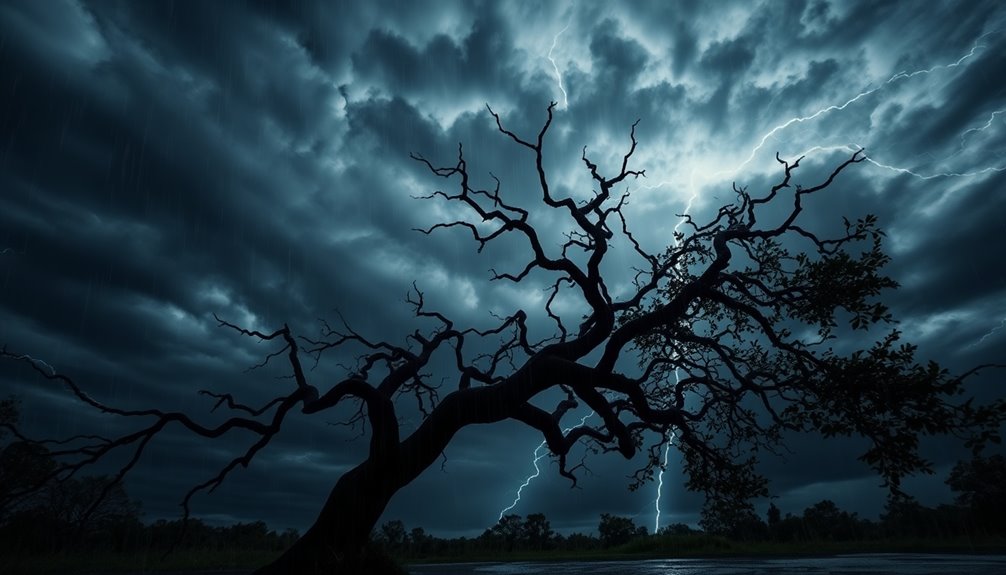
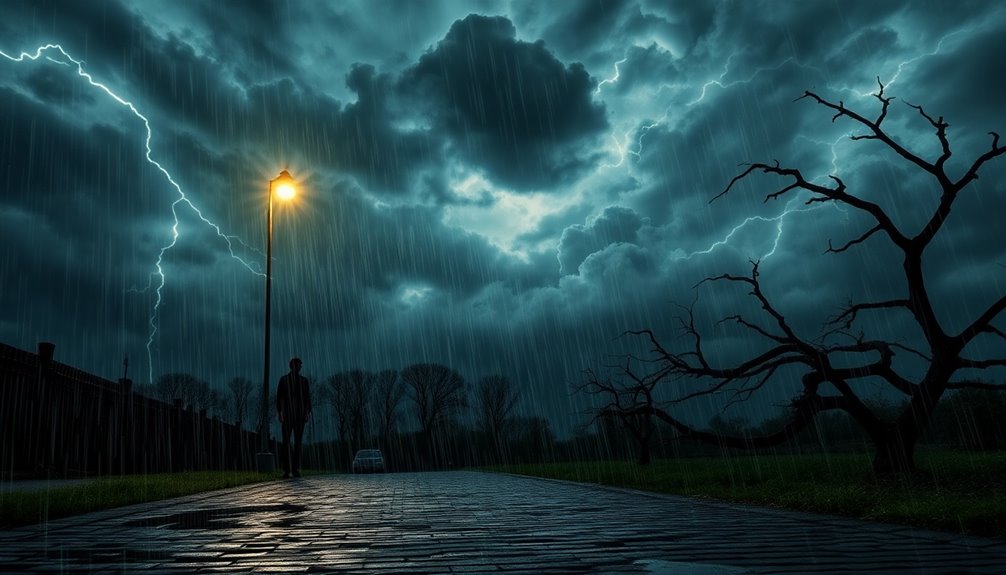
When you think of clichéd openings, “It was a dark and stormy night” likely springs to mind. This infamous line originates from Edward Bulwer-Lytton’s 1830 novel *Paul Clifford*, where it sets a dramatic tone.
Yet, it’s often criticized for its length and florid style, making it a prime example of ineffective storytelling. Its poor reputation has led to its inclusion in discussions about literary clichés.
Curiously, it inspired the annual Bulwer-Lytton Fiction Contest, which challenges writers to craft the worst possible opening lines.
Despite its negative connotations, the phrase has crept into popular culture, even appearing in Snoopy’s tales from *Peanuts*, showcasing its enduring impact on literature and humor. This phenomenon mirrors the concept of reflective writing, where even clichés can lead to deeper insights and understanding of narrative techniques.
Why Did This Phrase Become a Literary Cliché?
Clichés often arise from phrases that resonate too well, and “It was a dark and stormy night” is a prime example. Originating in Edward Bulwer-Lytton’s *Paul Clifford*, this phrase became synonymous with poor writing, criticized for its lack of originality and depth.
Its frequent use in various narratives has turned it into a literary trope, representing lazy writing that fails to engage readers effectively. The phrase’s cultural impact is significant, inspiring the Bulwer-Lytton Fiction Contest, which celebrates bad writing.
Curiously, some authors, like Madeleine L’Engle in *A Wrinkle in Time*, playfully use it, showcasing its versatility. Ultimately, this phrase’s journey from a novel to cliché reflects how language evolves and shapes our literary landscape. Additionally, many acclaimed mystery novels demonstrate the importance of strong openings to captivate readers immediately.
The Appeal of Bad Writing in Literature
Bad writing has a unique charm that draws readers in, often because it defies conventional storytelling norms.
Take “It was a dark and stormy night,” from Edward Bulwer-Lytton’s *Paul Clifford*. This phrase embodies bad writing, yet it’s become iconic, celebrated in contests that highlight atrocious openings.
You might chuckle as authors like Madeleine L’Engle and Terry Pratchett reference it, subverting expectations and poking fun at traditional tropes.
The appeal lies in its ability to spark conversation and critique literary standards while still engaging readers. Even as it’s criticized for lack of originality, the fascination with such clichés reveals our complex relationship with storytelling, where bad writing often leads to unexpected creativity and humor. This mirrors the enduring rivalry between characters like Kane and Abel, demonstrating how even flawed narratives can capture our imagination.
How Does Humor Enhance Our Appreciation of Flawed Openings?
Humor enhances our appreciation of flawed openings by transforming what might otherwise be dismissed into something memorable and engaging. Exaggerated and absurd scenarios often trigger laughter, making clichés feel fresh.
Take the Bulwer-Lytton Fiction Contest, for example; it celebrates bad writing by inviting humorous submissions, showcasing how flawed openings can spark creativity.
Works like *A Wrinkle in Time* cleverly reference “It was a dark and stormy night,” using humor to critique traditional storytelling. This playful mocking of clichés creates a shared cultural reference, fostering community engagement. Additionally, the concept of magical realism allows authors to creatively subvert expectations, inviting readers to embrace the beauty of imperfection in storytelling.
What Role Does Nostalgia Play in Enjoying Bad Openings?
Nostalgia plays a huge role in how you enjoy bad openings. When you hear “It was a dark and stormy night,” it might remind you of childhood reads that sparked your love for stories, bringing a smile to your face.
Plus, the humor in those clichés creates a comforting familiarity, connecting you to a rich literary tradition while inviting a playful critique of writing. This connection often mirrors the emotional depth found in female friendships explored in works like *Summer Sisters*.
Memory of Childhood Reads
Childhood memories often hold a special place in our hearts, especially when it comes to those early reads filled with melodramatic openings. Nostalgia plays a significant role in how you perceive bad openings, evoking fond memories of classic stories like *A Wrinkle in Time*.
The phrase “It was a dark and stormy night” likely brings back a wave of comfort and familiarity. When you encounter clichéd lines, you don’t just analyze their quality; you remember the joy of discovering them as a child.
Cultural references, like those from the Bulwer-Lytton Fiction Contest, tap into shared experiences, enhancing your enjoyment. This collective nostalgia celebrates the charm of literary missteps, reminding you why those bad openings still resonate today.
Humor in Clichés
Even when you roll your eyes at clichéd openings, there’s a certain charm that makes you chuckle. These phrases, like “It was a dark and stormy night,” evoke nostalgia, reminding you of classic literature’s melodramatic flair.
The humor often lies in their absurdity; you can’t help but laugh at the over-the-top nature of these tropes. Events like the Bulwer-Lytton Fiction Contest celebrate this bad writing, encouraging you to embrace and playfully distort clichés.
Familiar references in media, like *Peanuts* and *A Wrinkle in Time*, highlight how nostalgia enhances your enjoyment of these openings.
Ultimately, recognizing these literary tropes transforms them into lighthearted entertainment, allowing you to appreciate their flaws while sharing a laugh.
Famous Examples of Bad Openings Beyond Bulwer-Lytton
While many bad openings are famously linked to Bulwer-Lytton, numerous other examples captivate readers with their sheer absurdity.
Take Ken Aclin’s line about India hanging like a wet washcloth—it’s a deliberately bad opening that showcases humor in poor writing.
Ken Aclin’s comparison of India to a wet washcloth hilariously exemplifies the art of intentionally bad writing.
Then there’s Terry Pratchett’s *The Color of Magic*, where the opening sentence parodies clichés, turning a stormy night into a comedic setup.
Madeleine L’Engle’s *A Wrinkle in Time* cleverly nods to the cliché while creating a foreboding tone, proving that bad openings can engage through irony.
These examples highlight how writers play with language, inviting you to appreciate the charm in their failures and the enduring appeal of bad writing. Similarly, Ken Follett’s *The Pillars of the Earth* demonstrates how complex character arcs can elevate a narrative, even amidst less than stellar prose.
The Bulwer-Lytton Fiction Contest: Celebrating Bad Writing
The Bulwer-Lytton Fiction Contest started in 1982 to celebrate the art of terrible writing. You’ll find that its funniest entries not only poke fun at clichés but also engage a community that thrives on creativity and humor. Let’s explore how this quirky contest has become a beloved event for aspiring writers and fans alike, showcasing the complexities of marriage in a humorous light through its clever narratives.
Origins of the Contest
Established in 1982 at San Jose State University, the Bulwer-Lytton Fiction Contest invites writers to release their creativity by crafting deliberately bad opening lines. Inspired by Edward Bulwer-Lytton’s infamous phrase “It was a dark and stormy night” from his 1830 novel *Paul Clifford*, the contest celebrates the humorous side of bad writing.
Participants embrace the challenge, producing exaggerated prose that often leads to laughter. Since 1984, winning entries have been showcased in a paperback series, highlighting the art of crafting poor writing.
This playful event critiques clichés while encouraging literary experimentation, reminding us that even the worst lines can spark joy and creativity. So, why not join in and celebrate the fun of bad writing?
Notable Hilarious Entries
Ever wondered what makes a truly terrible opening line? The annual Bulwer-Lytton Fiction Contest showcases some of the most notable hilarious entries that’ll leave you in stitches. Participants embrace absurdity, crafting lines that are intentionally terrible.
Here are a few standout examples:
- Ken Aclin’s depiction of India as a “wet washcloth.”
- Bryan Semrow’s colorful image of Captain Burton at his ship’s bow.
- Entries overflowing with love, adventure, and whimsical scenarios.
- Elaborate descriptions that make you chuckle at their ridiculousness.
These lines, often set against a stormy night, celebrate the humor in bad writing, transforming clichés into comedic gold.
It’s a delightful reminder that creativity can thrive even in the domain of terrible prose!
Community Engagement and Fun
There’s something uniquely entertaining about a community that revels in the art of bad writing. The Bulwer-Lytton Fiction Contest invites you to embrace humor in crafting the worst possible opening lines.
Since 1982, participants have engaged in friendly competition, sharing their hilariously bad entries that often feature absurd comparisons and exaggerated scenarios. This playful critique of clichés not only showcases creativity but also fosters community engagement among writers who love writing poorly.
Notable entries, like “India, which hangs like a wet washcloth…,” have gained recognition, even catching the attention of media like BBC Radio4.
Which Authors Play With the Phrase in Their Work?
How do authors creatively engage with the infamous phrase “It was a dark and stormy night“? They playfully twist it to challenge clichés and entertain readers. Here are a few notable examples:
- Madeleine L’Engle in *A Wrinkle in Time*, subverting the phrase to critique literary conventions.
- Snoopy, from *Peanuts*, humorously opens his tales with the line, embodying its reputation for bad writing.
- Terry Pratchett uses it in his *Discworld* series to mock dramatic openings and highlight absurdity.
- Ken Aclin and Bryan Semrow contribute to the Bulwer-Lytton Fiction Contest, crafting intentionally bad openings echoing the melodrama of that stormy night.
These authors show how playful engagement can turn a notorious phrase into something memorable and fun. Additionally, the thematic elements of historical mystery novels often reflect similar subversions of traditional storytelling tropes.
What Makes a Good Opening? Lessons From the Bad
A strong opening grabs your attention by showcasing character or conflict right away.
Think about how engaging hooks can spark curiosity, setting the tone without falling into clichés. A well-crafted beginning can draw inspiration from the power of storytelling, allowing readers to connect deeply with characters and themes.
Engaging Hooks Matter
What makes a reader plunge into a story right from the start? Engaging hooks are key. They grab attention and set the tone, steering clear of tired clichés.
Here’s what you should focus on:
- Introduce characters or conflict: Let readers meet intriguing characters or face immediate challenges.
- Showcase unique settings: Use an unexpected backdrop to pique curiosity.
- Incorporate action or character development: Readers want to feel invested right away.
- Explore diverse approaches: Originality enhances reader interest and keeps them turning pages.
Character-Driven Beginnings
Engaging hooks draw readers in, but character-driven beginnings take that connection to the next level. When you introduce unique character perspectives right from the start, you create immediate stakes that draw readers deeper into the story.
Instead of falling back on clichéd phrases, focus on vivid traits or dilemmas that resonate. This not only sets the tone but also builds a foundation for character development and plot progression.
Revealing motivations or desires early on fosters emotional investment, allowing readers to connect with your characters in meaningful ways. By breaking away from traditional tropes, you invite originality, capturing interest from that very first line.
Ultimately, a strong character-driven opening keeps readers engaged and enthusiastic to turn the page.
What Is the Impact of Bad Openings on Reader Engagement?
Here’s how bad openings impact reader engagement:
- They rely on tired clichés that don’t intrigue.
- Overly dramatic language can overshadow character development.
- Studies show strong openings introduce characters or conflict effectively.
- Humor from contests like the Bulwer-Lytton highlights the need for engaging introductions.
- Much like Richard Wright’s *Native Son*, which sparked conversations about systemic oppression, a strong opening can ignite interest and provoke thought.
Ultimately, while some famous works may start with clichés, they must weave compelling narratives to keep you invested.
Don’t let bad openings turn you away; seek stories that grab your attention right away!
Embracing Imperfection: The Value of Bad Openings in Writing
While you might roll your eyes at a bad opening, they offer a unique opportunity to embrace imperfection in writing. These lines, like “It was a dark and stormy night,” remind you of the importance of originality and creativity.
By intentionally crafting bad openings, you can break free from clichés and explore your voice. The Bulwer-Lytton Fiction Contest celebrates this idea, showing how humor can arise from poor writing, engaging readers in unexpected ways.
Notable authors, like Madeleine L’Engle, subvert these clichés to enhance their storytelling. When you embrace bad openings, you join a community that values the lessons and laughter they bring, proving that even flawed beginnings can spark imagination and lead to compelling narratives.
Conclusion
So, next time you stumble upon a “dark and stormy night,” don’t roll your eyes. Instead, embrace the charm of bad openings like you would a classic B-movie—there’s a certain joy in their imperfections. These clichés can spark laughter and nostalgia, reminding you that even the greats, like Dickens or King, had their moments. After all, it’s the quirks that make a story memorable. Immerse yourself, imperfections and all; you might just find treasure in the storm!