Last updated: · By Thomas Reed
Yes, Lee dies in Bones and All, and his death is the emotional turning point of the story. He is fatally wounded after a violent confrontation with Sully, and before he dies, he asks Maren to eat him. Her decision to do so shapes the film’s final act and its central questions about love, hunger, and identity.
Key Takeaways
- Lee dies in Bones and All after a violent confrontation with Sully, and his death is the film’s main turning point.
- Before he dies, Lee asks Maren to eat him “bones and all,” and she ultimately does, which the film frames as an act of intimacy and acceptance.
- The film uses cannibalism as a metaphor for love, identity, and the cost of belonging, not as a contagious illness.
- Real-world cannibalism differs from the film: kuru, the first human prion disease, spread through traditional mortuary practices in Papua New Guinea and peaked in the late 1950s.
- Prion diseases always lead to death within months to years after symptoms begin, and there is currently no treatment or vaccine for them.
Did Lee Die in Bones and All?
Lee dies in the film after Sully attacks him and leaves him mortally wounded. The death follows a brutal fight that exposes how dangerous the cannibal world has become for both characters. It is the event that changes Maren’s path for the rest of the story.
Before the end, Lee makes his final request. He asks Maren to consume him, and she hesitates before she accepts, which makes his death an act of both loss and choice. If you want a deeper walk through the final scenes, our breakdown of the meaning behind the ending covers the sequence in more detail.
Why Does Lee Ask Maren to Eat Him?
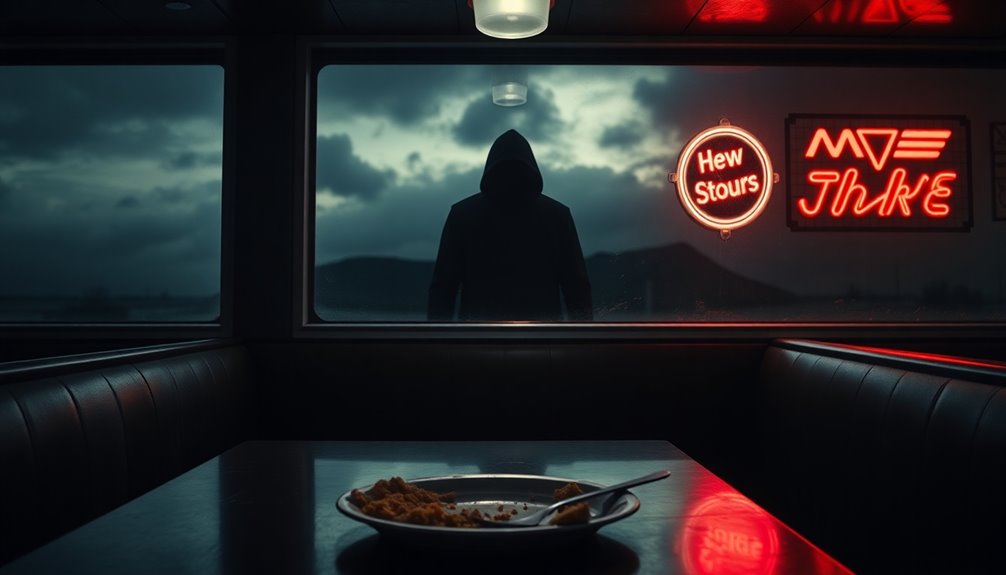
Lee asks Maren to eat him because he wants her to keep a part of him and to avoid a life of loneliness. The request also protects her from harming someone else, which is one of the film’s most painful ideas. The request makes sense within the film’s logic, even though it is disturbing to watch.
Read in context, the request works on several levels:
- Intimacy: Lee wants Maren to be the one who takes him in, which makes their bond physical and permanent.
- Protection: His death keeps Maren from having to hunt or harm an innocent person.
- Identity: By eating him, Maren accepts that she is a cannibal and stops fighting that part of herself.
How Does Maren React After Lee’s Death?
Maren is left alone to face the consequences of her nature and her choices. The film shows her grief as a mix of heartbreak and a hard-won understanding of who she is. Her future is left open, which keeps the ending unsettling rather than neatly resolved.
How Viewers Read the Ending
Viewers read Lee’s death in different ways, but most interpretations fall into a few clear camps. The film supports more than one reading because it leaves Maren’s future uncertain. The table below summarizes the main readings and the parts of the film that support each one.
| Reading | What It Emphasizes | What Supports It |
|---|---|---|
| Tragic sacrifice | Lee’s death as a devastating cost of love | His fatal wound and Maren’s grief after he dies |
| Symbolic union | Eating Lee as a permanent bond between them | His request to be eaten “bones and all” |
| Self-acceptance | Maren embracing her nature instead of fighting it | Her hesitation followed by her choice to eat him |
| Ambiguous future | Uncertainty about whether Maren can build a life alone | The open ending that leaves her next steps unshown |
Each reading is supported by specific moments, so the best answer depends on which parts of the film you weigh most. Viewers who focus on the emotional weight of the request often see tragedy, while those who focus on Maren’s growth tend to see acceptance.
Cannibalism as a Metaphor for Love
In Bones and All, cannibalism functions as a metaphor for intimacy that is both nurturing and destructive. The film does not treat the act as simply shocking; it uses it to show how deep attachment can demand sacrifice. The metaphor works because it makes the cost of closeness visible.
What Does Eating Symbolize in the Film?
Eating symbolizes a bond that goes beyond ordinary companionship. In the film, it represents a desire for unity that persists even after death. The act is disturbing, but it expresses a hope that no one else will fully understand them the way they understand each other.
How Does the Film Connect Cannibalism to Identity?
The film links cannibalism to identity by showing Maren wrestling with the fear of becoming the monster her father believed her to be. Her hunger is not only physical; it also reflects her internal conflict between human longing and violent instinct. Her eventual acceptance of Lee’s request marks a shift from denial to self-understanding.
Why Does the Story Feel So Lonely?
The story feels lonely because both characters live in a world that rejects them. Their shared outsider status explains why they cling to each other so tightly. The film suggests that their bond is a form of belonging, even if the society around them would never accept it.
Real-World Cannibalism and Kuru
Real-world cannibalism is rare, and the best-documented case is kuru, a disease linked to traditional funerary practices. Kuru was the first human prion disease, and its history shows how a ritual practice can have deadly medical consequences. The film is fiction, so it should not be read as a literal account of such events.
A review of kuru published through PubMed Central traces the disease’s discovery, its anthropological background, its epidemiology, and its neuropathology. The review is a useful starting point for anyone who wants the scientific history rather than the myths that often surround it.
Researchers also debate the language used for these practices. According to a study on the history of endo- and exocannibalism in Papua New Guinea, the authors prefer the term “transumption” over “cannibalism” for the traditional mortuary practices of the kuru-affected region. The same study says kuru peaked in the late 1950s among the Fore and neighboring groups.
Why Are Prion Diseases So Dangerous?
Prion diseases are dangerous because they are almost always fatal and currently have no cure. The U.S. Centers for Disease Control and Prevention explains that prion diseases always lead to death within months to years after symptoms begin, and there is currently no treatment or vaccine for them. That reality is why prevention and medical safety matter so much.
Prions can also spread through medical care. The CDC’s overview of classic Creutzfeldt-Jakob disease reports six known cases caused by surgical or medical equipment contaminated with prions from another patient. This is a medical fact, not a plot element, and it shows why the subject deserves careful, accurate handling.
Food as a Binding Act in Literature
Food that binds people to one another, or to a place, appears often in literature and myth. The motif is useful for readers because it links eating to memory, obligation, and identity. Bones and All fits that tradition while pushing it into horror.
Older stories use the same idea. Our article on the Persephone myth and why she ate exactly six pomegranate seeds shows how a single act of eating can tie a person to a new world. Comparing these stories helps readers see why eating carries such weight in the film.
Is Cannibalism Common in Classic Novels?
Cannibalism is uncommon in classic novels but appears often enough to be a recognized literary device. Writers use it to signal breakdown, taboo, or the boundary between civilization and instinct. Students who want a comparison can start with our look at whether cannibalism appears in Lord of the Flies, which examines the same symbolic territory.
Frequently Asked Questions
Does Maren Eat Lee in Bones and All?
Yes, Maren eats Lee after he asks her to consume him. She hesitates at first, but she accepts his request after a passionate kiss. The film treats this moment as the emotional center of the ending.
Is Bones and All a Horror Movie or a Romance?
It is both, and that combination is central to its appeal. The film uses horror imagery to explore a romance built on shared outsider status. Viewers who expect only one genre may find the blend unsettling.
Is Cannibalism Real Outside of Fiction?
Cannibalism has occurred in some human societies, but it is rare and usually tied to specific cultural or survival contexts. The best-documented example is kuru, which spread through traditional mortuary practices and peaked in the late 1950s. Fiction like this film uses cannibalism symbolically rather than describing real practices.
What Does the Ending of Bones and All Mean?
The ending suggests that Maren must live with her identity and the loss of Lee. The film leaves her future open, which invites different readings. Most interpretations center on sacrifice, acceptance, and the cost of love.
Why Is Lee So Important to Maren?
Lee gives Maren a sense of belonging in a world that fears and rejects her. He protects her and shares her nature, which makes their bond feel rare. His death forces her to face her identity alone.
Conclusion
So, did Lee die in Bones and All? Yes, and his death is the film’s emotional core. His final request turns cannibalism into a metaphor for love, sacrifice, and self-acceptance. Understanding that request is the key to understanding what the ending asks you to consider about intimacy and identity.