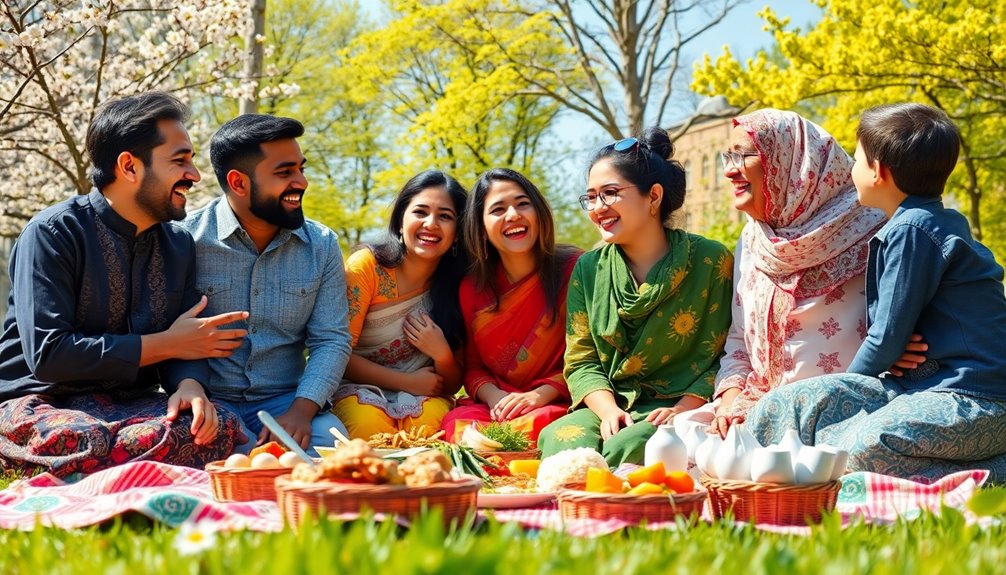
When you explore the meaning of “family” across languages, you discover a rich tapestry of connections and stories. Terms like “famiglia” in Italian highlight emotional bonds and community ties, showing that family extends beyond blood relations. Unique structures appear worldwide, including blended families and chosen kin. Each culture celebrates family with vibrant traditions that foster belonging. As you uncover these layered definitions, you’ll find even more fascinating insights into what family truly means across different societies.
The Meaning of “Family” Across Cultures
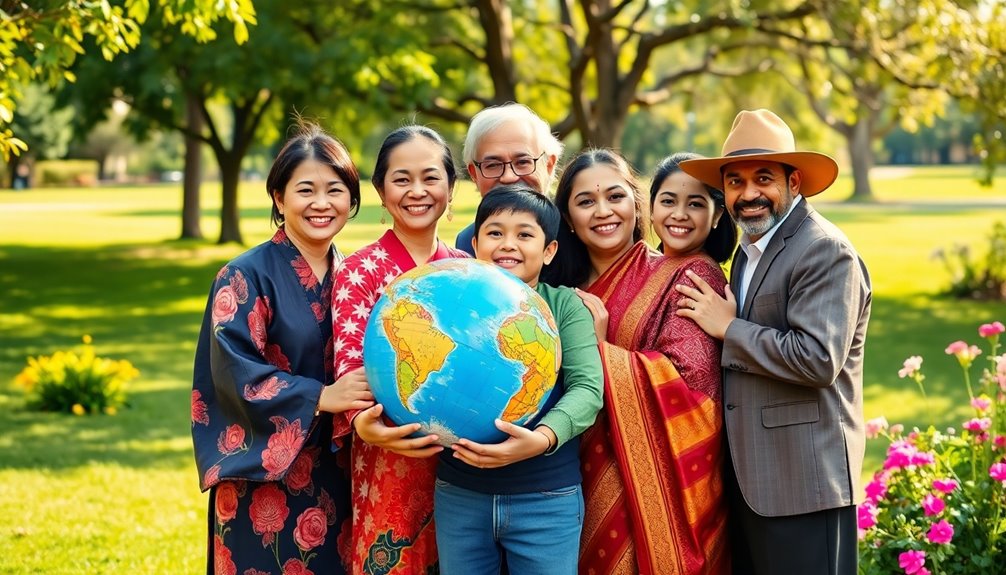
When you think about family, you might picture your immediate relatives, but in many cultures, the concept stretches far beyond that.
Cultural definitions of family vary widely, influenced by historical contexts and societal expectations. You’ll find that familial roles aren’t always confined to parents and siblings; they often encompass extended relatives and even close friends.
Linguistic variations highlight these unique connections, showing how language reflects emotional ties and community bonds. In some cultures, familial responsibilities extend beyond blood relations, emphasizing support and care for others in the community. This concept of community bonds is reminiscent of how relationships in literature, such as in *Giovanni’s Room*, explore the intricacies of love and belonging.
These diverse perspectives enrich your understanding of family, revealing how emotional connections and community ties shape what it means to belong.
Unique Family Structures Around the World
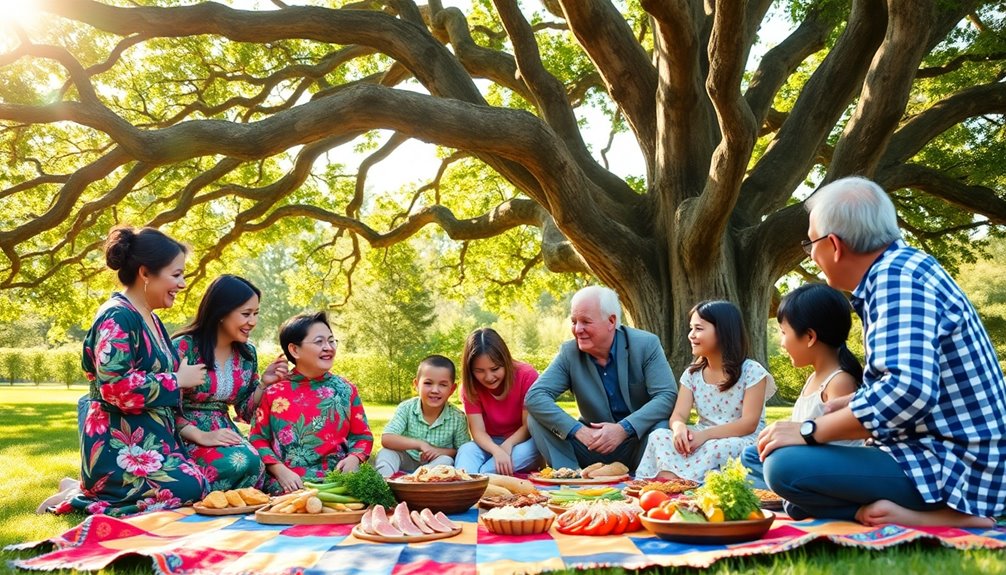
While you might think of family as a traditional unit of parents and children, many cultures showcase unique structures that redefine this concept.
Blended families often emerge from remarriages, creating new dynamics. In some cultures, extended kinship plays a significant role, where multiple generations live together, fostering intergenerational living.
Blended families and extended kinship redefine traditional structures, fostering rich intergenerational connections and unique family dynamics.
Single parenthood is another common reality, supported by community and family hierarchies. Chosen families, formed through deep friendships, provide love and support, often replacing traditional ties.
Nontraditional households, including those formed through cross-cultural adoption, enrich family narratives. These arrangements emphasize communal upbringing and multi-generational support, proving that family can manifest in countless forms, each with its own stories and strengths. Furthermore, the resilience of immigrant families often shapes these diverse family structures, highlighting the profound impact of cultural backgrounds on familial bonds.
Celebrating Family: Traditions and Rituals
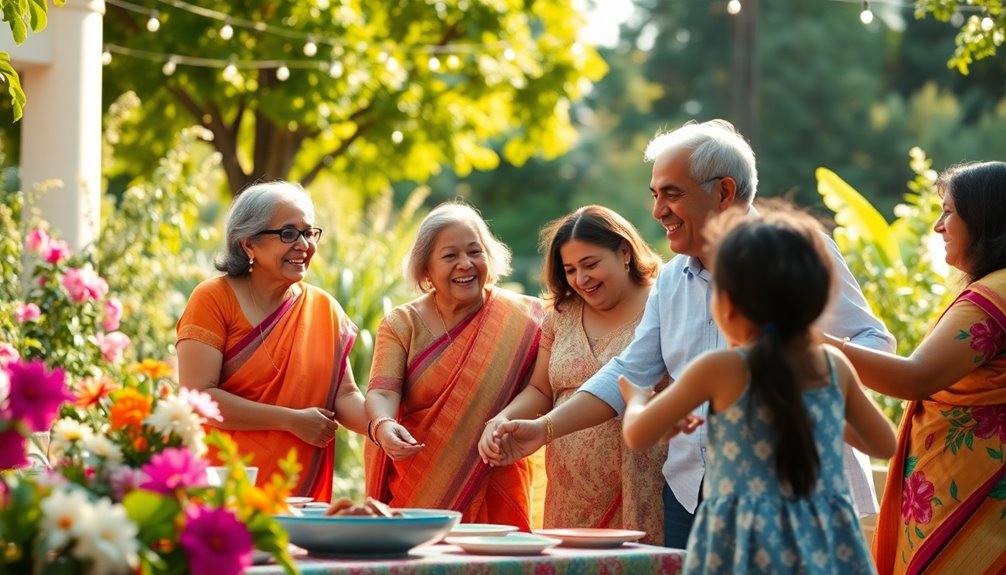
When you think about family, unique cultural traditions often come to mind. These rituals not only strengthen bonds but also create lasting memories. Food, for instance, can symbolize cultural identity and tradition, showcasing how different families express their heritage through culinary practices. Let’s explore how different families celebrate their connections around the world.
Unique Cultural Traditions
Across the globe, countless cultures celebrate family through unique traditions and rituals that strengthen bonds and create lasting memories. You might find yourself participating in vibrant cultural festivals, where storytelling practices pass down ancestral connections.
These events highlight familial roles, ensuring each member feels valued and recognized. Heritage celebrations often bring together entire communities, fostering a sense of belonging and shared identity.
Imagine gathering with loved ones, sharing meals and stories that honor your roots. In these communal gatherings, traditions are alive, reminding you of the importance of family ties.
Whether it’s a wedding, a holiday, or a simple family reunion, each event tells a story, weaving together the fabric of your unique cultural identity.
Meaningful Family Rituals
Family rituals hold a special place in our lives, as they create opportunities to connect and strengthen bonds. These meaningful practices often reflect our cultural heritage and foster emotional connections.
Here are three powerful aspects of family rituals:
- Family Storytelling: Sharing stories during communal gatherings enriches intergenerational bonding and preserves ancestral wisdom.
- Ritual Significance: Each ritual holds unique meaning, reinforcing our identity and values through shared experiences.
- Festive Celebrations: Participating in festive celebrations unifies family members, creating lasting memories that deepen relationships.
Engaging in these rituals not only enhances our sense of belonging but also nurtures emotional ties that withstand the test of time.
Embrace these moments, and watch your family grow closer together.
Language Nuances: How Words Shape Perceptions of Family
While exploring how different languages express the concept of family, you’ll uncover fascinating nuances that shape perceptions and values.
Language evolution reflects societal values, revealing how familial terminology can influence emotional connections. For instance, some cultures have specific words for extended family, emphasizing relational dynamics and the importance of community in identity formation.
This linguistic diversity showcases cultural sensitivity, as different terms can signify varying roles within a family unit. Understanding these subtleties can enrich your appreciation of how language shapes our views on family.
You’ll find that even the smallest variations can have profound implications, reminding us that words not only communicate but also define our relationships and social structures. Additionally, concepts like redemption and dignity in literature illustrate how familial bonds can inspire personal transformation.
The Role of Family in Different Societies
Here are three key aspects to reflect on:
- Parental Responsibilities: In many cultures, parents are seen as the primary providers, shaping children’s futures and instilling societal values.
- Sibling Dynamics: Birth order and gender can influence roles, affecting support systems and responsibilities among siblings.
- Kinship Networks: Extended family often plays a vital role, reinforcing community ties and providing familial support during generational shifts. Additionally, generational poverty can profoundly impact family dynamics, influencing how familial roles are perceived and enacted across various cultures.
Cultural expectations shape these dynamics, while societal influences dictate how families interact, creating intricate webs of familial roles that define your experience and relationships within your community.
Personal Stories: What Does Family Mean to Individuals?
Think about what family means to you.
Whether it’s cherished traditions or unique cultural perspectives, your experiences shape those bonds in meaningful ways. The struggle for racial justice within families can profoundly influence their narratives and connections.
Let’s explore how these personal stories highlight the diverse definitions of family.
Cultural Perspectives on Family
Family means different things to different people, shaped by cultural backgrounds and personal experiences. Your understanding of family often reflects deep-rooted cultural narratives, including:
- Familial Roles: Different cultures define roles within families, influencing how you interact with each member.
- Emotional Connections: The bonds you form are often influenced by societal expectations, affecting how you express love and support.
- Intergenerational Influence: Family values and community ties shape your identity, as wisdom and traditions are passed down through kinship networks.
These factors create a mosaic of perspectives, where each person’s story adds richness to the concept of family.
Understanding these cultural dimensions helps you appreciate the diverse ways people build emotional connections and navigate familial roles within their communities.
Personal Family Traditions
While exploring what family means to you, personal traditions often reveal the heart of those connections.
Think about your family meals, where laughter mixes with cultural cuisines, creating a unique flavor of togetherness.
Storytelling nights might bring history alive, passing down tales and ancestral celebrations that strengthen your roots.
Holiday gatherings serve as a canvas for bonding activities, like decorating or preparing special dishes.
Weekend rituals, whether it’s hiking or game nights, offer moments of joy and shared hobbies that deepen your ties.
Family vacations create lasting memories, while cherished family heirlooms connect you to generations past.
Each tradition, big or small, contributes to your family’s story and the love that binds you all together.
Defining Family Bonds
Connections forged through shared experiences often shape what family means to each of us. Family isn’t just about blood; it’s about the roles we play and the bonds we create.
Here are three key elements that define these bonds:
- Emotional Connections: These ties often stem from shared values and experiences, creating a strong foundation in family dynamics.
- Caregiving Roles: Many of us find ourselves stepping into roles that support one another, reinforcing our kinship networks and ancestral ties.
- Sibling Relationships: Your relationships with siblings can provide generational wisdom and a unique perspective on family roles.
Ultimately, these elements form the support systems that help you navigate life’s challenges, illustrating that family is what you make of it.
The Impact of Globalization on Family Definitions
As globalization continues to reshape societies, it’s redefining what family means across cultures. You might notice that global family dynamics are shifting, as traditional structures evolve under new influences.
People are increasingly blending customs and values from different cultures, leading to broader definitions of family. You may find that family no longer just includes biological ties; it often encompasses friends, colleagues, or even community members.
Family now transcends biological ties, embracing friends, colleagues, and community members as integral parts of our lives.
This evolution reflects a more inclusive understanding, where love and support take precedence over traditional roles. As you engage with diverse cultures, you’ll likely see how these evolving definitions foster connections, challenge norms, and create new family forms.
Moreover, this change in family dynamics echoes the importance of informed consent in how individuals navigate relationships and community ties in an interconnected world. Embracing this change can enrich your understanding of what family truly means in our interconnected world.
Looking Ahead: The Future of Family Dynamics Worldwide
Globalization’s influence on family structures has set the stage for even more change in the future. As you navigate these shifts, consider how:
- Evolving Roles: Family members will redefine their responsibilities, influenced by modern parenting and societal shifts.
- Digital Connections: Technology will deepen relationships, fostering intergenerational dynamics and cross-cultural influences that enrich family life.
- Diverse Definitions: Families will embrace changing values, leading to varied interpretations of what constitutes a family unit.
As you look ahead, keep in mind that family resilience will be essential in adapting to these transformations. Systemic racism and economic disparities can impact family dynamics, highlighting the need for awareness and empathy in navigating future relationships.
Embracing future relationships and understanding these evolving roles will ultimately shape the foundations of families worldwide.
Conclusion
As you wander through the vast forest of family, you’ll find trees of different shapes and sizes, each telling its own story. Some branches intertwine, while others stand alone, yet all provide shelter and strength. Just as the forest thrives on diversity, so does the concept of family. Embrace these varied roots, for they remind us that love and connection can flourish in countless ways. In this shared journey, every story enriches the tapestry of life.