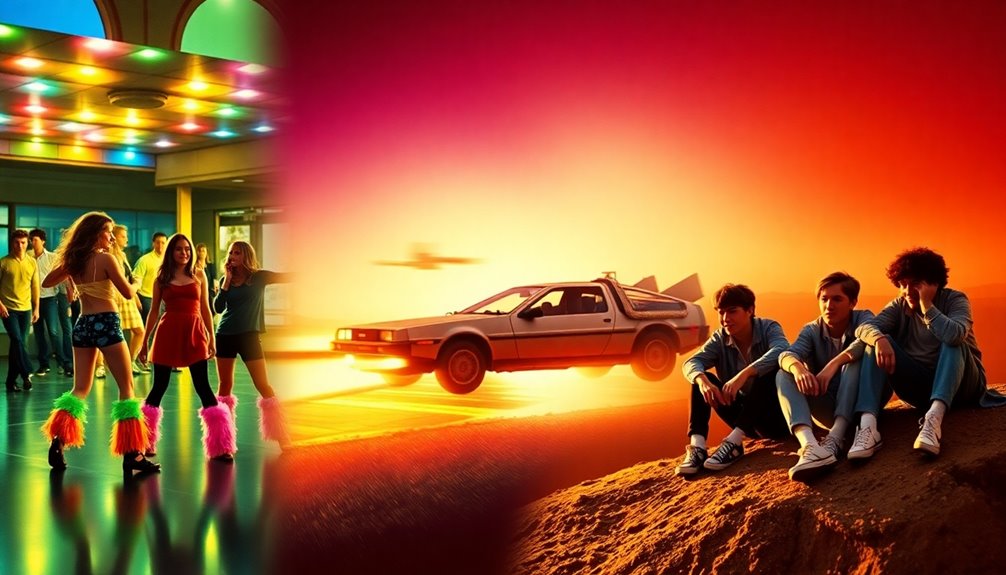
The best 1980s movies shaped modern cinema in many ways. Iconic blockbusters like *E.T.* and *Indiana Jones* set the stage for franchise filmmaking, while groundbreaking horror such as *A Nightmare on Elm Street* reflected societal fears. Coming-of-age films like *The Breakfast Club* connected deeply with audiences, and innovative sci-fi like *Blade Runner* redefined visual storytelling. These classics still resonate today, influencing newer films. Discover more about how these gems continue to impact cinema today.
Iconic Blockbusters That Shaped Today’s Film Landscape
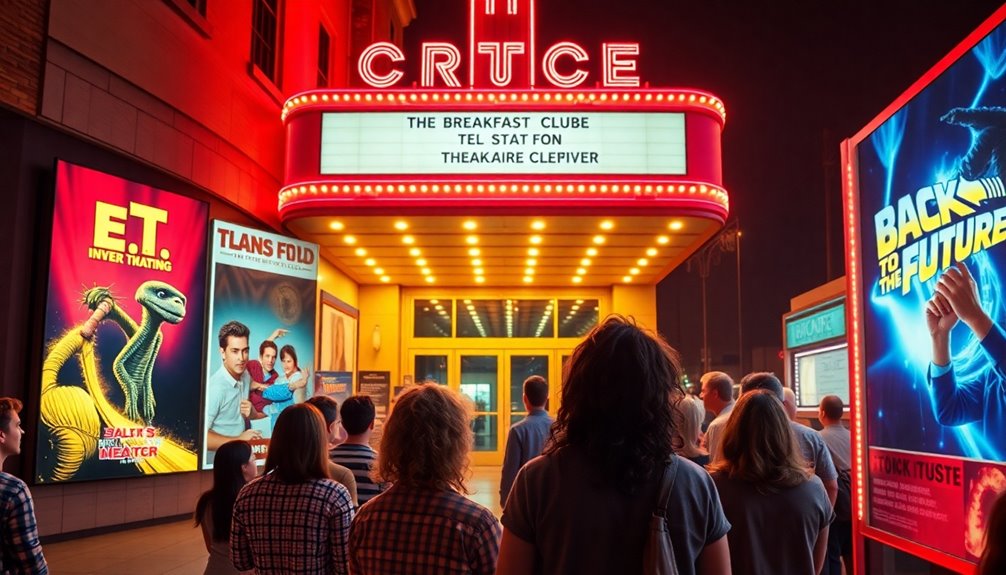
When you look back at the 1980s, it’s clear that this decade gave birth to iconic blockbusters that not only captivated audiences but also transformed the film landscape.
Movies like *Star Wars: The Empire Strikes Back* and *E.T. the Extra-Terrestrial* raised the bar for special effects and storytelling.
*Indiana Jones and the Raiders of the Lost Ark* blended action with humor, laying a foundation for franchise filmmaking that we still see today.
Comedies like *Ghostbusters* and *Ferris Bueller’s Day Off* showed how genre-blending could work, appealing to a wide audience.
This shift toward franchises, highlighted by series like *Back to the Future* and *Die Hard*, paved the way for the blockbuster culture that dominates modern cinema. Additionally, these films often featured intricate plots that kept audiences engaged and coming back for more.
Groundbreaking Horror Films and Their Lasting Impact
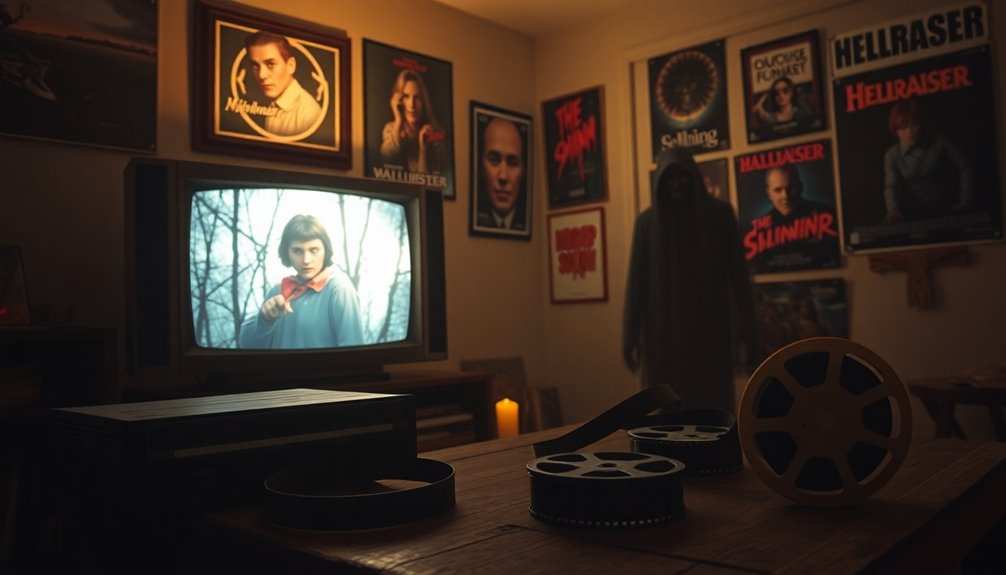
Meanwhile, *The Evil Dead* showcased inventive practical effects that inspired future filmmakers. These films often reflected societal anxieties, such as fears surrounding technology in *Blade Runner*, leaving a lasting impact on both the horror genre and modern cinema as a whole. Notably, horror films like *A Nightmare on Elm Street* echo Richard Wright’s exploration of systemic racism, highlighting how societal fears can shape narratives and character development.
Beloved Coming-of-Age Stories and Their Cultural Relevance
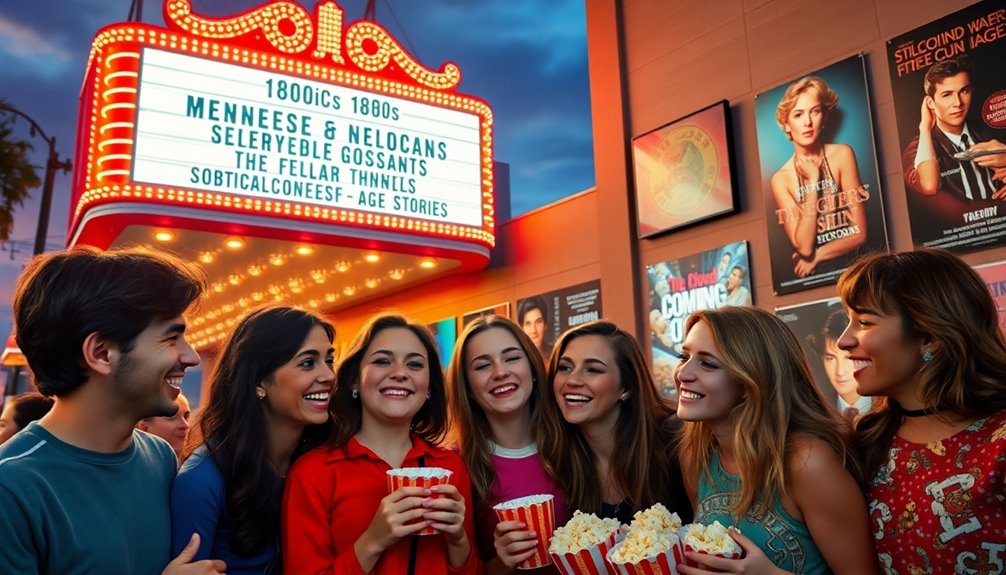
When you think of the 1980s, iconic teen characters and unforgettable soundtracks come to mind. These films didn’t just entertain; they taught valuable life lessons about growing up, friendship, and self-acceptance. Their cultural relevance still resonates today, influencing how we view adolescence in cinema. Many of these stories echo the themes of poverty and resilience found in classic literature, showcasing the universal struggles of youth across different eras.
Iconic Teen Characters
The 1980s brought to life a vibrant array of iconic teen characters who navigated the complex landscape of adolescence. Films like *The Breakfast Club* and *Sixteen Candles* shaped the coming-of-age genre, showcasing diverse experiences that resonated deeply with viewers.
You can’t forget the casual yet impactful struggles depicted in *Fast Times at Ridgemont High*, where love, friendship, and personal growth intertwine. Ferris Bueller’s carefree rebellion in *Ferris Bueller’s Day Off* inspires modern portrayals of teenage freedom.
Meanwhile, John Hughes’ *Pretty in Pink* highlights social dynamics and class issues, allowing you to reflect on the pressures of fitting in. These characters embody teenage angst, making their stories eternally relevant to new generations.
Nostalgic Soundtrack Influence
Nostalgic soundtracks from 1980s coming-of-age films not only defined the decade but also shaped how you connect with the stories of adolescence. Iconic tracks, like Simple Minds’ “Don’t You (Forget About Me)” from *The Breakfast Club*, became synonymous with the emotional tone of youth.
These soundtracks, blending pop, rock, and new wave, captured the essence of teenage life and resonated deeply with audiences. Films such as *Fast Times at Ridgemont High* showcased authentic soundscapes featuring artists like The Go-Go’s and Jackson Browne, enhancing their cultural relevance.
The music not only underscored character arcs but also set a precedent for modern filmmakers, proving that a well-curated nostalgic soundtrack can remarkably elevate a coming-of-age narrative.
Life Lessons Explored
Music isn’t the only thing that sticks with you from the 1980s; the life lessons in beloved coming-of-age films resonate just as powerfully.
In *The Breakfast Club*, you see how empathy bridges social divides, while *Ferris Bueller’s Day Off* captures the essence of living in the moment amidst societal pressures.
*Fast Times at Ridgemont High* humorously tackles peer pressure and relationships, reflecting the real struggles of adolescence.
Meanwhile, *Sixteen Candles* highlights the feeling of being overlooked, showcasing the universal desire for connection.
These best films not only entertain but also impart timeless life lessons about friendship, self-discovery, and the challenges of growing up—insights that continue to shape modern cinema and influence viewers today.
Innovative Sci-Fi Movies That Set New Standards
Five groundbreaking films from the 1980s transformed the sci-fi genre, setting new standards that continue to influence cinema today.
*Blade Runner* redefined visual storytelling with its stunning special effects and dystopian aesthetic, inspiring countless filmmakers.
Then there’s *E.T. the Extra-Terrestrial*, which combined heartwarming narratives with innovative effects, creating a cultural phenomenon that changed family sci-fi forever.
*Back to the Future* cleverly fused sci-fi with comedy and adventure, showcasing unique storytelling techniques around time travel.
These films not only pushed technological boundaries but also shaped character development and emotional depth in the genre.
Together, they laid the groundwork for modern sci-fi, proving that innovation in storytelling and visuals can resonate for generations, much like the political intrigue found in *Dune* that continues to influence contemporary narratives.
Comedies That Redefined Humor and Social Commentary
The 1980s produced a handful of comedies that not only entertained but also challenged societal norms and perceptions. These films blended humor with sharp social commentary, making them significant in the landscape of teen films.
- The Breakfast Club explored identity through diverse high school students.
- Ferris Bueller’s Day Off showcased rebelliousness and freedom while critiquing authority.
- Fast Times at Ridgemont High candidly addressed love and peer pressure in adolescence.
- Heathers satirized high school hierarchies, paving the way for dark comedy.
These comedies didn’t just make you laugh; they made you think. They redefined humor, proving that laughs could coexist with critical reflections on the complexities of youth and society, much like the acts of resistance that inspired courage and unity in the face of adversity.
The Rise of Documentaries and Their Influence on Storytelling
While comedies in the 1980s sparked conversations about youth and society, another genre was quietly evolving: documentaries. This decade marked a significant shift in documentary filmmaking, with innovative storytelling techniques that captivated audiences.
Films like *Stop Making Sense* showcased live performances, blending energy and creativity, while others, such as *Grave of the Fireflies*, highlighted pressing humanitarian issues through emotional storytelling.
Filmmakers began exploring diverse subjects, from personal to political narratives, as seen in *Reds* and *My Beautiful Laundrette*. This rise in visibility led to greater recognition of documentaries at prestigious awards, paving the way for future non-fiction styles. The decade’s focus on social justice themes in films resonated with the broader narratives of struggle, much like the storytelling found in literature such as *The Grapes of Wrath*.
The 1980s truly set a new standard for how stories could be told, influencing modern cinema profoundly.
Cult Classics That Continue to Inspire Filmmakers
As filmmakers today draw inspiration from the past, cult classics from the 1980s stand out for their unique storytelling and lasting impact.
These films not only entertained but also shaped modern cinema’s approach to narrative and themes.
These iconic films not only captivated audiences but also redefined narrative techniques and thematic depth in modern cinema.
- Blade Runner: Revolutionized sci-fi with its noir aesthetic and complex themes of identity.
- The Princess Bride: Blended fantasy and adventure, setting the standard for modern fairy tales.
- Heathers: Offered a darkly satirical view of high school, tackling serious social issues with humor.
- The Breakfast Club: Explored identity and social cliques, establishing templates for ensemble narratives.
These cult classics continue to inspire filmmakers, proving that innovative storytelling can resonate across generations.
The Enduring Legacy of 1980s Cinema in Modern Storytelling
Though many years have passed since the 1980s, the influence of its cinema continues to shape modern storytelling in profound ways.
Films exploring identity and personal growth, like *The Breakfast Club*, resonate deeply today, informing countless coming-of-age narratives.
The innovative special effects from *Blade Runner* and *E.T. the Extra-Terrestrial* set a visual standard that’s still pivotal in sci-fi and fantasy genres.
Additionally, the blending of humor and social commentary in movies such as *Ghostbusters* encourages filmmakers to weave satire into serious themes, enriching narratives.
The emergence of independent cinema from that era also paved the way for diverse storytelling, inspiring unique voices and unconventional tales that thrive in today’s film landscape.
The 1980s truly left an indelible mark.
Conclusion
In the grand tapestry of cinema, the 1980s loom larger than life, a dazzling kaleidoscope of creativity that’s practically infused with magic. You can’t help but feel the electric pulse of those iconic films in today’s blockbusters, where every laugh, scream, and heartfelt moment echoes across the decades. As you immerse yourself in modern storytelling, remember: the 1980s didn’t just influence cinema; they practically birthed it anew, shaping the very essence of what we love on screen today.