
In 2024, neo-gothic horror‘s focus on psychological terror reflects your deepest fears and anxieties. These stories explore trauma, guilt, and emotional decay through eerie settings and complex characters, drawing you into their personal struggles. Authors like Silvia Moreno-Garcia and Isabela Cañas craft narratives that address societal issues alongside supernatural elements, creating a rich tapestry of horror. As you explore this genre, you’ll uncover how it mirrors both personal and collective fears in surprising ways.
The Rise of Neo-Gothic Horror in 2024
As you explore 2024, you’ll notice a striking rise in neo-gothic horror that captures the complexities of modern life. This genre thrives on psychological terror, delving into themes of guilt and trauma, making it relevant to today’s readers.
Works like *The Haunting of Moscow House* and *This Cursed House* showcase the unsettling nature of family dynamics, reflecting societal anxieties.
Authors are innovating by blending traditional gothic elements with contemporary insights, creating narratives that resonate deeply. Characters grapple with their pasts, haunted by symbols of personal decay as seen in *Lucy Undying* and *Lady MacBeth*. This evolution mirrors the exploration of the complexities of emotions, emphasizing how characters confront their regrets and seek redemption.
The evolution of neo-gothic horror in 2024 not only entertains but also challenges you to confront the darker aspects of life and relationships.
How Psychological Terror Enhances Gothic Themes
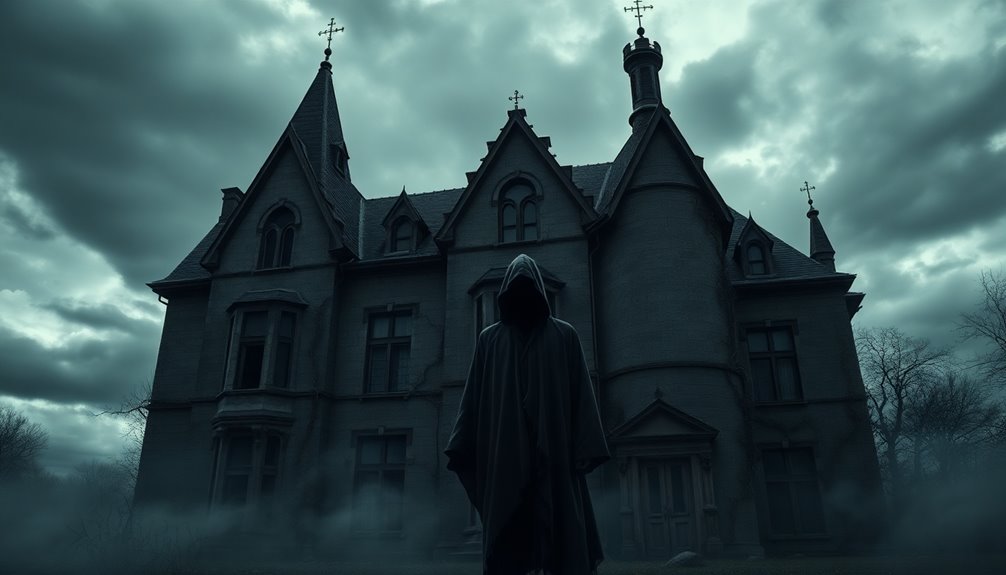
In neo-gothic horror, you’ll find that psychological terror unravels the characters’ inner turmoil, making their fears and regrets hauntingly relatable.
The eerie settings often amplify these emotions, acting as catalysts that reflect the characters’ psychological struggles.
This blend of environment and emotional depth creates a chilling atmosphere where memories linger and traumas manifest in unsettling ways. Additionally, themes of jealousy and power dynamics are commonly explored, further enhancing the psychological complexity of the narrative.
Unraveling Inner Turmoil
While exploring the depths of neo-gothic horror, you’ll find that psychological terror plays an essential role in amplifying the genre’s themes. Many contemporary novels tap into characters’ inner turmoil, manifesting their guilt and trauma through haunting symbols or monstrous figures.
This approach creates a palpable sense of dread that resonates with your own anxieties. Authors investigate complex family dynamics and societal pressures, making the horror feel relatable and impactful.
Works like *The Night Guest* and *Listen For the Lie* intertwine personal crises with supernatural elements, enhancing emotional depth. As you read, psychological terror challenges your perceptions of reality and forces you to confront your own fears, making the neo-gothic experience both unsettling and thought-provoking.
Haunting Memories and Regrets
- Characters battling trauma amplify the gothic atmosphere.
- The exploration of amnesia and regret heightens suspense.
- Each haunted house reflects broader societal issues.
- Readers experience profound psychological unease through character development.
This focus on haunting memories enriches your reading experience, making each story an unsettling journey through the human psyche.
Environment as Psychological Catalyst
Haunting memories aren’t the only forces at play in neo-gothic horror; the environments themselves emerge as powerful psychological catalysts.
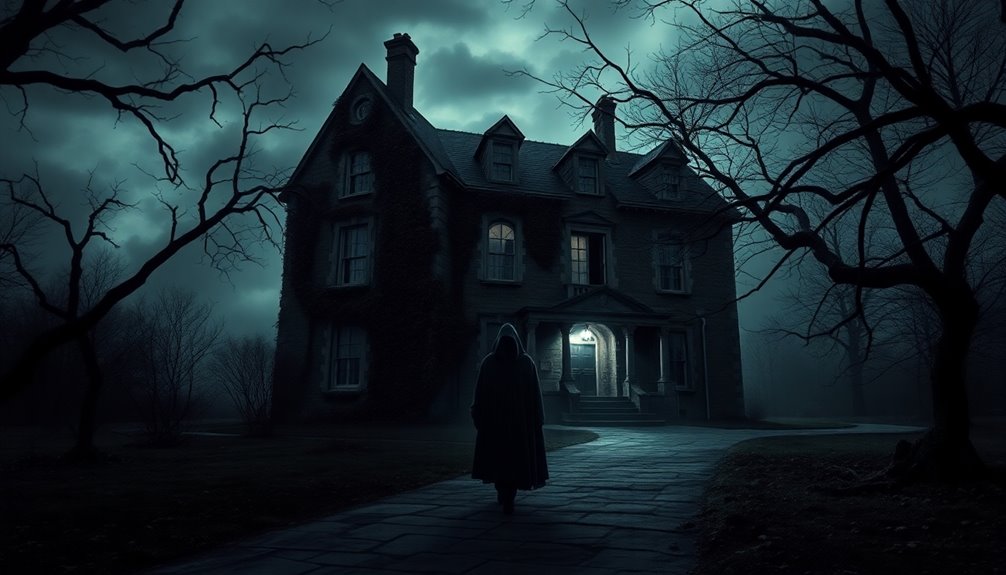
In 2024, settings like dilapidated houses and haunted landscapes amplify your characters’ internal fears, creating a chilling sense of dread that mirrors their emotional states.
As you explore environmental decay in titles like *The Bog Wife*, you’ll find it reflects personal and societal breakdown, deepening the characters’ struggles with guilt and trauma.
These atmospheric descriptions not only set the tone for horror but also intensify the psychological turmoil faced by protagonists, turning the haunted house into an extension of their psyche.
Key Authors Leading the Neo-Gothic Movement
The resurgence of neo-gothic horror in 2024 is marked by a diverse array of authors who skillfully blend traditional gothic elements with contemporary themes.
These writers are redefining the genre, emphasizing psychological terror and emotional complexity. Here are some key authors leading the neo-gothic movement:
- Silvia Moreno-Garcia: *Mexican Gothic* merges cultural heritage with gothic horror.
- Isabela Cañas: *The Hacienda* explores haunting familial legacies.
- Courtney Gould: *The Dead and the Dark* investigates societal issues and personal traumas.
- Grady Hendrix: Infuses humor into horror, revealing psychological impacts of fear.
These authors not only create eerie atmospheres but also challenge readers to confront their own fears, making the neo-gothic genre richer and more resonant. Furthermore, their work echoes the importance of marginalized individuals’ contributions to the evolution of horror narratives, emphasizing diverse perspectives in storytelling.
Exploring the Connection Between Trauma and Horror
Neo-gothic horror captivates readers not just with its eerie settings and chilling narratives but also through its profound exploration of trauma. In this genre, psychological terror emerges as characters grapple with their past experiences, leading to haunting realizations that reflect their inner turmoil.
Books like *The World He Once Knew* and *Midnight on Beacon Street* illustrate how trauma shapes current fears, drawing you into a web of guilt and societal expectations. These narratives often confront the stigma surrounding mental health, making the horror relatable and impactful. The exploration of systemic racism in literature, much like in Wright’s *Native Son*, reveals how societal conditions can deepen personal trauma and shape fear responses.
The Role of Setting in Psychological Horror Narratives
While immersing yourself in a psychological horror narrative, you’ll quickly notice how the setting often mirrors the characters’ inner struggles. Haunted locations, like decaying houses or isolated landscapes, reflect their traumas and guilt, amplifying the tension.
The settings in psychological horror reveal characters’ inner turmoil, with haunted locations amplifying their traumas and deepening the narrative tension.
In 2024, neo-gothic horror novels frequently use settings that evoke claustrophobia, enhancing paranoia and dread. The contrast between serene, picturesque surroundings and underlying darkness creates an unsettling dissonance for both characters and readers.
- Decaying houses symbolize mental instability.
- Isolated landscapes heighten feelings of confinement.
- Urban environments contribute to a sense of paranoia.
- Juxtaposition of beauty and horror deepens emotional impact.
Additionally, the exploration of psychological depth allows readers to engage with the characters’ fears and motivations, further intensifying the horror experience.
Unpacking the Emotional Depth of Characters in Neo-Gothic Novels
In neo-gothic novels, you’ll find characters wrestling with complex family dynamics and their own internal struggles. These emotional battles reflect larger societal challenges, forcing them to confront their identities and resilience. As you explore these narratives, you’ll notice how each character’s journey amplifies the psychological tension and horror of their world. This exploration of systemic racism’s impact resonates with themes from Richard Wright’s *Native Son*, highlighting how external forces shape personal identity and choices.
Complex Family Relationships
As you explore the world of contemporary gothic fiction, you’ll find that complex family relationships serve as an essential backbone, driving the narrative and enriching character development.
These relationships reveal dark secrets and tensions that shape characters’ identities.
- Protagonists often confront the haunting legacy of familial expectations.
- Novels like An Affinity for Formaldehyde highlight psychological trauma within families.
- Themes of guilt and betrayal reflect broader societal issues.
- Emotional depth showcases how familial ties can lead to psychological distress.
Internal Struggles and Resilience
Complex family relationships lay the groundwork for the internal struggles that define characters in neo-gothic horror.
As you explore these narratives, you’ll find protagonists wrestling with personal guilt and societal pressures, often mirrored by haunting symbols. Their emotional landscapes are rich with trauma, making their journeys resonate deeply.
You’ll witness characters displaying remarkable resilience as they confront fears rooted in complex family dynamics. Themes of mental health and self-discovery abound, enabling you to connect with individuals facing profound emotional challenges.
This exploration of identity and past traumas invites a deeper understanding of human experiences, allowing the horror to echo on a psychological level.
Neo-gothic horror in 2024 immerses you in the intricate dance of internal struggles and resilience.
Societal Challenges and Identity
While traversing the haunting worlds of neo-gothic horror, you’ll encounter characters whose identities are intricately shaped by societal challenges.
These novels explore deep into emotional landscapes, revealing how trauma and guilt shape personal histories.
- Protagonists often confront their pasts, reflecting broader anxieties of modern life.
- Themes of mental health struggles resonate strongly, mirroring your own experiences.
- Environmental decay and social injustice weigh heavily on characters, amplifying their psychological burdens.
- Works like The Haunting of Moscow House and *The Bog Wife* highlight the interplay of familial legacies with societal pressures.
Through these complexities, neo-gothic horror invites you to engage with the subtleties of identity and the human experience in the face of turmoil.
The Influence of Societal Anxieties on Modern Gothic Horror
Modern gothic horror vividly captures the societal anxieties that permeate our lives, intertwining themes like climate change, social injustice, and personal trauma into its narrative fabric.
You’ll find that works like *The Bog Wife* and *Lucy Undying* showcase how characters navigate their internal struggles amid external chaos. These stories explore psychological terror, examining guilt and mental health while reflecting contemporary issues.
As you read, you’ll notice how love and violence intertwine, emphasizing the darker aspects of human relationships shaped by societal pressures.
Neo-gothic authors innovate traditional themes, incorporating elements of personal decay and environmental concerns, resonating deeply with today’s realities. This genre’s rise in psychological horror reveals a growing desire for narratives that challenge perceptions of reality amidst societal turmoil, echoing how systemic racism and oppression shape individual destinies, similar to Bigger Thomas’s experiences.
How Supernatural Elements Amplify Psychological Tension
As you plunge into neo-gothic horror, you’ll discover that supernatural elements often act as powerful symbols of characters’ inner fears and traumas, intensifying psychological tension.
These eerie manifestations blur the line between reality and the fantastical, compelling you to confront unsettling truths.
- Ghosts serve as reminders of guilt, heightening dread.
- Cursed objects reveal deep-seated anxieties and unresolved issues.
- Sinister family legacies create complex character dynamics rooted in fear.
- The juxtaposition of ordinary life with supernatural encounters amplifies paranoia and isolation.
Through these supernatural elements, authors engage your imagination, prompting you to question the nature of reality and your own perceptions. This interplay of psychological terror and the supernatural mirrors Bigger Thomas’s struggles with systemic oppression in “Native Son,” as it forces characters to navigate their darkest fears.
This interplay of psychological terror and the supernatural leaves you both captivated and unnerved.
The Evolution of Gothic Tropes in Contemporary Literature
In today’s neo-gothic horror, isolation takes on new meanings, reflecting the psychological struggles you may face in a disconnected world. You’ll notice a deeper complexity in characters, where their internal battles often overshadow traditional supernatural fears. This evolution not only amplifies tension but also mirrors the complexities of modern life, making the horror feel closer to home. The narrative often emphasizes the need for collective responsibility in confronting personal demons, drawing parallels to the themes of systemic injustice found in literature.
Modern Interpretations Of Isolation
- Environmental isolation in works like The Bog Wife highlights climate change’s effects on personal identity.
- Toxic family dynamics are examined in Sacrificial Animals showing the strain of societal pressures.
- Characters navigate hauntingly desolate settings, amplifying their psychological turmoil.
- These narratives illustrate how isolation can intensify the terror of facing one’s own psyche.
Psychological Depth And Complexity
Contemporary neo-gothic horror has transformed significantly, placing a spotlight on psychological depth and complexity. Modern authors often explore characters’ internal struggles and traumas, making these psychological battles the heart of their narratives.
Books like *This Wretched Valley* and *Where You End* illustrate how themes of identity, memory, and familial secrets intertwine, creating a haunting resonance. As societal anxieties emerge, writers investigate guilt, trauma, and repression, reflecting our own struggles in their characters.
Unreliable narrators and fragmented narratives enhance this psychological depth, drawing you into the characters’ descent into madness. This focus on complexity mirrors broader cultural conversations about mental health and identity, making neo-gothic horror more relevant and impactful for today’s readers.
Reader Engagement: Why Are We Drawn to Psychological Terror?
Why do we find ourselves captivated by psychological terror in horror literature? This fascination stems from its ability to investigate our minds, reflecting personal anxieties and traumas.
Psychological horror challenges you to confront fears rather than simply relying on traditional scares, creating a profound emotional experience.
- It evokes stronger emotional responses than physical horror.
- It encourages reflection on your own experiences and fears.
- It explores complex societal issues like guilt, trauma, and identity.
- It offers an immersive experience that prompts you to question reality.
- Works like “Blue Monday” illustrate the intricate blend of psychological insights and suspense that resonate deeply with readers.
As you engage with these narratives, you’re not just entertained; you’re invited to explore the darker corners of your psyche, making psychological terror a compelling choice in today’s literary landscape.
Notable Neo-Gothic Titles to Watch in 2024
In 2024, five notable neo-Gothic titles are set to captivate readers with their chilling explorations of psychological terror.
*A Place for Vanishing* by Ann Fraistat invites you into a family’s haunting return to a house steeped in secrets.
Jenny Kiefer’s *This Wretched Valley* confronts climbers with a terrifying mystery of disappearances in a deadly landscape.
In *Where You End*, Abbott Kahler examines the psychological strain of amnesia and the complex bond between identical twins.
Chloe Spencer’s *An Affinity for Formaldehyde* intertwines themes of family obsession and identity through a queer lens, amplifying its psychological horror.
Finally, Joanne Anderton’s *The Bone Chime Song and Other Stories* delivers tales that probe the darkness within human nature, enriching the neo-Gothic experience.
The Intersection of Environmental Concerns and Gothic Horror
- *This Cursed House* by Del Sandeen tackles social issues alongside environmental decay.
- Authors are weaving ecological narratives into classic horror.
- Psychological terror manifests through environmental degradation.
- The genre serves as a platform for addressing societal and ecological challenges.
Embrace these chilling tales as they explore our world’s most urgent concerns.
How Does Neo-Gothic Horror Reflect Personal and Collective Fears?
As neo-gothic horror emerges in 2024, it taps into both personal and collective fears, reflecting the psychological turmoil many face today.
This genre emphasizes psychological terror by delving into themes of guilt and trauma, making characters’ internal struggles resonate deeply with you. You’ll find that the claustrophobic settings and complex dynamics amplify feelings of isolation and paranoia, enhancing the horror’s relatability.
Authors like Chloe Gong and Courtney Gould lead this shift, crafting narratives that confront identity and societal expectations, illustrating the intersection of personal and collective fears.
The revival of gothic motifs, such as haunted spaces and repressed memories, evokes dread, highlighting the fragility of the human psyche in our tumultuous environment.
The Future of Gothic Literature: Trends to Anticipate
Anticipate these trends in gothic literature:
- Blending traditional elements with psychological insights
- Themes of environmental decay
- Exploration of identity crises
- Emotional landscapes of characters
This revival of psychological horror will redefine the genre and offer new perspectives on timeless fears.
Recommendations for Diving Deeper Into Neo-Gothic Horror
If you’re looking to immerse yourself in the world of neo-gothic horror, start by exploring contemporary titles that investigate psychological terror and societal anxieties.
Books like *The Night Guest* by Hildur Knútsdóttir and *You’d Look Better as a Ghost* by Joanna Wallace probe into the minds of their characters, blending dark humor with sharp societal critiques.
You might also enjoy *Mexican Gothic* by Silvia Moreno-Garcia, where personal and collective guilt intertwines with supernatural elements.
For a broader perspective, check out anthologies like *The Gathering Dark*, which showcases emerging voices in folk horror, emphasizing psychological terror.
These selections not only entertain but also encourage you to confront contemporary issues, making them resonate deeply in today’s world.
Conclusion
In a world where whispers of woe weave through the shadows, neo-Gothic horror invites you to embrace the eerie echoes of your own psyche. As psychological terror tugs at your heartstrings, you’ll find yourself captivated by chilling characters and hauntingly familiar settings. This revival reveals raw realities, reflecting both personal and collective fears. Immerse yourself in this dark territory, and let the sinister spell of neo-Gothic narratives sweep you away into a domain of unsettling enchantment.