
In John Gardner’s “Grendel,” you see the monster transformed into a relatable character through his introspection and existential dilemmas. Grendel’s internal struggles and misguided actions evoke empathy, while his dark humor humanizes his plight. Gardner blurs the lines between hero and monster, prompting you to question traditional ideas of heroism. With Grendel’s unique perspective, you’ll discover deeper themes of identity and purpose. There’s so much more to uncover about this complex character.
What Makes Grendel a Sympathetic Character?
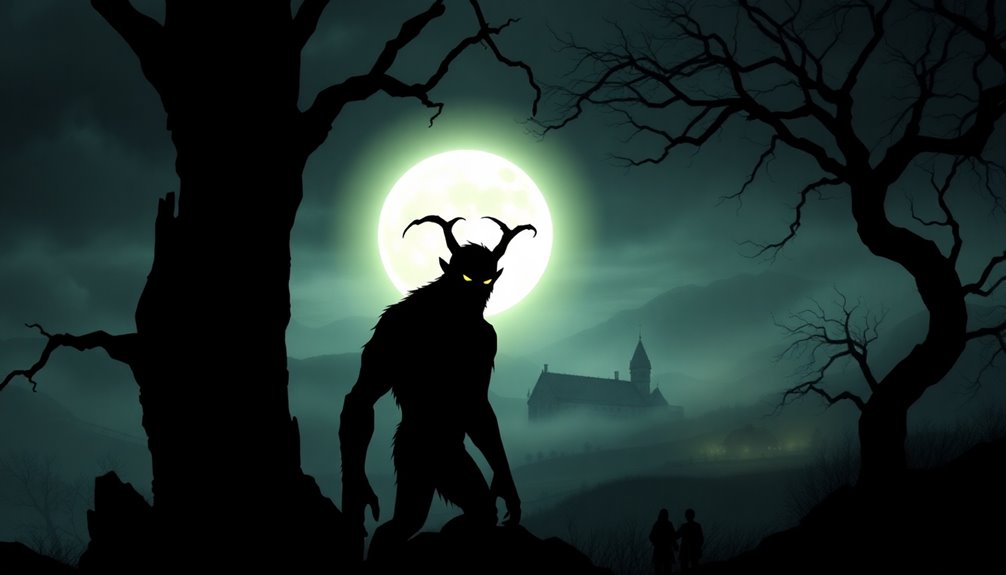
Grendel stands out as a sympathetic character primarily due to his internal struggles and existential reflections. As you explore his perspective, you realize he embodies the complexities of human nature, grappling with feelings of loneliness and a quest for meaning in a chaotic world.
His first-person narration reveals his thoughts, turning him from a mere monster into an anti-hero who critiques human behavior. While his actions may lead to tragic consequences, they’re often misguided rather than malicious.
You see humor in his playful interactions, which humanize him and challenge your perceptions of monstrosity. Grendel’s encounters with characters like Unferth and the dragon further showcase his self-awareness, deepening your empathy for this misunderstood creature. This complexity mirrors Bigger Thomas’s struggles with alienation, as he too navigates the burdens imposed by societal expectations and systemic racism.
How Does Gardner Explore Existential Themes Through Grendel?

In exploring Grendel’s journey, John Gardner weaves existential themes throughout the narrative, emphasizing the character’s struggle to find meaning in a chaotic and often brutal world.
Grendel’s experience highlights key existential concerns:
Grendel’s journey uncovers profound existential themes of isolation, purpose, and moral ambiguity in a chaotic world.
- Isolation: Grendel grapples with his loneliness, questioning his place in a world dominated by human conflict.
- Search for Purpose: His interactions with the dragon showcase the clash between nihilism and the desire for significance.
- Moral Ambiguity: Grendel’s reflections blur the lines between monster and human, challenging traditional concepts of good and evil.
Through these themes, Gardner invites you to ponder the complexities of existence, identity, and the human nature that intertwines with Grendel’s tragic quest for understanding in an unclear world. Furthermore, the exploration of systemic racism in literature, as seen in works like ‘Native Son,’ underscores the profound impact of societal structures on individual identity and purpose.
The Role of Humor in Humanizing Grendel

Grendel’s laughter, often mistaken for anger by the humans, highlights the absurdity of their fear, making him more relatable. Through witty exchanges with characters like Unferth, Grendel’s cynicism contrasts sharply with human bravado, further humanizing him. Gardner’s dark comedy allows you to engage with Grendel’s existential dilemmas while keeping things light-hearted. By presenting Grendel’s perspective through humor, you find yourself empathizing with his struggles, blurring the lines between monstrosity and humanity. In this way, monsters become more than just fearsome figures; they reflect our own flaws. Moreover, the use of humor in literature, much like in The Book Thief, underscores the power of storytelling to foster empathy and resilience in the face of adversity.
How Does Grendel Challenge Traditional Heroism?
Monsters often serve as stark contrasts to heroes, but Grendel flips this script by challenging our understanding of heroism itself.
John Gardner presents Grendel as an existentially aware antihero, prompting you to reflect on the nature of monsters and heroes.
Here are three ways Grendel disrupts traditional heroism:
- Humor vs. Bravado: Grendel’s witty critiques of human bravado, especially with Unferth, expose the absurdity of their heroic reputations.
- Moral Ambiguity: Beowulf, often seen as the quintessential hero, reveals flaws that complicate the archetype, making you question what true heroism entails.
- Search for Identity: Grendel’s quest for meaning blurs the line between hero and monster, inviting deeper reflections on human nature and morality. Additionally, his struggle for identity resonates with the importance of self-perception, emphasizing how our understanding of ourselves shapes our actions.
What Philosophical Ideas Are Presented in Grendel?
In “Grendel,” you’ll find a compelling clash between nihilism and the search for meaning.
As Grendel grapples with his identity and the chaos around him, he prompts you to question what truly gives life significance.
This exploration of existential themes invites you to reflect on your own beliefs about purpose and existence. Additionally, Grendel’s internal conflict mirrors the psychological impact of oppression, much like how Bigger Thomas navigates systemic racism in *Native Son* systemic racism and its effects on identity.
Nihilism Versus Meaningfulness
Nihilism pervades Grendel’s existence, casting a shadow over his quest for meaning in a chaotic world. In his encounters with the dragon, you see the embodiment of a materialist worldview that emphasizes life’s futility.
Grendel wrestles with this nihilism, revealing his struggle through key themes:
- The dragon represents the absurdity of life, challenging Grendel’s desire for significance.
- The Shaper, in contrast, transforms brutal reality into art, suggesting that narratives can craft meaningfulness.
- Beowulf’s heroic actions symbolize the human impulse to impose meaning, directly opposing Grendel’s nihilistic perspective.
Through these elements, Gardner raises profound questions about existence, art’s role, and our struggle to find significance amidst chaos.
Existentialism and Identity探索
Grendel’s journey reveals a profound exploration of identity as he grapples with the absurdity of existence. Through his quest for meaning in a chaotic world, you see how existentialism shapes his thoughts.
The dragon’s nihilistic viewpoint influences Grendel’s perception of his place within human society, complicating his search for purpose. As he reflects on his solitude and observes humanity, he questions the nature of self and significance in an indifferent universe.
Humor and irony pepper his narrative, highlighting the tension between his monstrous identity and relatable existential dilemmas. Grendel’s interactions with characters like the Shaper and Beowulf further illustrate the struggle between constructed meanings and life’s inherent chaos, reinforcing these deep existential themes throughout Gardner’s novel.
Why Does Grendel’s Perspective Matter in Understanding Monstrosity?
While many view Grendel as the quintessential monster of Beowulf, delving into his perspective reveals a deeper understanding of monstrosity itself. Here’s why Grendel’s viewpoint matters:
- Existential Struggle: Grendel grapples with his identity and purpose, questioning what it means to be a monster, much like his mother does.
- Human Connection: Through John Gardner’s lens, you see Grendel’s loneliness and need for connection, challenging the idea that monsters lack emotional depth.
- Moral Ambiguity: Grendel’s reflections expose the monstrous traits in humans, blurring the lines of heroism and villainy, prompting you to reevaluate societal values.
- Emotional Expression: Grendel’s experience of repression and emotional expression illustrates how suppressed feelings can lead to a profound sense of isolation and despair.
Conclusion
In exploring Grendel’s perspective, you uncover layers of humanity that challenge your understanding of monstrosity. Gardner’s portrayal transforms the infamous monster into a relatable figure, making you question what it really means to be human. Through humor, existential themes, and a critique of traditional heroism, Grendel’s story resonates like a thunderclap in a quiet night. Ultimately, recognizing Grendel’s complexity opens your eyes to the deeper truths about fear, alienation, and the gray areas of morality.