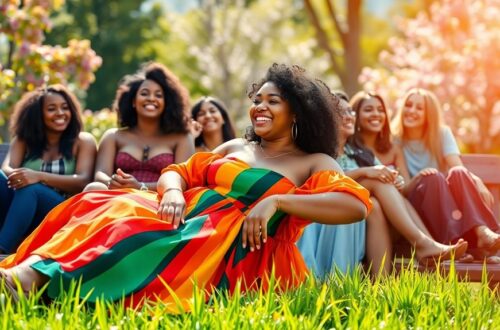
What makes America unique is its vibrant blend of the American Dream and deep-rooted optimism. You’ll find a melting pot of cultures, with over 40 million immigrants contributing to the nation’s strength. Sports and celebrations like Thanksgiving foster community, while unique traditions shape identity. The BBQ culture highlights hospitality, and innovations in technology and the arts showcase global influence. This rich tapestry reflects individualism and unity, promising even more fascinating insights as you explore further.
The American Dream: Individualism and Opportunity
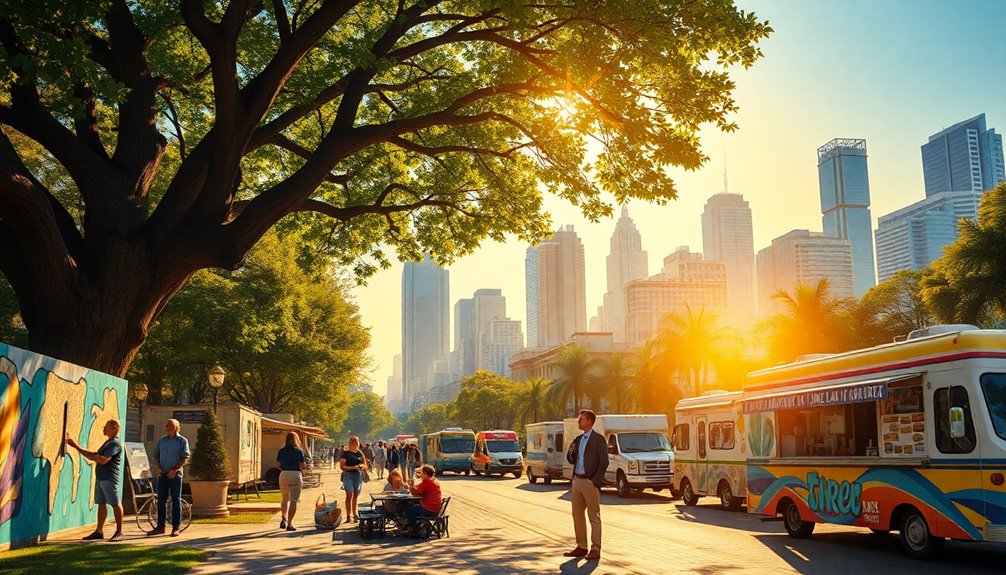
The American Dream, while often idealized, represents a powerful belief that anyone can achieve success through hard work and determination. This ethos thrives on the notion of individual rights, where nearly 75% of Americans emphasize hard work as key to getting ahead.
You’ll find that 57% of people reject the idea that success is solely influenced by external forces, showcasing a strong faith in personal agency. This focus on individualism encourages self-reliance and personal responsibility, setting America apart from more communal cultures. The Fourteenth Amendment further cements this by granting birthright citizenship, reinforcing the idea that opportunity is accessible to all. Despite systemic challenges, the belief in the American Dream fuels optimism and a sense of personal power in shaping your destiny. Moreover, the struggle against racial injustice reminds us that the pursuit of the American Dream is not equally accessible to everyone.
A Melting Pot: Celebrating Diversity and Immigration
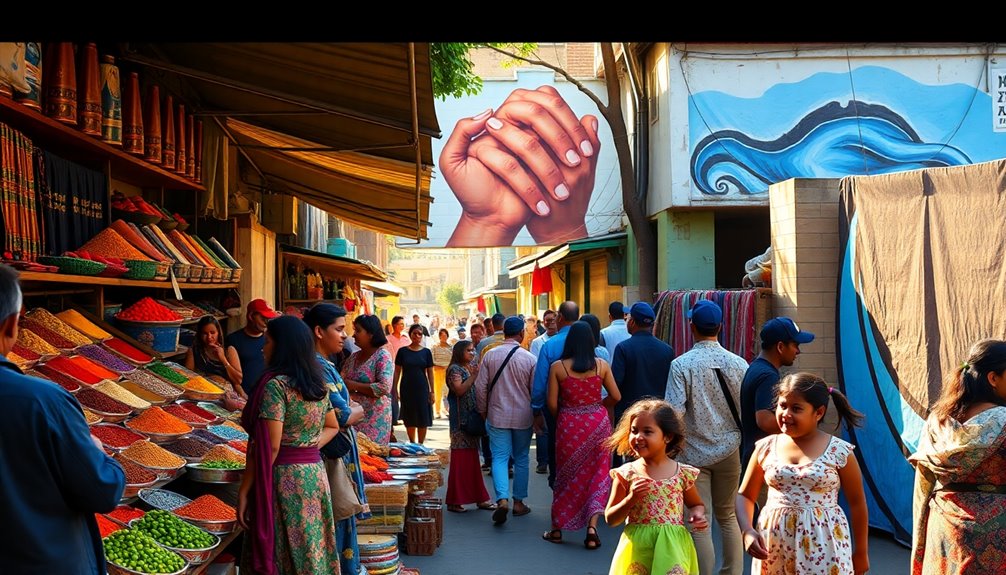
While many people view America as a land of opportunity, it’s equally celebrated for its rich diversity and vibrant immigrant communities. This melting pot of cultures, languages, and traditions is home to over 40 million immigrants, making up about 13.7% of the population.
These immigrants don’t just enrich the cultural landscape; they also greatly impact the economy, contributing around $2 trillion to the U.S. GDP annually.
Birthright citizenship encourages inclusivity, allowing anyone born on U.S. soil to become a citizen, which strengthens the nation’s commitment to diversity.
You can see this celebration of heritage in cultural festivals and food fairs, where communities come together to share their unique backgrounds, fostering mutual understanding and appreciation among all Americans. Moreover, understanding the systemic inequities inherent in American society can enhance our appreciation for the diverse experiences of these immigrant communities.
The Role of Sports in American Identity
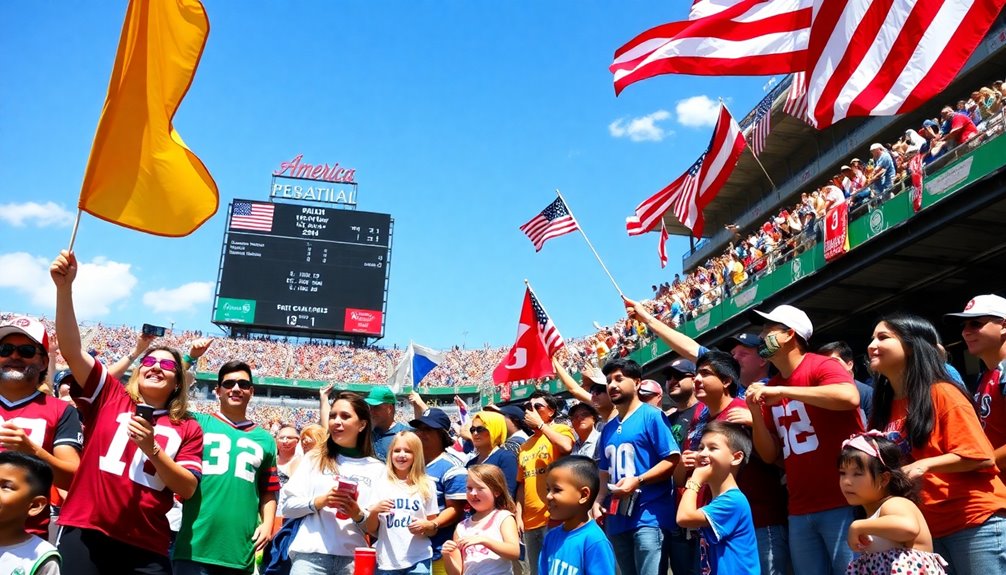
America’s rich cultural landscape extends beyond its diverse communities to the domain of sports, which plays a pivotal role in shaping national identity.
Sports serve as a cultural touchstone, fostering pride and community. Consider these key aspects:
- Local teams in leagues like the NFL, NBA, and MLB unite millions of fans across the nation.
- Major events, such as the Super Bowl and World Series, are celebrated as cultural phenomena with massive audiences.
- The variety of sports, from football to hockey, showcases regional preferences and enhances America’s sports tapestry.
- Youth sports participation instills teamwork and discipline, promoting a sense of belonging.
Through these elements, sports not only entertain but also embody the ideals of the American Dream, shaping the national identity. Additionally, the complexities of identity in sports often parallel the struggles seen in literature, highlighting the ongoing quest for acceptance and belonging.
Coffee Culture: Social Hub and Daily Ritual
You probably start your day with a cup of coffee, making it a comforting daily ritual.
Coffee shops aren’t just about the brew; they’re vibrant spaces where you connect with friends, brainstorm ideas, or simply unwind.
This blend of routine and community makes coffee culture an essential part of American life. Additionally, coffee shops often serve as community hubs, similar to independent bookstores, where diverse voices and local culture thrive.
Community Gathering Spaces
How do coffee shops become the heartbeat of communities across urban America? These vibrant community gathering spaces foster connections through a shared love for coffee, enhancing the American experience. Here’s how they contribute:
- Social Hubs: Locals engage in small talk, building relationships and strengthening community ties.
- Diverse Offerings: With choices like espresso-based drinks and cold brews, coffee shops cater to a wide range of tastes and preferences.
- Event Spaces: Many coffee houses host work meetings, social gatherings, and community events, serving as essential venues in contemporary life.
- Quality Focus: The rise of third-wave coffee emphasizes artisanal and ethically sourced options, reflecting a cultural shift towards sustainability.
In these ways, coffee shops truly embody the spirit of community and connection.
Daily Rituals and Routines
While many people rush through their mornings, coffee often serves as a comforting ritual that grounds daily routines. For over 50% of Americans, enjoying a cup of coffee daily is essential, marking the start of their day.
Coffee houses play an important role as social hubs, where friends and colleagues gather for informal chats and meetings. This reflects the American love for small talk and connection.
With a variety of styles—from espresso to cold brew—there’s something for everyone, showcasing regional preferences and trends.
In urban areas, cities like Seattle and Portland shine with vibrant coffee scenes, intertwining coffee culture with community events and seasonal promotions, solidifying its status as a significant part of local identity.
Unique Holidays: Traditions That Bring Us Together
Unique holidays in America bring people together, celebrating everything from family bonds to national pride.
Whether you’re sharing a Thanksgiving feast or watching fireworks on the Fourth of July, these traditions foster a sense of community and belonging.
As you participate in these events, you contribute to a rich tapestry of cultural diversity and remembrance.
Additionally, the immigrant experience reflected in these celebrations highlights the resilience and hope that define American culture.
Celebrating Cultural Diversity
America boasts a rich tapestry of holidays that celebrate cultural diversity and bring communities together. These unique observances reflect the spirit of American liberty while promoting shared values.
Here are a few standout examples:
- Independence Day (July 4th) – A vibrant celebration of national pride with fireworks and barbecues.
- Martin Luther King Jr. Day (third Monday in January) – Honors equality and community service, emphasizing social justice.
- Memorial Day (last Monday in May) – A day of remembrance for those who served, fostering patriotism across diverse backgrounds.
- Halloween (October 31st) – A playful occasion that unites people through costumes and trick-or-treating.
Through these holidays, you’re not just celebrating; you’re also embracing the rich cultural mosaic that defines America.
Family Gatherings and Traditions
Family gatherings during holidays create cherished memories that strengthen bonds and celebrate traditions.
Thanksgiving stands out as a major holiday where families unite to share a feast, featuring turkey and beloved side dishes.
Memorial Day, too, encourages family gatherings with barbecues, honoring fallen heroes while reinforcing communal ties.
On Independence Day, you enjoy parades and fireworks, gathering for picnics that foster togetherness.
Halloween brings creativity to the forefront as families engage in trick-or-treating and costume parties.
Additionally, holidays like Labor Day and Christmas often see family reunions, where extended families come together to share stories and traditions.
These unique celebrations highlight the importance of connection and the rich tapestry of American culture.
National Pride and Remembrance
While celebrating national holidays, you often find a deep sense of pride and remembrance woven into the fabric of American culture.
These unique celebrations highlight the values that unite you as a nation:
- Memorial Day – Honors military service members, reminding you of their sacrifices for freedom.
- Independence Day – Celebrated with fireworks and parades, it marks the adoption of the Declaration of Independence, fostering a patriotic spirit.
- Thanksgiving – Emphasizes family gatherings and gratitude, showcasing communal values that strengthen bonds.
- Martin Luther King Day – Encourages reflection on civil rights, promoting a commitment to equality and progress.
These holidays deepen your national pride and connect you to the shared history and values that define America.
The BBQ Tradition: Culinary Celebration of Community
BBQs stand out as a vibrant celebration of community, especially in the Southern states where culinary traditions thrive. These gatherings bring friends and family together, transforming backyards into lively spaces filled with laughter and delicious aromas.
You’ll savor regional specialties like Texas brisket and Carolina pulled pork, each bite reflecting local flavors and cooking techniques. Whether it’s ribs, burgers, or chicken, BBQ showcases the diversity of American cuisine.
Events like the Memphis in May World Championship Barbecue Cooking Contest highlight the importance of BBQ culture, attracting enthusiasts from all over. Ultimately, this tradition embodies values of hospitality and togetherness, making every BBQ not just a meal, but a heartfelt connection among those who share it. Additionally, much like the way hidden histories have reshaped our understanding of the past, BBQ traditions reveal the rich tapestry of American cultural identity.
Optimism in American Values: A National Character Trait
Here are some key aspects of this optimistic outlook:
Key aspects of the American optimistic outlook include a belief in hard work, prioritization of positive thinking, and a focus on individual achievement.
- Belief in Hard Work: Nearly 75% of Americans believe hard work is essential for success.
- Positive Thinking: Americans prioritize positive thinking more than those in other wealthy nations.
- Individual Power: The culture emphasizes individual achievement, often overshadowing systemic issues.
- Critique of Optimism: Critics like Barbara Ehrenreich warn that unchecked optimism may ignore real societal challenges.
This blend of optimism and hard work shapes the American identity, driving both personal and communal aspirations, much like the collective action seen in “The Help” as characters confront and challenge social injustices.
Innovations and Contributions: America’s Global Impact
America’s innovations and contributions have profoundly shaped the world, influencing everything from technology to culture. You can trace significant milestones in American history, like the Wright brothers’ first powered flight in 1903 and the Apollo 11 Moon landing in 1969. These innovations paved the way for advancements in aviation and space exploration.
The U.S. has also revolutionized global communication through the internet and cell phones, originating from American research. In healthcare, America leads in medical advancements, attracting global leaders for high-quality treatments.
Moreover, American universities produce a wealth of Nobel laureates and scientific publications. Culturally, genres like jazz, rock, and hip-hop have left a lasting impact, showcasing America’s unique ability to shape artistic expressions around the globe.
Conclusion
In the grand tapestry of life, you’ll find that America’s uniqueness shines through its blend of cultures, traditions, and values. From chasing the American Dream to gathering for BBQs, these elements come together to create a vibrant identity. So, whether you’re sipping coffee or cheering for your favorite team, you’re part of something bigger. Embrace the diversity and optimism that define this nation, and remember, it’s the little things that make the biggest impact.