
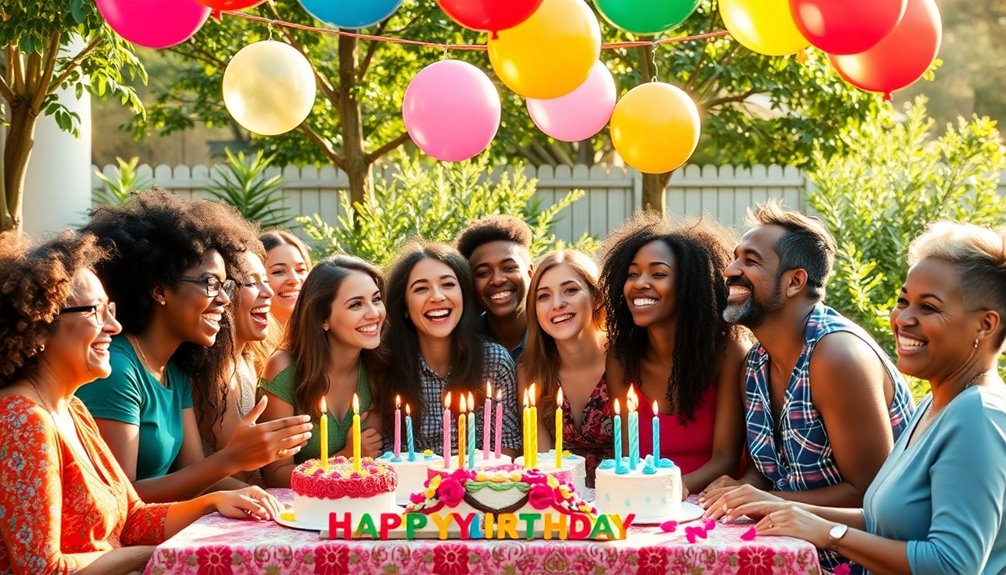
Celebrating birthdays isn’t just about cake and candles; it’s a meaningful reflection of your cultural values and personal identity. These celebrations mark milestones that help you connect with your past and envision your future. Each tradition you embrace strengthens your sense of belonging and enhances emotional ties. Friends and family join in to uplift your spirits and acknowledge your growth. Understanding this deeper significance can reveal much more about how you relate to yourself and others.
The Cultural Significance of Birthdays
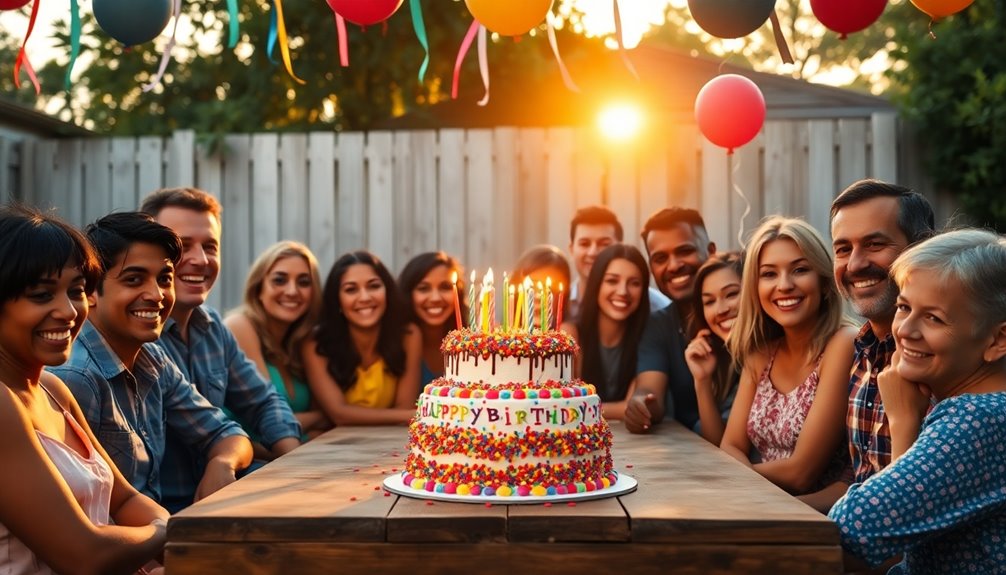
Birthdays hold deep cultural significance, as they often reflect the values and beliefs of different communities. Various birthday celebrations, like Mexico’s quinceañera or Japan’s coming-of-age ceremony, showcase how cultures honor key milestones in life.
These traditions shape your identity and how you perceive age at different life stages. You might notice that celebrating birthdays alongside culturally important holidays, like Cinco de Mayo, strengthens your ethnic identity and fosters a sense of belonging.
Historically, birthday rituals evolved from ancient practices honoring deities to modern celebrations emphasizing individual milestones. Cultural variations in these traditions highlight the importance of community and familial bonds, as seen in Germany’s Kinderfeste, reminding you that birthdays aren’t just personal; they’re deeply rooted in cultural identity. Additionally, the significance of the American Dream in literature illustrates how personal milestones, like birthdays, can symbolize broader aspirations and societal values.
How Birthdays Reflect Personal Identity
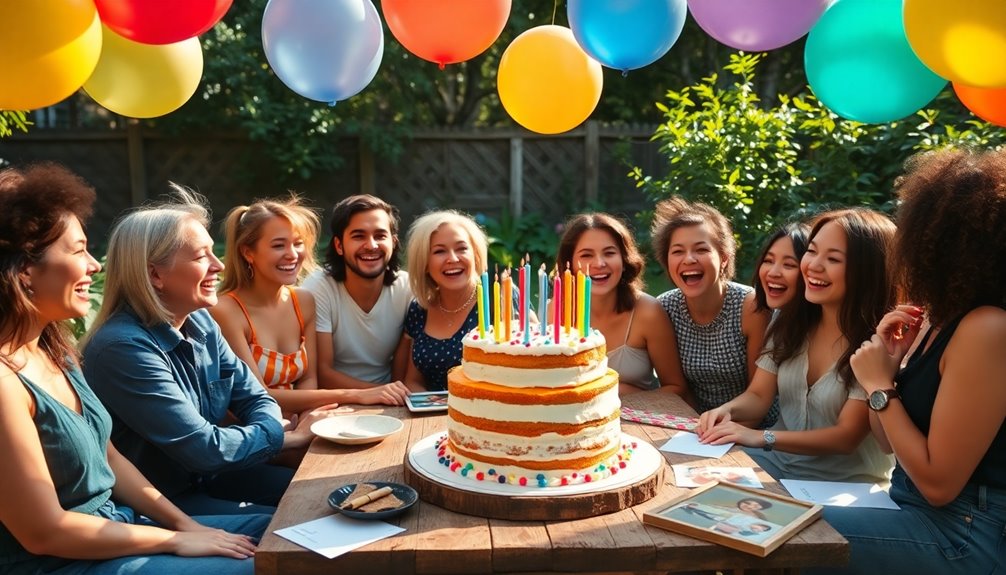
Birthdays aren’t just about cake and candles; they mark important milestones in your life. These celebrations reflect your cultural identity and strengthen social connections with those around you. Each year, you get the chance to celebrate who you’re and where you fit in the world, showcasing your resilience and determination as you navigate life’s challenges.
Personal Milestones Matter
Celebrating personal milestones can evoke a sense of reflection and growth, making each birthday a unique opportunity to acknowledge your journey.
Birthdays mark the passage of time and your individual development, underlining your evolving identity. They can boost self-esteem and alleviate loneliness, reinforcing how you see yourself in relation to others.
- Recognize achievements over the past year
- Reflect on personal growth and changes
- Connect with friends and family for support
- Embrace cultural differences in celebrations
- Consider the significance of age stages
Each birthday serves not just as a reminder of time passing but as a chance to celebrate your identity and how far you’ve come in your life’s journey.
2. Cultural Identity Expressions
While many people view birthdays as personal celebrations, they also serve as profound expressions of cultural identity. Your birthday culture is shaped by unique traditions and values specific to your background.
For instance, you might celebrate a quinceañera or partake in a coming-of-age ceremony, marking significant milestones that reflect both personal and cultural identity. As you gather with loved ones, these celebrations can deepen your sense of belonging, reinforcing ties within your community.
Psychological factors, like superstition, often influence the chosen date, reflecting the values you hold dear. Over time, trends in birthday selection have shifted, showing how societal norms impact your understanding of identity and the significance you attach to these special days.
3. Social Connections Enhanced
As you gather with friends and family to mark another year of your life, these moments become opportunities to deepen your social connections and enhance your personal identity. Birthdays serve as significant social events that reinforce your sense of belonging.
Celebrating with loved ones creates shared experiences, allowing you to reflect on your relationships and personal milestones.
- Strengthen emotional ties through shared rituals
- Validate your existence with heartfelt greetings
- Acknowledge personal growth over time
- Embrace cultural variations in traditions
- Foster appreciation and care in relationships
These elements highlight how birthdays enrich your social fabric, reminding you of the importance of connections and the collective joy of celebrating life together.
The Psychological Impact of Celebrating Birthdays

Celebrating your birthday isn’t just about cake and gifts; it’s a chance for self-reflection and growth. You get to evaluate your past year, recognize your achievements, and think about your goals ahead.
Plus, connecting with others during this time reinforces your social ties and cultural identity, reminding you that you’re part of something bigger. This celebration mirrors the enduring bonds found in familial relationships, highlighting the importance of connection and support in our lives.
Self-Reflection and Growth
Birthdays provide a unique opportunity for self-reflection and growth, prompting you to evaluate your achievements and set new goals. This special day encourages self-evaluation, allowing you to assess where you’ve been and where you want to go.
- Reflect on personal growth over the past year.
- Acknowledge milestones that shaped your journey.
- Identify areas for improvement and set future goals.
- Celebrate small victories that often go unnoticed.
- Embrace the comfort of rituals that reinforce your identity.
2. Social Connections Reinforcement
While you might see birthdays as just another day, they actually play an essential role in reinforcing social connections. Celebrating your birthday allows friends and family to express love and appreciation, strengthening those bonds.
These shared moments create lasting memories, enhancing your emotional well-being and fostering a sense of belonging. Psychological studies show that acknowledging birthdays can boost your self-esteem and reduce feelings of loneliness, as the rituals provide comfort.
It’s not just about the celebration itself; it’s the meaningful gestures that matter. Genuine acknowledgment, rather than mere calendar reminders, helps relationships thrive.
Ultimately, birthdays serve as a unique opportunity for personal reflection, reinforcing social connections as you navigate life’s stages and milestones with those who care.
3. Cultural Identity Expression
Acknowledging special days like birthdays isn’t just about personal milestones; it’s also a powerful way to express cultural identity. Celebrating birthdays intertwines with cultural traditions, enhancing your sense of belonging and connection to heritage.
Here are some key points to reflect on:
- Different ethnic groups celebrate birthdays alongside significant cultural holidays.
- These celebrations reinforce community ties for both parents and children.
- Psychological factors, like social identity and superstition, influence preferred birth dates.
- Shared cultural beliefs can shift perceptions of desirable birthdays over time.
- Birthdays symbolize collective identity, emphasizing human connections and shared experiences.
Birthday Traditions Across Different Cultures
Celebrating birthdays varies widely across cultures, each bringing unique traditions and meanings to the occasion.
In Germany, children’s birthdays are celebrated with full-day events called Kinderfeste, filled with games and treats, making the day someone’s special moment.
In South Korea, a baby’s first birthday, or Doljanchi, includes symbolic ceremonies and traditional foods, blessing the child’s future.
Meanwhile, Mexico’s quinceañera marks a girl’s progression to womanhood at 15, often celebrated with elaborate parties.
Japan recognizes a significant milestone at age 20 with a “coming of age” ceremony, while in the Netherlands, unique “circle birthdays” promote social gatherings on the day of birth and two days later if it’s a multiple of ten, fostering community connection.
These celebrations reflect how cultural traditions shape individual identities and community bonds across the globe.
The Role of Social Connections in Birthday Celebrations
Birthdays serve as significant touchpoints for social connections, strengthening the bonds between family and friends. When celebrating someone’s special day, people often gather to share joy and create lasting memories. These moments enhance emotional well-being and reinforce social ties.
- Acknowledging birthdays fosters feelings of love and appreciation.
- Celebrations can boost self-esteem and reduce loneliness.
- Children’s birthdays offer early lessons in community and belonging.
- Cultural variations in traditions emphasize shared experiences.
- Simple gestures, like wishes or gatherings, convey deep care.
Through these shared experiences, you deepen relationships and create a sense of belonging in your life. Ultimately, birthdays remind you that you’re not alone; they’re a celebration of connection. Moreover, the importance of education in shaping one’s identity can also be reflected in how we celebrate milestones like birthdays, as they often serve as opportunities for personal growth and community engagement.
Birthdays as Milestones in Personal Growth
As you reflect on your life, birthdays often serve as pivotal moments for evaluating personal growth and achievements. Each year, this day encourages you to assess how far you’ve come and what you’ve learned.
You might think back on childhood birthdays, where joy was abundant, to adulthood, where you recognize the passage of time and its impact on your identity. Milestones like turning 18 or 21 mark significant societal changes, shaping how you perceive yourself and how others see you.
Celebrating with friends and family not only boosts your self-esteem but also reinforces your sense of belonging. Embracing cultural traditions around birthdays deepens this connection, enriching your understanding of your identity and the community you’re part of. Additionally, the importance of personal responsibility in shaping one’s character can be reflected in how we celebrate and reflect on our growth each year.
The Influence of Technology on Modern Birthday Celebrations
With the advent of technology, birthday celebrations have taken on a whole new dimension. You can now connect with loved ones across the globe through virtual gatherings, making distance less of a barrier.
Digital greetings, like GIFs and e-cards, add a modern twist to traditional cards, allowing you to express your sentiments creatively. Instead of phone calls, video messages and group chats let you share personalized moments instantly.
The trend of “birthday dumps” on social media captures nostalgia and celebration, highlighting cherished memories and relationships.
- Enhanced social connections
- Creative expression through digital media
- Personalized interactions
- Celebrating milestones online
- Blending tradition with modernity
These advancements reflect the ongoing importance of valuing personal connections in our lives. Additionally, the emotional depth found in Christian romance fiction often mirrors the connections we celebrate on birthdays.
How Ethnicity Shapes Birthday Preferences
Ethnicity plays an essential role in shaping your birthday preferences, often connecting celebrations to cultural holidays.
For instance, you might find yourself embracing traditions linked to St. Patrick’s Day or Cinco de Mayo, enhancing your family’s identity.
These cultural ties not only influence the date you choose but also the rituals you incorporate into your celebrations. Additionally, the legacy of resistance movements emphasizes how cultural identity can inspire personal traditions and communal solidarity.
Cultural Significance of Holidays
Cultural backgrounds shape how families celebrate birthdays, often influencing the choice of dates based on significant holidays. For many, selecting a birthday that coincides with cultural holidays strengthens a child’s identity and connection to their heritage.
- Ethnic customs dictate preferences for birth dates, aligning with important festivities.
- Some parents avoid certain dates, driven by superstitions linked to specific holidays.
- Festive traditions around holidays create a shared sense of belonging within communities.
- Celebrations may evolve as societal norms shift, impacting holiday significance.
- These choices reflect deeper values, showing how ethnic identity intertwines with personal milestones.
Ethnic Traditions and Celebrations
When you consider how birthdays are celebrated, you’ll find that many ethnic traditions play a crucial role in shaping preferences for specific dates. For instance, Irish immigrants might choose to celebrate on St. Patrick’s Day, while Mexican families may favor Cinco de Mayo. These choices reflect cultural rituals and superstitions that influence what dates are deemed auspicious.
Parents often avoid birthdays tied to negative connotations, showcasing how ethnicity impacts decision-making. Additionally, festive foods and community gatherings enhance the celebration, reinforcing social identity within these groups.
The Effect of Major Holidays on Birthday Selection
Major holidays greatly influence how parents choose their children’s birthdays, often leading them to select dates that align with culturally meaningful events. This holiday influence can shape birthdate preferences considerably, reflecting cultural shifts over time.
Many parents view holiday birthdays as special, intertwining celebrations.
Historical data shows a strong preference for Christmas Day births in the early 1900s.
Events like 9/11 have prompted parents to avoid certain dates, affecting selection patterns.
Ethnicity can dictate which holidays hold more significance, influencing choices.
Over the past century, the popularity of holiday-associated birthdays has decreased, showing changing attitudes.
These factors illustrate how deeply intertwined our identities are with the dates we celebrate.
Birthdays and Their Connection to Self-Esteem
Celebrating your birthday often acts as a powerful boost to self-esteem, making you feel valued and appreciated by those around you.
The rituals of parties and gatherings foster emotional connections, reinforcing your sense of belonging. When friends and family share birthday wishes, it highlights your unique qualities and milestones, providing essential identity reinforcement.
This recognition not only elevates your self-image but also encourages self-reflection on your achievements and aspirations over the past year. Additionally, positive birthday celebrations can alleviate feelings of loneliness, enhancing overall well-being through social recognition. Furthermore, much like the immigrant experience depicted in literature, these celebrations can symbolize personal growth and resilience in the face of life’s challenges.
Superstitions and Beliefs Surrounding Birthdays
Birthdays carry more than just personal significance; they’re often steeped in cultural superstitions and beliefs that can influence how people view their special day. For instance, many parents avoid certain dates, like Halloween or Friday the 13th, due to negative associations. These superstitious beliefs vary across cultures and can shape birth preferences.
Some cultures favor specific holidays, like St. Patrick’s Day, for births.
Famous birthdays often enhance a child’s perceived identity.
Numerological influences link birth dates to personality traits.
Magical thinking connects certain dates to destiny.
Cultural variations shift over time, reflecting societal changes. Additionally, the complexity of love in various cultures can influence how individuals celebrate and perceive their birthdays.
Understanding these beliefs enriches your appreciation of birthdays and the identities they help shape.
The Evolution of Birthday Celebrations Over Time
Birthday celebrations have come a long way, evolving from ancient rituals to personal milestones.
You’ll see how cultural shifts and modern influences shaped these festivities into the individual celebrations we recognize today.
Let’s explore the historical milestones that mark this fascinating journey.
Historical Milestones in Celebrations
Throughout history, societies have marked significant milestones with unique celebrations, and birthdays are no exception. Ancient rituals like those of the Egyptians celebrated pharaohs’ coronation days as divine milestones.
The Greeks honored deities such as Artemis, introducing candles on cakes to symbolize light and offerings. Romans took this further, popularizing public birthday celebrations and establishing social norms.
By the 19th century, hospital births led to standardized birthday records, altering how you view birth dates. Today, modern celebrations reflect diverse cultural practices, emphasizing personal and collective identities, such as:
- Ancient rituals connecting birthdays to divinity
- Gift symbolism representing love and friendship
- Festival origins rooted in community
- The evolution of celebration methods
- The importance of milestones in shaping identity
Cultural Shifts and Traditions
Celebrations have shifted markedly over the centuries, transforming from grand public observances to personal milestones that reflect individual identities.
Ancient Egyptians marked pharaohs’ coronation days, while Greeks celebrated human birthdays, laying historical roots for modern festivities. The Romans popularized communal rituals, turning birthdays into occasions for friends and leaders alike.
Over time, cultural adaptations emerged, like Japan’s “coming of age” ceremony and Mexico’s quinceañera, showcasing diverse practices across the globe.
The tradition of placing candles on cakes, originating with the Greeks, symbolizes light and connection.
Recently, societal norms have shifted, leading to a decline in the significance of birthdays compared to major holidays, emphasizing how personal celebrations have evolved to mirror changing values and identities.
Modern Influences on Celebrations
As society evolves, the ways we celebrate birthdays have transformed considerably, blending tradition with modern influences. You might notice that today’s celebrations often reflect personal tastes and societal changes.
- Themed parties have gained popularity, showcasing creativity and individuality.
- Virtual celebrations have made it easier to connect with loved ones, regardless of distance.
- Digital greetings, like GIFs and social media posts, replace traditional cards, altering how we express affection.
- Gift expectations have shifted, focusing more on meaningful experiences rather than material items.
- Overall, modern birthdays emphasize personal significance, moving beyond mere commercialism to foster genuine connections.
This evolution not only highlights changing values but also illustrates how identity shapes the way we celebrate.
The Role of Birthdays in Childhood Development
While you might think of birthdays as just another day of cake and presents, they play an important role in childhood development. Celebrating birthdays marks significant social milestones, helping you shift from one age to another in a way that’s recognized by your peers and family.
These celebrations provide emotional validation, boosting your self-esteem and fostering a sense of belonging. As you gather with friends and family, you develop essential interpersonal skills and deepen friendships.
Birthdays also encourage self-reflection, prompting you to evaluate your growth and aspirations. Additionally, cultural variations in birthday celebrations can shape your identity development, instilling a sense of heritage and community that enriches your understanding of who you are.
Why Do Meaningful Celebrations Matter More Than Date?
Meaningful celebrations transcend mere dates on a calendar, offering profound opportunities for connection and reflection. They highlight the significance of emotional connections and identity recognition, enriching our lives in various ways:
- Foster social connections and strengthen relationships.
- Serve as milestones for self-reflection and personal growth.
- Reflect cultural values, showcasing diverse traditions.
- Emphasize shared experiences that bring joy beyond the specific date.
- Promote belonging and emotional well-being in a disconnected world.
In this celebration psychology, the essence lies not in the date itself but in the moments shared, the recognition of individuality, and the reinforcement of bonds.
Conclusion
Celebrating birthdays isn’t just about cake and candles; it’s a reflection of who you are and your connections with others. For example, think about a person who throws a big party every year. This tradition not only strengthens friendships but also reinforces their identity as a social being. By valuing these moments, you affirm your place in a community and create lasting memories that shape your sense of self. Meaningful celebrations truly matter more than the date itself.