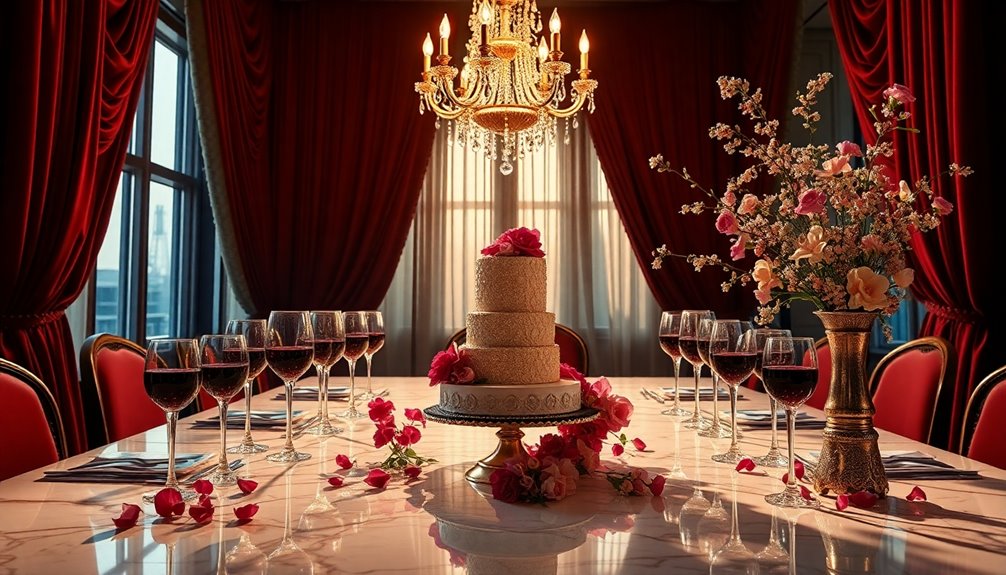
Decadence in literature reflects a society mesmerized by beauty and indulgence, often at the expense of morals. You’ll see characters engaging in hedonistic pursuits, revealing the clash between desires and societal expectations. Key authors like Oscar Wilde and Charles Baudelaire illustrate this complex dance of pleasure and decay, highlighting the darker sides of human experience. If you’re curious about the themes and impacts of decadence, there’s much more to explore on this fascinating topic.
What Does Decadence Mean in Literature?
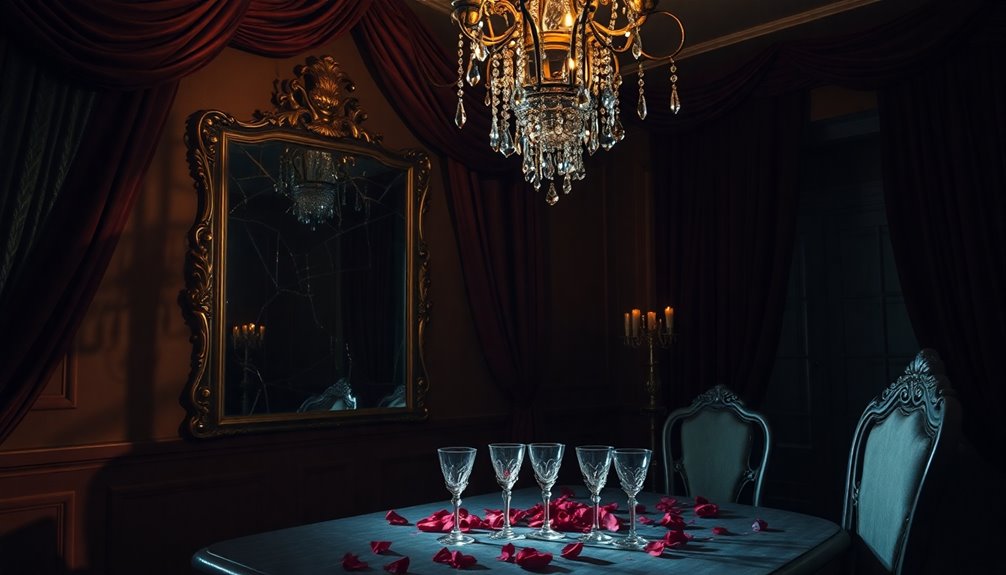
Decadence in literature often symbolizes a decline in societal morals, showcasing a world obsessed with beauty and indulgence at the expense of ethics. This concept, especially prominent in Western decadence during the late 19th century, reveals how excessive pleasure leads to moral decay.
Writers like Oscar Wilde and Charles Baudelaire explored themes of sensuality and artifice, using lush language to evoke vivid sensory experiences. Their works critique contemporary society, exposing the emptiness behind lavish lifestyles. This decline in morals mirrors the intense rivalry and personal sacrifices seen in Kane and Abel’s pursuit of success.
Historical Context of Decadence in the 19th Century
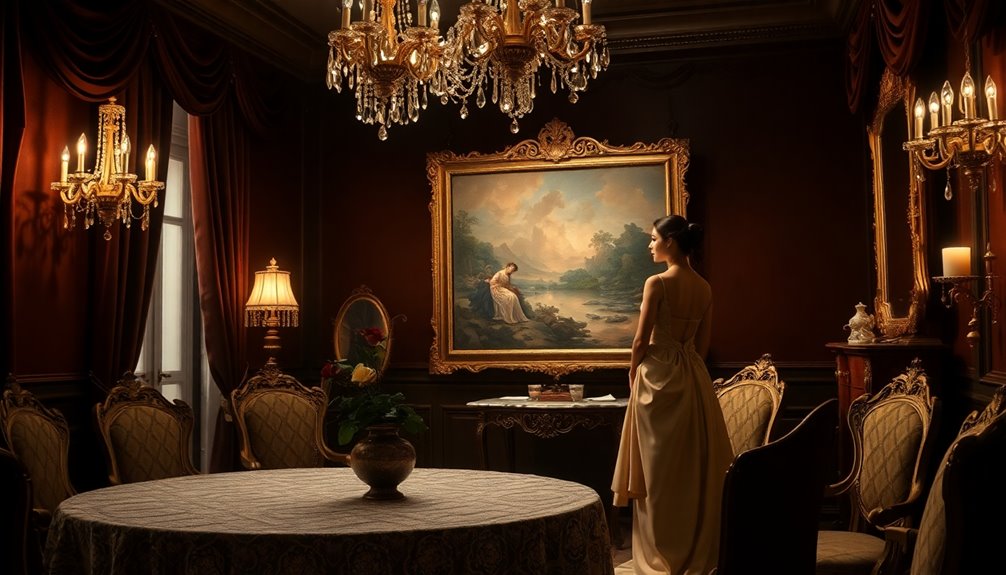
The late 19th century marked a significant shift in artistic expression as writers and artists reacted against the rigid norms of bourgeois society. The Decadent Movement emerged in France, embracing themes of excess and moral decline, reflecting anxieties about industrialization and modernity.
A pivotal transformation in artistic expression arose as the Decadent Movement in France challenged bourgeois norms, embracing excess and moral ambiguity.
You’d find:
- The haunting beauty of decay in Baudelaire’s poetry
- Wilde’s provocative explorations of sensuality and taboo
- Exotic imagery in Gustave Moreau’s paintings
- A rejection of conventional morality in decadent literature
- An alluring tension between beauty and moral decline
This period celebrated art and culture that pushed boundaries, inviting you to indulge in the seductive allure of decadence while questioning the very fabric of society. Dickens’s exploration of social injustices echoes the themes of moral critique found within the Decadent Movement.
Key Themes in Decadent Literature
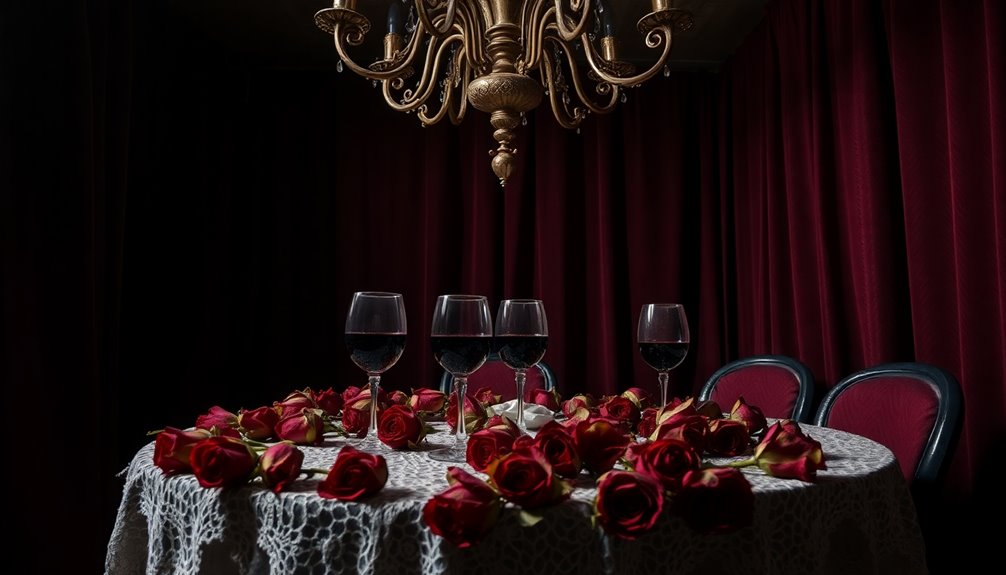
While exploring decadent literature, you’ll uncover key themes that reflect a society grappling with moral decline and excess.
Decadence often intertwines beauty with death and decay, portraying indulgence as both alluring and destructive. Characters frequently engage in hedonistic pursuits that challenge societal norms, critiquing the moral fabric of their time.
Rich, sensory language heightens the contrast between opulence and underlying corruption, as seen in “The Picture of Dorian Gray.”
Key motifs include obsession with the occult, exploration of forbidden desires, and a fascination with the grotesque, all of which highlight the complexities of human experience.
Through these themes, decadent literature invites you to reflect on the darker aspects of desire and society, echoing the exploration of moral ambiguity found in Tartt’s *The Goldfinch*.
Prominent Authors Who Explored Decadence
When you think about the authors who explored decadence, Oscar Wilde and Charles Baudelaire stand out. Wilde’s characters revel in beauty and excess, while Baudelaire’s poetry captures the allure of decay amidst urban life. Together, they paint a vivid picture of a world where pleasure and moral decline intertwine. This exploration of decadence resonates with themes of social justice found in contemporary literature, highlighting the complexities of human experience.
Oscar Wilde’s Indulgent Characters
- Lavish parties overflowing with opulence
- Fashion that defies societal norms, dripping in excess
- Sensual pleasures that blur the lines of morality
- Witty dialogues that reveal their superficiality
- A rebellious spirit against Victorian repressiveness
Through these vivid portrayals, Wilde critiques the very society that confines them, inviting you to reflect on the tension between beauty and moral degradation in a world obsessed with indulgence.
Baudelaire’s Poetic Decadence
Decadence in literature finds a powerful voice in Charles Baudelaire, whose seminal work, “Les Fleurs du mal,” captures the intricate dance between beauty and moral decay.
In his poetry, you’ll discover a fascination with sensuality and urban life, reflecting Baudelaire’s own battles with addiction and despair. He famously coined the term “spleen” to articulate a profound sense of ennui, highlighting the existential malaise that defines the Decadent movement.
Baudelaire critiques bourgeois values, positioning decadence as an artistic rebellion against societal norms. His influence resonates through later writers and artists, inspiring the Symbolist movement and shaping modernist aesthetics.
Through his poignant exploration of decay, you’ll find a rich tapestry of emotions that challenge conventional beauty.
Decadence vs. Excess: Understanding the Difference
When you think about decadence and excess, it’s easy to mix them up, but they represent different ideas.
Decadence signals a moral decline often linked to cultural deterioration, while excess simply refers to abundant indulgence without the same weighty implications. Understanding this distinction helps you appreciate the deeper themes in literature that critique society versus those that celebrate indulgence. The exploration of systemic racism in works like “A Lesson Before Dying” illustrates how decadence can manifest in societal injustices that dehumanize individuals.
Distinction Between Terms
Understanding the nuances between decadence and excess can deepen your appreciation of literature’s exploration of societal values. While both terms involve indulgence, they diverge considerably in meaning and implication:
- Decadence suggests a moral decline, where beauty masks despair.
- Excess simply indicates abundance, like a lavish feast without the moral weight.
- Literature often portrays decadence as a critique of societal norms.
- Excess can be celebrated for its joy and pleasure.
- Decadence intertwines sensory experiences with destructive consequences.
In essence, while excess may evoke delight, decadence often carries a somber warning about the risks of overindulgence, reflecting a deeper relationship with moral decline that shapes cultural narratives.
Cultural Implications Explored
As you explore the cultural implications of decadence versus excess, you’ll find that these concepts reveal much about societal values and human nature.
Decadence embodies a moral decline driven by excessive indulgence, often reflecting a society in crisis, like the lavish lifestyles of the Roman elite contrasted with the struggles of the lower classes. In contrast, excess merely highlights an overabundance of pleasure without the same moral weight.
The fin de siècle movement illustrates this tension, as artists celebrated self-indulgence while critiquing its consequences. Decadence evokes nostalgia for lost grandeur, whereas excess tends to celebrate abundance neutrally.
This complex interplay between pleasure and moral implications shapes cultural narratives and challenges how we perceive indulgence in our lives.
Moral Decline Connection
While decadence and excess might seem interchangeable, they diverge markedly in their moral implications. Decadence signals a moral decline, often tied to societal deterioration, whereas excess can exist without moral degradation.
Consider these contrasts:
- Decadent feasts that question our consumption ethics
- Extravagant lifestyles showcasing wealth without remorse
- Literary themes highlighting moral decay in characters
- Culinary indulgence that evokes guilt over pleasure
- Civilizational critiques linking decadence to societal collapse
In essence, decadence reflects a failure of values, while excess simply denotes abundance.
Recognizing this distinction helps you understand how literature portrays these themes, illustrating the fine line between mere overindulgence and a deeper moral crisis.
The Role of Setting in Depicting Decadence
Setting plays an essential role in depicting decadence, often immersing readers in opulent environments that reflect excess and moral decline. Lavish ballrooms and luxurious mansions symbolize the heights of indulgence, while crumbling palaces evoke a sense of decay.
These contrasting settings highlight characters’ internal struggles with their vices. Authors use ornate decor and lush landscapes to create a sensory overload, emphasizing themes of decadence and excess.
Historical contexts, like the decline of empires, further underline moral decay, inviting you to ponder the transient nature of wealth. For instance, the intricate plotting in The Daughters of Night serves as a backdrop that mirrors the power struggles and corruption of Victorian London.
Symbolism of Decadence in Art and Literature
When you explore the symbolism of decadence in art and literature, you’ll see a striking contrast between opulence and morality. This tension often highlights excessive indulgence and serves as a rebellion against societal norms. Additionally, the theme of forbidden love in works like *Like Water for Chocolate* illustrates how personal desires clash with societal expectations, further emphasizing the complexities of decadence.
Opulence Versus Morality
Decadence in literature often reveals a gripping tension between opulence and morality, where lavish lifestyles entice characters into a spiral of excess. You’ll find that works like “The Picture of Dorian Gray” vividly illustrate this struggle.
In these narratives, opulence often masks deeper decay, symbolizing a world intoxicated by beauty yet tainted by corruption.
Consider the following imagery:
- Glistening chandeliers illuminating decadent feasts
- Silken gowns flowing over marble floors
- Perfumed gardens hiding shadows of despair
- Glittering jewels set against hollow smiles
- Artworks depicting beauty on the brink of destruction
These elements showcase how decadence seduces, while morality crumbles, creating a haunting portrait of society’s inevitable decline.
2. Decadence as Artistic Rebellion
Art often rebels against societal norms, and decadence serves as a striking vehicle for this protest. In the late 19th century, the Decadent movement embraced themes of beauty, sensuality, and decay, challenging traditional values.
Authors like Oscar Wilde and Charles Baudelaire explored how excessive indulgence critiques moral constraints. This artistic rebellion often highlights the stark contrast between opulence and decay, as seen in Gustave Moreau’s lush yet morbid imagery.
Literature, too, reflects this struggle; in Thomas Mann’s “Death in Venice,” the protagonist grapples with societal expectations versus personal desires.
Today, modern interpretations of decadence reveal anxieties about consumerism, suggesting that the allure of indulgence not only defies societal norms but also exposes deeper cultural crises.
3. Symbolism of Excessive Indulgence
Excessive indulgence serves as a powerful symbol in both art and literature, representing the moral decline of society. You see this in works like Oscar Wilde’s “The Picture of Dorian Gray,” where the allure of decadence leads to despair.
Artists and writers explore this theme, capturing the complexities of human experience through vivid imagery:
- Lavish banquets overflowing with food
- Opulent settings draped in gold and silk
- Sensual encounters that blur morality
- Beautiful yet grotesque juxtaposition in visual art
- The haunting silence of decadent decay
These elements invite you to reflect on the consequences of excessive indulgence, revealing both the beauty and the deep moral implications woven into the fabric of society’s decline.
Famous Literary Examples of Decadence
While exploring the depths of human desire, you’ll encounter some of literature’s most striking examples of decadence.
Oscar Wilde’s *The Picture of Dorian Gray* vividly illustrates moral decay as Dorian indulges in sensual pleasures, leaving his portrait to bear the brunt of his actions.
Charles Baudelaire’s *Les Fleurs du mal* encapsulates the decadent movement, weaving beauty with decay and moral ambivalence.
Baudelaire’s *Les Fleurs du mal* masterfully intertwines beauty and decay, revealing the seductive allure of moral ambiguity.
In Joris-Karl Huysmans’ *Against Nature*, the protagonist’s hedonistic pursuits epitomize late 19th-century decadence.
Stéphane Mallarmé’s poetry highlights the tension between ephemeral beauty and indulgence’s moral implications.
Similarly, Thomas Mann’s *Death in Venice* critiques society, showcasing lush descriptions that reveal the delicate balance between allure and moral decay.
Each work invites you to reflect on the darker sides of desire. Wilde’s exploration of aestheticism and moral corruption serves as a cautionary tale about the consequences of unchecked hedonism.
How Does Decadence Reflect Societal Values?
When you look at decadence in literature, you can see how it mirrors the values of its time. It highlights the tension between wealth and morality, revealing how self-indulgence often overshadows communal responsibility. For instance, in novels like Gone Girl, themes of psychological manipulation and moral decay reflect contemporary societal anxieties about relationships and trust.
Cultural Indicators of Decadence
Decadence in literature serves as a mirror, reflecting societal values that prioritize indulgence and excess over ethical considerations. You can see this in various cultural indicators, showcasing a shift toward consumer culture and moral decline:
- Opulent soirées filled with lavish banquets and extravagant decor
- Celebrities flaunting wealth, becoming icons of superficiality
- Food trends showcasing extravagant presentations that overshadow health
- Art that glorifies excess, often critiqued for its disconnect from the common good
- The rise of luxury brands, emphasizing material wealth over community values
These markers highlight how decadence permeates modern life, revealing a society increasingly enamored with indulgence at the expense of deeper ethical considerations.
Morality and Self-Indulgence
As you explore the cultural markers of decadence, it becomes clear that this phenomenon reveals deeper societal values, particularly the tension between morality and self-indulgence.
Decadence acts as a mirror, reflecting moral decay in societies that grapple with excess. In historical contexts, like pre-revolutionary France, the stark contrasts between the elite and the masses often sparked social upheaval, illustrating how self-indulgence can lead to discontent.
Today, critics argue that the glorification of extravagant lifestyles in celebrity culture underscores a broader moral decline, overshadowing ethical considerations.
Literature frequently depicts this indulgence, showcasing how the pursuit of pleasure can result in dire consequences.
Ultimately, decadence serves as a reminder of the fragile balance between enjoying life and maintaining moral integrity.
Artistic Reflections on Society
Art reflects the complexities of society, and decadence serves as a potent lens through which we can examine cultural values. Through various artistic movements, you’ll see how decadence highlights societal decay, revealing the rift between wealth and ethical responsibility.
Consider these vivid images:
- Lavish banquets dripping with excess
- Characters lost in moral ambiguity
- Opulent mansions masking hollow lives
- Art that critiques the superficiality of bourgeois norms
- The haunting beauty in Wilde’s “Dorian Gray”
These portrayals challenge you to confront the consequences of hedonism and the relentless pursuit of beauty over virtue.
As you engage with these works, you’ll question the values that underpin your own society, reflecting on the fine line between indulgence and decline.
Modern Interpretations of Decadence in Contemporary Works
While many contemporary works explore themes of excess, modern interpretations of decadence often serve as a sharp critique of societal norms.
In modern literature, characters indulge excessively in pleasure, rebelling against conventional values. Works like “American Psycho” by Bret Easton Ellis highlight the moral decay tied to consumerism and the hollow pursuits of wealth.
Similarly, films like “The Great Gatsby” showcase lavish parties, emphasizing characters’ disconnection from reality and deeper moral values.
Recent poetry and prose investigate existentialism and self-indulgence, using decadence to reveal the fragility of modern identity.
Social media culture amplifies this spectacle, as influencers display extravagant lifestyles, blurring the lines between genuine experiences and curated images, ultimately questioning the meaning of fulfillment in a chaotic world. This exploration of moral bankruptcy in modern narratives encourages a deeper reflection on individual freedom and societal values.
The Aesthetic Appeal of Decadence
Decadence captivates with its lush beauty and sensory richness, drawing you into a world where excess reigns supreme. The aesthetic appeal of decadence unfolds in its lavishness, often juxtaposing opulence with themes of moral decline. Influential figures like Oscar Wilde embraced this tension, inviting you to explore deeper societal values.
You can vividly picture:
- Rich, vibrant colors that dance across the canvas
- Intricate details that evoke wonder and disillusionment
- Sensual imagery that entices the senses
- Luxurious fabrics that seem to beckon touch
- Elaborate settings that celebrate indulgent dishes
Through these elements, decadence becomes a feast for the senses, merging beauty with critique and inviting you to revel in its complexities.
Decadence in Culinary Arts: A Delicious Exploration
Indulgence takes center stage in the culinary world, transforming ordinary meals into extraordinary experiences. Decadence shines through in dishes featuring rich ingredients like butter, cream, and chocolate, elevating favorites like chocolate lava cake and truffle-infused risottos.
Chefs embrace this indulgent trend with extravagant presentations, showcasing oversized portions like the famous Giant Sundae. You’ll find unexpected flavor combinations, too—think bacon in desserts, perfectly blending sweet and salty.
Gourmet comfort foods, such as lobster mac and cheese or foie gras burgers, redefine traditional dishes with opulent ingredients.
Don’t forget beverages; cocktails like the Chocolate Martini and Gold Leaf Champagne epitomize luxury, highlighting the indulgent nature of culinary decadence. Immerse yourself in these delights and savor the rich flavors that await!
The Influence of Decadence on Popular Culture
As you immerse yourself in popular culture, you’ll notice how decadence weaves its way through various forms of expression, shaping everything from fashion to film.
Modern society revels in opulence, and this influence is evident in:
- Flamboyant fashion trends reminiscent of the 1980s and 90s
- Films like “The Great Gatsby” and “American Psycho,” exploring moral decay
- Music by artists like Drake and Cardi B, celebrating hedonism and wealth
- Over-the-top desserts and extravagant dining experiences in culinary trends
- Contemporary art that critiques societal norms through lavish aesthetics
Each element showcases how decadence captures our fascination with indulgence, pushing boundaries while inviting you to reflect on the allure of excess in today’s world.
Critiques of Decadence in Literature
While popular culture often celebrates the allure of excess, literature takes a more critical stance on decadence. Critics argue that the themes of decadence reveal a moral decline tied to excessive self-indulgence.
In the works of 19th-century French writers, decadence becomes an aesthetic choice that intertwines beauty with destruction. Oscar Wilde illustrates this tension, presenting decadence as both a form of artistic rebellion and a moral failing.
Poets like Charles Baudelaire and Paul Verlaine critique bourgeois morality, highlighting the seductive nature of vice. Even Boccaccio uses humor to expose clerical corruption, serving as a cautionary tale.
Today, modern critiques link decadence to consumer culture, echoing earlier literary concerns about the superficiality of lifestyles and the consequences of indulgence.
How to Identify Decadent Elements in Texts?
Decadent elements in literature often reveal themselves through themes of excess and moral decay. To identify these elements, look for:
- Characters indulging in lavish lifestyles, showcasing self-indulgence.
- Rich, ornate language that paints opulent settings.
- Vivid imagery of extravagant experiences, like sumptuous feasts.
- Critiques of societal norms, highlighting the consequences of decadence.
- Symbols such as decadent parties or luxurious foods that reflect ethical decay.
Conclusion
As you explore deeper into the world of decadence, you might find yourself questioning what truly defines elegance and excess. The allure of indulgence lingers in your mind, whispering secrets of forgotten passions and uncharted desires. Will you embrace the richness of decadent literature, or will you shy away from its intoxicating charm? The choice is yours, and the journey ahead promises to reveal more than just words—it may disclose a part of yourself you never knew existed.