
Fiction and nonfiction differ mainly in their foundations. Fiction comes from the imagination, featuring invented characters and plots, while nonfiction presents factual information about real events and people. Fiction invites you to escape into imaginative worlds for entertainment, while nonfiction satisfies your curiosity with real-life insights. Both genres engage you emotionally but in distinct ways. If you’re curious about how each genre impacts readers and their unique appeals, there’s much more to uncover.
Understanding the Basics of Fiction and Nonfiction
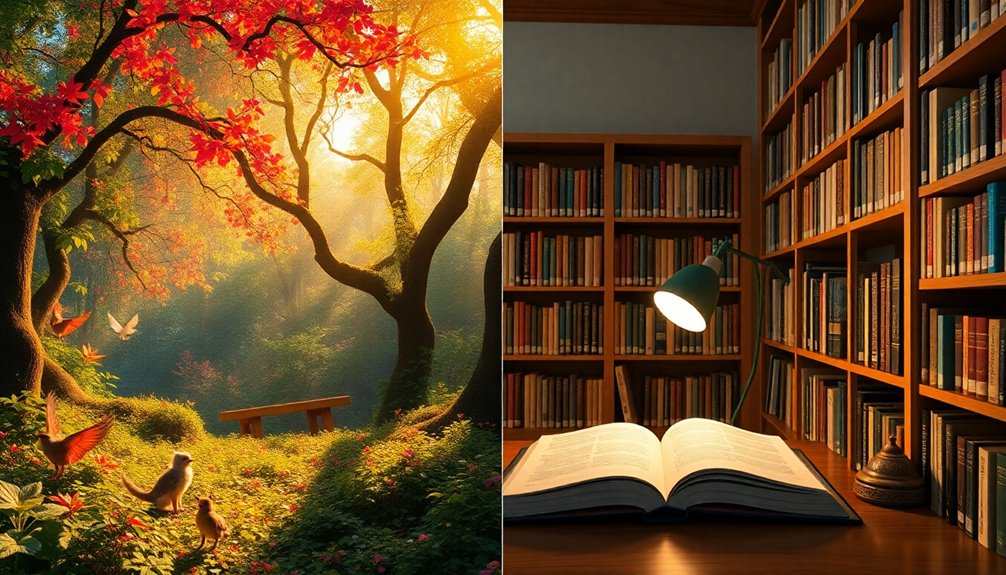
Fiction is crafted from the author’s imagination, featuring invented characters, settings, and plots designed primarily for entertainment and artistic expression. You’ll find that it explores themes and narratives, inviting you into worlds that don’t exist in reality.
Fiction weaves imaginative tales with invented characters and settings, inviting readers into captivating worlds beyond reality.
Nonfiction, on the other hand, presents factual information about real people, events, and places, aiming to educate and inform. It adheres to a higher standard of credibility and accuracy, often requiring verifiable sources.
Creative nonfiction even merges factual reporting with literary techniques, engaging readers emotionally while staying true to the facts.
Recognizing these distinctions enhances your literary appreciation and critical analysis, as each genre serves unique storytelling purposes. For instance, classic mystery novels like And Then There Were None showcase the imaginative storytelling found in fiction.
What Defines Fiction? Key Characteristics

Fiction thrives on imagination, allowing writers to create entire worlds filled with unique characters and compelling plots. At its core, fiction is imaginative storytelling, distinct from reality.
It encompasses various subgenres like mystery, romance, and science fiction, each offering diverse narrative styles and themes. In fiction, authors use literary techniques such as sensory details and pacing to enhance emotional engagement, drawing you deeper into the story.
Popular examples of fiction, like *Harry Potter* and *Diary of a Wimpy Kid*, illustrate how these crafted tales can resonate across ages. Additionally, fiction often explores themes of empowerment, reflecting on societal issues and personal struggles through its narratives.
Ultimately, fiction serves to entertain and provoke thought, exploring artistic expression while inviting you to experience new perspectives and adventures beyond everyday life.
What Defines Nonfiction? Key Characteristics
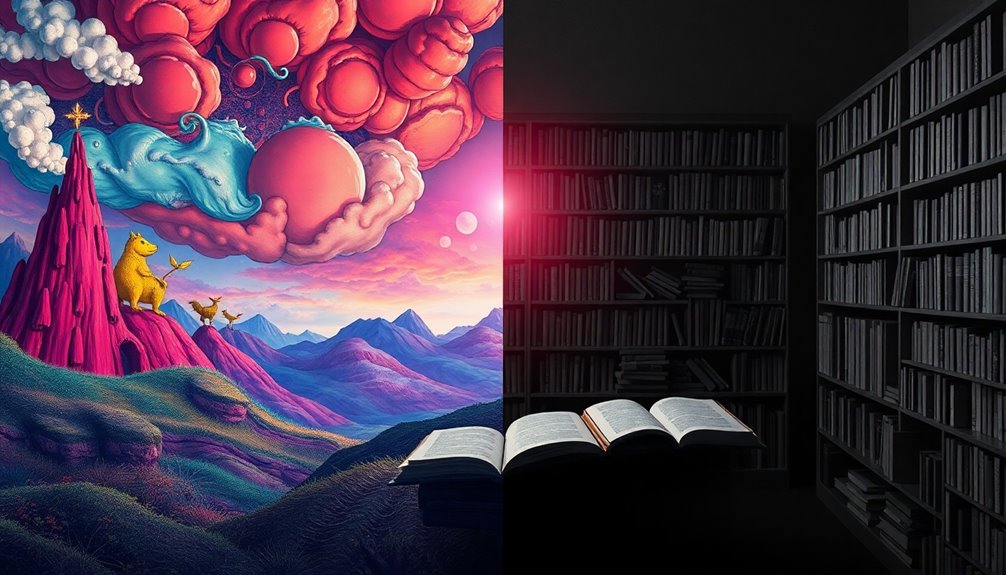
Nonfiction stands out for its commitment to factual accuracy, presenting real events, people, and information without embellishment. When you engage with a nonfiction work, you can expect:
- Credibility: It must be verifiable and grounded in reality, holding a higher standard than fiction.
- Variety: Nonfiction encompasses forms like biographies, essays, journalism, and historical texts, all aimed at educating readers.
- Creative Elements: Creative nonfiction blends factual reporting with artistic touches, making it engaging while sticking to the truth.
- Common Examples: Memoirs, travel writing, and informative articles aim to inform or persuade the audience effectively.
Additionally, nonfiction often serves as a source of inspiration, encouraging readers to embrace personal growth and resilience through the stories of others.
These key characteristics define nonfiction, ensuring you receive accurate and reliable information every time you explore a nonfiction work.
Exploring the Subgenres of Fiction and Their Appeal
While exploring the diverse world of fiction, you’ll find an array of subgenres, each uniquely crafted to captivate different interests.
Mystery fiction draws you in with suspenseful plots and puzzle-solving, keeping you on the edge of your seat as you uncover the truth.
If you crave emotional depth, romance fiction focuses on relationships and the complexities of love, often leading to personal growth amidst conflict.
For those fascinated by the future, science fiction invites you to ponder advanced technology and its societal implications, exploring imaginative worlds, such as those found in *The Hitchhikers Guide to the Galaxy* and *Dune*, which emphasize sci-fi’s impact on culture.
Meanwhile, fantasy fiction whisks you away to domains filled with magic and mythical creatures, challenging your perception of reality.
Each subgenre offers a distinct escape, appealing to your varied tastes in fiction.
Exploring the Types of Nonfiction and Their Impact
Nonfiction comes in many forms, from biographies to educational articles, each serving a unique purpose.
You’ll find that these types not only inform but also engage you on different levels, sparking curiosity and inspiring change. Understanding their impact can deepen your appreciation for the real stories and facts that shape our world. For instance, exploring the importance of informed consent in medical research reveals ethical dimensions that often go overlooked.
Types of Nonfiction Works
Literature offers a rich tapestry of nonfiction works, each type serving a distinct purpose and audience. Understanding the types of nonfiction works can enhance your appreciation of their impact. Here are four main types:
- Biographies: Immerse yourself in the lives of notable figures, like Kate Sessions in “The Tree Lady,” revealing their contributions and challenges.
- Essays: Explore personal reflections or critical analyses, allowing writers to engage with ideas and arguments.
- Journalism: Stay informed with factual reporting on current events, providing context and clarity.
- Instructional Texts: Gain practical knowledge through guides and how-tos that help you learn new skills.
Each type plays an essential role in shaping our understanding of the world and the people in it.
Educational Nonfiction Examples
Understanding the types of nonfiction works opens the door to a wealth of educational nonfiction that enriches our knowledge.
Biographies reveal the lives of significant individuals, showcasing their contributions to society. Magazines like *National Geographic* explore scientific topics and cultures, broadening your understanding of the world.
Informative books, such as *5,000 Awesome Facts*, present engaging facts that make learning fun for all ages. Textbooks lay the groundwork for subjects like math and history, supporting formal education with structured information.
Additionally, resources like *Guinness World Records* highlight remarkable real-life achievements, sparking curiosity and motivation through factual storytelling.
Together, these examples of educational nonfiction foster a deeper appreciation for the world around you.
Impact on Reader Engagement
While exploring various types of nonfiction, you’ll discover how they greatly enhance reader engagement. Here are four key ways nonfiction captivates you:
- Factual Insights: Nonfiction provides real-world knowledge, deepening your understanding of complex issues.
- Emotional Connection: Biographies let you connect with historical figures, inspiring you through their personal narratives.
- Accessible Learning: Educational nonfiction, like articles from National Geographic for Kids, makes information engaging and easy for younger audiences.
- Compelling Narratives: Creative nonfiction uses literary techniques to weave true stories, as seen in Capote’s *In Cold Blood*, pulling you into the narrative while staying factual.
Engaging nonfiction not only sparks your curiosity but also inspires lifelong learning and critical thinking.
The Role of Imagination in Fiction vs. The Role of Truth in Nonfiction
When you immerse yourself in the domain of fiction, you’ll find that imagination reigns supreme, allowing authors to craft vivid worlds and compelling characters that defy the limits of reality.
In this sphere, creativity enables you to explore complex themes and emotions, often reflecting the human experience through invented scenarios.
In contrast, nonfiction is firmly rooted in truth, providing factual information about real events, people, and places. Its primary aim is to educate and inform, focusing on accuracy and authenticity.
While it can incorporate creative elements to engage you, it must remain factually accurate to maintain credibility.
Ultimately, fiction stimulates your creativity, while nonfiction offers a reliable account of reality, each serving distinct, yet valuable, purposes. Moreover, the impact of literature, such as *Native Son*, demonstrates how systemic racism can shape narratives and provoke critical thought in both fiction and nonfiction alike.
How Creative Nonfiction Blends Genres
Creative nonfiction blends storytelling with factual reporting, making real events come alive.
You’ll find narrative techniques like character development and dialogue that draw you in emotionally, just like in fiction.
This genre transforms facts into relatable stories, creating a unique reading experience that keeps you engaged. Additionally, it often explores themes of spirituality, similar to how “Life of Pi” intertwines faith with survival.
Narrative Techniques in Creative Nonfiction
Although many people think of nonfiction as purely factual, narrative techniques in creative nonfiction elevate it into an engaging art form. By blending factual reporting with storytelling elements, authors create a compelling experience.
Here are some key narrative techniques that enhance creative nonfiction:
- Character Development: You’ll find real people portrayed with depth and complexity.
- Sensory Detail: Vivid descriptions immerse you in the setting and experience.
- Imagery and Dialogue: These elements evoke emotions and make the story relatable.
- Personal Reflections: Connecting personal experiences fosters a deeper emotional bond with the material.
This innovative blending of genres challenges traditional boundaries, appealing to both literary and factual audiences while keeping the commitment to truth intact.
Engaging Emotion Through Facts
Many readers don’t realize how effectively creative nonfiction can engage emotions through factual storytelling. By blending facts with narrative techniques, this genre captivates you while staying true to reality.
Authors like Truman Capote in *In Cold Blood* use vivid imagery and character development to pull you into real events, making them feel personal and relatable.
Creative nonfiction encompasses essays, memoirs, and journalism, all designed to present factual information engagingly. This approach not only informs but also fosters a deeper understanding of real-world issues and personal experiences.
When you read creative nonfiction, you experience stories that resonate, connecting facts with your emotions in a way that traditional nonfiction often doesn’t achieve.
Why Are Readers Drawn to Fiction?
Why do readers find themselves captivated by fiction? It’s the allure of imaginative worlds that offers an escape from real-life events. Here are a few reasons why fiction resonates with you:
- Emotional Connection: Complex characters and intricate plots allow you to empathize and feel deeply invested in their journeys.
- Thematic Exploration: Fiction tackles themes like love, conflict, and morality, prompting reflection on your own life.
- Imagination Stimulation: Engaging storytelling techniques spark your imagination, making the experience immersive and memorable.
- Safe Space for Growth: Fiction provides a way to confront fears and desires, facilitating personal growth and emotional catharsis.
Additionally, beloved works like *A Tree Grows in Brooklyn* illustrate how the immigrant experience can enrich the narrative landscape, offering insights into resilience and hope.
Through these elements, fiction enriches your life while offering both escapism and insight.
Why Are Readers Drawn to Nonfiction?
What draws you to nonfiction? It’s likely the grounding in reality that satisfies your curiosity and enhances your understanding of the world.
Nonfiction refers to factual accounts that not only inform but also evoke strong emotional connections through personal stories. You might find yourself relating to real-life struggles and triumphs, making the reading experience more impactful.
Additionally, nonfiction fulfills your desire to learn about diverse subjects—from history and science to self-help and biographies. It’s also a valuable resource for practical knowledge, offering insights you can apply in everyday life or professional settings.
With the rise of creative nonfiction, engaging storytelling techniques make learning even more compelling and enjoyable, drawing you in further. This is evident in works like *I Know Why the Caged Bird Sings*, where themes of resilience highlight how personal narratives can illuminate broader societal struggles.
Common Misconceptions About Fiction and Nonfiction
While nonfiction captivates with its grounded narratives and factual insights, misconceptions about fiction and nonfiction often cloud readers’ understanding. Here are some common misconceptions you might encounter:
- All nonfiction is entirely factual: Creative nonfiction blends factual reporting with narrative techniques, making it engaging while rooted in truth.
- Fiction is just “made up”: Fiction often draws inspiration from real events and emotions, reflecting societal issues.
- Nonfiction lacks creativity: Many successful nonfiction writers use literary devices to enhance storytelling and connect emotionally.
- All fiction is unrealistic: Genres like historical fiction accurately portray real events, merging imaginative storytelling with factual history.
Recognizing these misconceptions can deepen your appreciation for both fiction and nonfiction, as they often explore themes of faith and survival that resonate with personal experiences.
How Understanding These Genres Enhances Your Reading Experience
Understanding the difference between fiction and nonfiction sharpens your genre awareness and sets the stage for a richer reading experience.
It boosts your critical analysis skills, helping you assess credibility and appreciate artistic choices.
Plus, exploring both genres broadens your literary appreciation, revealing the diverse purposes stories serve.
Enhanced Genre Awareness
Recognizing the differences between fiction and nonfiction can greatly enhance your reading experience. When you understand these genres, you can:
- Engage Deeply: Critically analyze the intent behind the text, fostering a richer connection.
- Appreciate Craft: Identify imaginative elements in fiction, like character development and themes, enhancing your enjoyment.
- Evaluate Credibility: With nonfiction, assess the accuracy of information and the reliability of sources, which sharpens your critical thinking.
- Enjoy Blended Stories: Recognize creative nonfiction’s ability to merge facts with compelling narratives, making reality just as engaging as fiction.
Enhanced genre awareness not only enriches your reading but also empowers you to discuss literature more effectively, highlighting the unique differences that shape your preferences.
Critical Analysis Development
As you explore the nuances of fiction and nonfiction, your ability to critically analyze texts sharpens greatly. Understanding the distinction between these genres helps you set appropriate expectations for narrative structure and content, enhancing your engagement.
Familiarity with genre characteristics enables you to assess the author’s intent, whether it’s to entertain or inform, leading to a deeper comprehension of themes and messages. Recognizing how creative nonfiction blends factual accuracy with emotional depth enriches your appreciation for storytelling.
This awareness aids in developing critical thinking skills, allowing you to evaluate credibility and authenticity in nonfiction works. Analyzing the interplay between factual and imaginative elements fosters a nuanced understanding of how authors enhance storytelling and convey complex ideas.
Broadened Literary Appreciation
While diving into the world of literature, you’ll find that distinguishing between fiction and nonfiction can greatly enhance your reading experience.
Understanding these genres enriches your appreciation by allowing you to:
- Explore Narrative Techniques: Fiction’s imaginative storytelling brings characters to life, while nonfiction’s factual basis grounds you in reality.
- Foster Critical Thinking: Recognizing the real-world implications of nonfiction helps you assess the credibility of information.
- Evoking Empathy: Fiction connects you emotionally, deepening your engagement with themes and characters.
- Appreciate Artistry: Creative nonfiction blends creativity with real-life experiences, inviting you to savor the artistry involved.
Conclusion
In the grand library of literature, fiction and nonfiction are like two distinct wings, each holding treasures waiting to be discovered. By exploring their differences and nuances, you open the door to richer reading experiences. Whether you’re wandering through imaginative dimensions or diving into the depths of reality, understanding these genres helps you appreciate the stories that shape our world. So, pick a book, and let your journey begin—adventure awaits in every page!