

When naming your dragon, think about its personality, elemental traits, and cultural significance. Unique names can evoke strong imagery and emotions, creating a deeper bond with your audience. Draw inspiration from mythology or different languages to reflect your dragon’s powers and history. Consider names like “Nidhogg” for strength or “Frostine” for elegance. Discovering the perfect name enriches your dragon’s lore and enhances storytelling, revealing more hidden meanings as you explore further.
The Importance of Naming Your Dragon
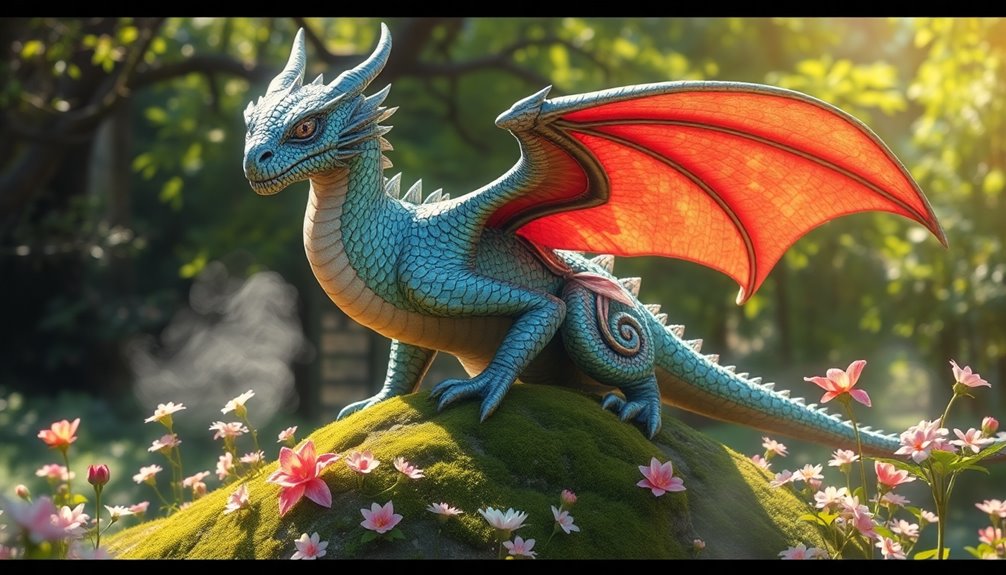
When you name your dragon, you’re not just picking a label; you’re reflecting its personality, abilities, and elemental traits. A dragon’s name can encapsulate its essence, enhancing its role in storytelling.
Unique names like “Saphira” or “Fafnir” connect your dragon to cultural or mythological significance, enriching the narrative tapestry. These Dragon Names evoke emotions and imagery, forging a powerful bond between the dragon and its audience.
Additionally, the act of naming symbolizes the trust and companionship shared between the dragon and its rider. By choosing a name that mirrors your dragon’s origins and powers, you deepen its legacy and importance in your story, making it not just a creature but a legendary dragon worthy of admiration. Furthermore, the naming process can evoke conversations about race and identity, enriching the character’s backstory and connections within the narrative landscape.
Traits That Influence Dragon Names

When you’re naming a dragon, consider how cultural significance and elemental associations can shape their identity. Names often reflect their powers, like “Blaze” for a fire dragon, or carry historical weight, such as “Tiamat” from ancient lore. Additionally, the grotesque figure of dragons in mythology parallels the complexities found in characters like Erik from Gothic literature, emphasizing the duality of beauty and horror in naming conventions.
Cultural Significance in Naming
While exploring dragon names, you’ll quickly notice that their cultural significance is deeply intertwined with the traits they embody.
Dragon lore often reflects societal values, with names rooted in ancient Mesopotamian mythology and other traditions. Here are some key aspects shaping dragon names:
- Mythological Roots: Names like Tiamat and Nidhogg represent powerful cultural narratives.
- Symbolic Colors: Colors influence perceptions; black dragons symbolize mystery, while red dragons embody passion.
- Linguistic Elements: Naming conventions draw from origin cultures, like “Xiuhcoatl,” meaning “fire serpent” in Aztec mythology.
These traits not only define the dragons themselves but also connect them to the cultures that created them, showcasing the rich tapestry of meaning behind each name.
Elemental Associations and Powers
Dragons often embody elemental powers that shape their identities and names, reflecting the forces of nature they control. For instance, fire dragons often have names like Blaze and Ignitus that evoke the intense heat and flames they wield.
Ice dragons carry names such as Frostine and Lumi, representing their coldness and resilience linked to winter. If you’re naming a water dragon, consider names like Aqualon and Kairyu, which highlight their fluidity and connection to oceans.
Additionally, air dragons, with names like Zephyron, symbolize the freedom and swiftness of the skies. Each name not only serves as an identifier but also encapsulates the dragon’s abilities and temperament, showcasing the rich lore surrounding these magnificent creatures.
Top 10 Most Popular Dragon Names and Their Meanings
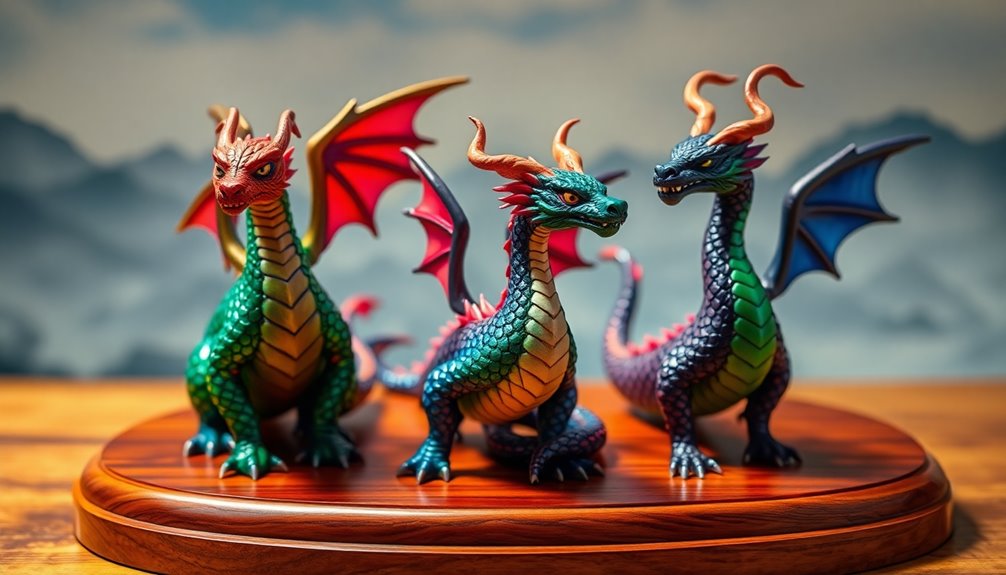
Let’s explore some of the most popular dragon names and what they really mean. Each name carries unique cultural significance and reflects the traits that make these legendary creatures so fascinating.
From the cunning Smaug to the loyal Drogon, these names tell powerful stories that resonate across cultures. The legacy of these names can be compared to the groundbreaking contributions made by unsung heroines and heroes throughout history, reminding us of the importance of recognizing impactful figures.
Iconic Dragon Names Explained
Exploring iconic dragon names reveals a rich tapestry of lore and symbolism that captivates fans across genres.
Take a look at these legendary dragons and what they represent:
- Smaug: This cunning dragon from *The Hobbit* embodies greed and destruction, showcasing the darker side of treasure hunting.
- Drogon: One of Daenerys Targaryen’s dragons, Drogon symbolizes power and ambition, essential in her quest for the Iron Throne.
- Tiamat: From Greek mythology and *Dungeons & Dragons*, this five-headed dragon goddess represents chaos and vast power, often serving as a formidable foe.
Each name carries unique meanings that enhance their stories, making them unforgettable figures in fantasy lore.
Cultural Significance Of Dragons
While often depicted as fearsome creatures, dragons hold profound cultural significance across the globe, embodying a range of traits from wisdom to destruction. In various traditions, dragons symbolize power and protection.
For instance, Tiamat, the five-headed goddess of chaos in Babylonian mythology, showcases this duality. Similarly, Nidhogg in Norse mythology represents destruction, gnawing at the roots of Yggdrasill, illustrating dragons’ complex roles as both creators and destroyers.
Names like Rhaegal from *Game of Thrones* highlight lineage and legacy, while Shenron from *Dragon Ball* embodies desires and aspirations, reflecting dragons’ benevolence.
Falkor, from *The NeverEnding Story*, symbolizes hope and guidance, reinforcing that dragons are often revered as protectors in cultural narratives around the world.
Unique Names for Your Dragon: Stand Out From the Crowd
When you’re naming your dragon, standing out from the crowd is essential to capture its unique essence and power.
To create unique names for your dragon, draw inspiration from various sources:
- Mythology: Consider names like “Nidhogg” from Norse mythology, symbolizing strength and depth.
- Elemental Characteristics: Use names such as “Frostine,” meaning “ice queen,” or “Embereth,” emphasizing your dragon’s elemental powers.
- Language Fusion: Combine different languages, like “Zmaj” (dragon in South Slavic), for an exotic twist.
These unique names for your dragon not only reflect its personality but also connect it to the rich tapestry of mythical creatures. For instance, historical stories often reveal themes of betrayal and empowerment that can inspire creative names that embody your dragon’s journey.
Mythical Inspirations: Dragon Names From Various Cultures
When you explore dragon names from different cultures, you’ll find fascinating contrasts and meanings. Norse mythology gives us fierce creatures like Nidhogg, while Asian legends celebrate dragons like Lóng, symbols of prosperity and good fortune. Understanding these unique inspirations can help you choose a name that truly resonates with your dragon’s character. Dystopian narratives often reflect the fragility of individual freedom through the portrayal of mythical creatures, much like the dragons that embody power and control.
Norse Mythology Dragon Names
Dragons in Norse mythology embody chaos and destruction, with names that resonate deeply within the tales of the North. These legendary creatures serve as powerful symbols, each with their own unique story.
- Nidhogg: This serpent gnaws at the roots of Yggdrasill, representing the relentless cycle of destruction.
- Fafnir: Once a dwarf, he transforms into a dragon, showcasing how greed can corrupt and devastate.
- Jormungand: Known as the Midgard Serpent, this colossal creature encircles the Earth and is fated to battle Thor during Ragnarok.
These names and their associated tales highlight the complex and often dark nature of dragons in Norse lore, making them unforgettable figures in mythological history.
Asian Dragon Legends
Across Asia, dragon legends captivate with their rich diversity and profound symbolism, representing everything from power and fertility to chaos and destruction.
The Chinese dragon, known as Lóng, embodies auspiciousness and is often linked to water and agricultural prosperity. In Hindu mythology, the Nāga emerges as a divine serpent, revered for its connection to natural elements.
Meanwhile, Filipino folklore tells of the Bakunawa, a colossal serpent believed to devour the moon during eclipses. Javanese mythology introduces Antaboga, a world serpent that plays a vital role in cosmology and creation.
Finally, the Neak, a Khmer dragon with cobra-like traits, showcases hierarchy through its multiple heads, reflecting the unique cultural significance embedded in these Asian dragon legends.
Elemental Names: Choosing Based on Your Dragon’s Powers
Choosing the right name for your dragon can enhance its identity and reflect its elemental powers. Elemental dragon names capture the essence of their abilities, making them feel more authentic.
Selecting a fitting name for your dragon enhances its character and mirrors its elemental strengths, adding authenticity to its presence.
For fire dragons, consider names like “Blaze” or “Embereth,” which evoke the heat and intensity of flames. If your dragon’s powers lean towards aquatic elements, names like “Aqualon,” meaning “water guardian,” can emphasize its fluid grace.
Here are a few ideas to inspire you:
- “Frostine” for ice dragons
- “Druk” for thunder dragons
- “Suncrest” for dragons associated with light
Additionally, selecting names that resonate with intricate plots can add depth to your dragon’s backstory and character.
Famous Dragons in Literature and Media: What Can We Learn?
While exploring the rich tapestry of literature and media, you’ll find that famous dragons often serve as more than just fearsome creatures; they embody deep themes that resonate with audiences.
For instance, Smaug from *The Hobbit* illustrates greed, while Drogon from *Game of Thrones* represents power, both reflecting the darker sides of human nature.
Tiamat, the five-headed goddess, showcases chaotic elemental forces, drawing from creation myths.
Haku from *Spirited Away* emphasizes identity and transformation, adding emotional depth.
Ancalagon the Black symbolizes ultimate evil, highlighting the catastrophic implications of dragon lore.
Conversely, Toothless from *How to Train Your Dragon* embodies friendship and loyalty, reminding us that dragons can also represent companionship and personal growth in contemporary stories. Additionally, dragons often serve as symbols of defiance against oppressive forces, reflecting the resilience of the human spirit in the face of adversity.
Gender-Specific Names: Naming Your Male or Female Dragon
When you’re naming your dragon, consider how gender-specific names can add depth to its character. Male dragons often embody strength and power, while female dragons connect to nature and mystique. Choosing the right name can enhance your dragon’s narrative and significance.
- Male dragons: Names like “Dracul” or “Ancalagon” signify dominance and ferocity.
- Female dragons: Names such as “Frostine” or “Tiamat” reflect nurturing qualities and elemental connections.
- Cultural significance: Incorporate names like “Xiuhcoatl” to highlight mythological roots. Additionally, these names can reflect cultural heritage that enriches the backstory of your dragon.
Tips for Creating Your Own Dragon Names
Creating your own dragon names can be an exciting journey into imagination and creativity, especially if you draw from various linguistic and cultural influences.
Start by combining elements from languages like Latin or Greek to reflect your dragon’s characteristics, such as “Ignivar,” meaning “fire strength.” Use descriptive adjectives tied to your dragon’s elemental affiliation, like “Frostine” for an ice dragon.
Explore mythology and folklore for inspiration, researching names like “Nidhogg” or “Tiamat” to enrich your dragon’s backstory. Consider your dragon’s personality traits, like wisdom, which could lead to a name like “Zephyron.”
Finally, experiment with alliteration or rhyme, crafting catchy names like “Misty Mistveil” for a stealthy dragon. Let your imagination soar!
The Role of Names in Dragon Lore and Storytelling
- Names reflect a dragon’s nature and abilities.
- Etymology provides insights into cultural significance.
- A dragon’s name can influence audience perception.
When you explore these elements, you’ll see how names not only enhance storytelling but also enrich the lore surrounding dragons. This makes them unforgettable in the minds of readers and audiences alike. Additionally, the strength and resilience of characters, like those found in empowering historical fiction, can inspire the naming of dragons that embody similar traits.
Conclusion
To sum up, naming your dragon is more than just a fun exercise; it’s a key part of their identity. Did you know that 70% of fantasy writers believe a character’s name shapes their personality? By choosing a name that reflects your dragon’s traits and background, you can enrich your storytelling and create a deeper connection with your audience. So, take a moment to craft a name that truly embodies your dragon’s essence—it’s worth the effort!