

The moral of *The Giving Tree* offers a complex view of love, showing how unconditional giving can slide into co-dependency. As the tree sacrifices so much for the boy, it raises questions about self-worth and gratitude. While some see it as a tribute to selfless love, others view it as a warning against losing oneself in the name of love. There’s much more to explore about the dynamics at play and the lessons they hold for us.
The Enduring Appeal of The Giving Tree
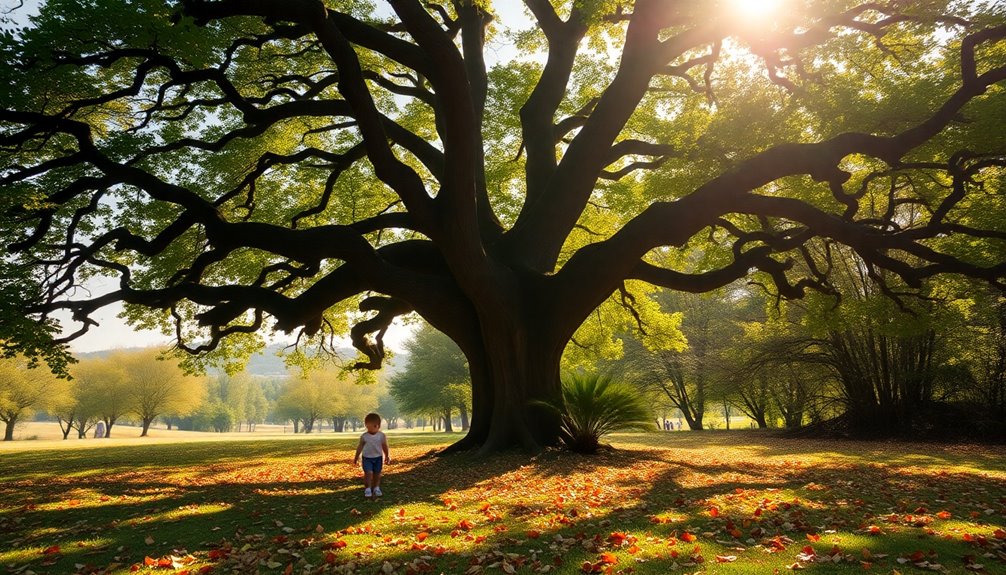
While many children’s books fade into obscurity, *The Giving Tree* remains a beloved classic that speaks to the hearts of readers young and old. This book explores love in its many forms—selfless, unconditional, and sometimes painful.
Its simplicity draws you in, but its deeper emotional complexities prompt you to reflect on the nature of giving and receiving. You might find yourself discussing the tree’s unwavering love and the boy’s reliance on it, sparking conversations about boundaries and sacrifice.
The story’s themes resonate across generations, making it a staple in classrooms and therapy alike. As you read, you realize *The Giving Tree* isn’t just a tale; it’s a lasting reminder of the delicate balance between love and co-dependency. Literature serves as a catalyst for emotional growth amidst chaos, much like the experiences shared in *The Giving Tree*.
Understanding the Relationship Between the Boy and the Tree
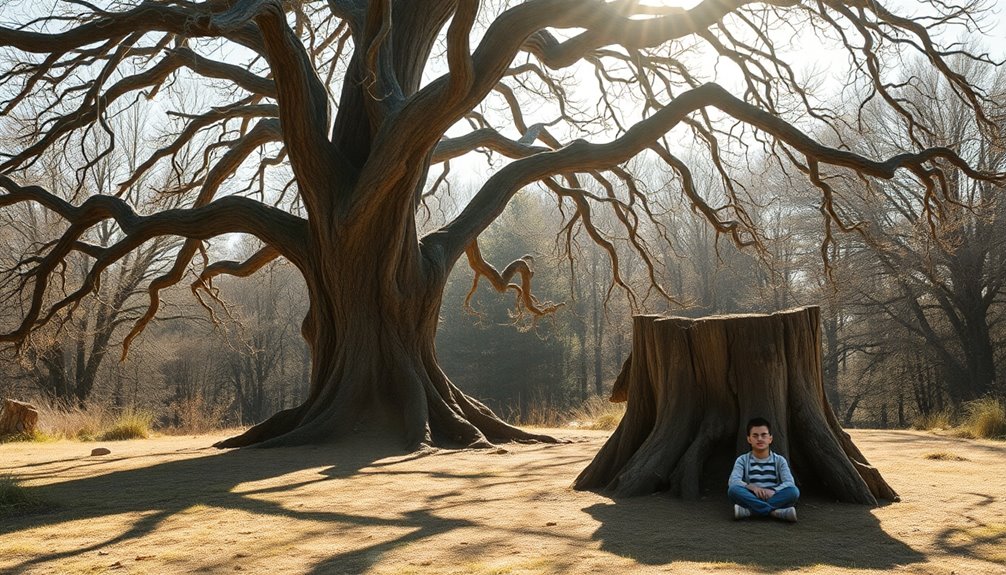
To understand the relationship between the boy and the tree, you need to contemplate the fine line between unconditional love and codependency.
As the boy grows, his escalating demands lead to the tree sacrificing more of herself, raising questions about identity loss.
This dynamic challenges you to think about the balance between giving selflessly and maintaining your own boundaries. Additionally, it prompts reflection on how societal expectations can shape identity struggles in relationships, similar to the experiences faced by Bigger Thomas in “Native Son.”
Codependency vs. Unconditional Love
The relationship between the boy and the tree serves as a poignant exploration of codependency versus unconditional love. The tree embodies unconditional love, giving endlessly without expecting anything in return.
However, this dynamic teeters on the edge of codependency, as the tree’s self-worth becomes tied to the boy’s happiness. You might notice how the boy’s selfish demands reflect a lack of gratitude, exposing potential exploitation within their bond.
The tree’s joy, despite her self-diminishment, raises critical questions about love’s true nature. Can unconditional love thrive without balance and mutual respect?
This story invites you to reflect on the fine line between selfless giving and enabling behavior, highlighting the necessity of establishing healthy boundaries in all relationships.
Sacrifice and Identity Loss
In examining the relationship between the boy and the tree, you can’t overlook the profound sacrifices made by the tree. It gives its apples, branches, and eventually its trunk, all to satisfy the boy’s endless desires.
As the boy matures, he continues taking without giving back, creating a one-sided dynamic that highlights the dangers of unreciprocated giving. The tree’s self-worth becomes tied to its ability to sacrifice, leading to its identity loss as it diminishes to a mere stump.
This illustrates how excessive sacrifice can erode one’s sense of self in relationships. The tree finds fleeting happiness in serving the boy, but ultimately, it raises critical questions about the balance between giving and maintaining individual identity.
Themes of Unconditional Love and Sacrifice in the Story
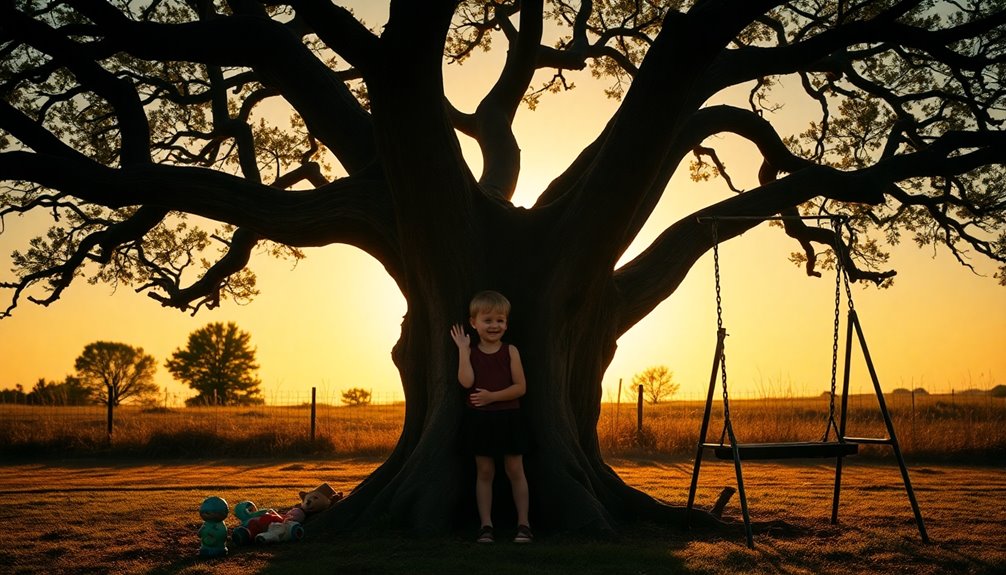
In “The Giving Tree,” you witness the powerful nature of unconditional love as the tree sacrifices everything for the boy without expecting anything in return. This selflessness brings its own joy, but it also raises important questions about the consequences of such giving. As you explore these themes, you’ll reflect on the delicate balance between love and the risk of creating dependency. Moreover, the story prompts a consideration of systemic issues related to the dynamics of love and sacrifice in relationships.
Nature Of Unconditional Love
Unconditional love shines brightly in “The Giving Tree,” showcasing the profound depth of selflessness through the tree’s unwavering sacrifices. The tree gives without expectation, illustrating selfless love that evolves with the boy’s changing needs.
This narrative invites you to ponder the complexities of love and sacrifice:
- The tree’s joy comes from the boy’s happiness, highlighting the fulfillment found in giving.
- Its sacrifices—apples, branches, and trunk—demonstrate extreme selflessness.
- Love adapts to circumstances, emphasizing its dynamic nature.
- The story raises questions about the balance between giving and losing oneself.
As you reflect on these themes, consider what unconditional love means in your own life and the potential impact of such self-expenditure on personal identity.
Sacrifice Without Expectation
While the tree’s sacrifices seem boundless, they also reveal the intricate dynamics of unconditional love and the risks that come with it.
The tree embodies the essence of sacrifice without expectation, giving everything it has to the boy without asking for anything in return. Each gift—apples, branches, trunk—symbolizes the profound lengths one might go for the happiness of another.
You can see how the tree’s joy arises from the boy’s enjoyment, showcasing the beauty of selfless love. However, this relationship also raises concerns about the potential for exploitation.
As you reflect on the story, consider the balance between loving someone selflessly and the dangers of losing your identity through excessive giving, an essential lesson for all of us.
Consequences Of Selflessness
Selflessness can be a double-edged sword, beautifully illustrating love yet often leading to painful consequences. In “The Giving Tree,” the tree’s unconditional love highlights the risks of giving too much without boundaries.
You might recognize these consequences:
- Exploitation: The boy’s increasing demands show how selflessness can lead to being taken for granted.
- Loss of Identity: The tree’s transformation into a stump symbolizes the danger of losing oneself in the act of giving.
- Resentment: When sacrifices go unappreciated, it can foster bitterness instead of love.
- Emotional Drain: Constantly prioritizing others’ needs can deplete your spirit and joy.
This narrative warns you about the fine line between love and self-destruction, urging you to maintain healthy boundaries in relationships.
The Impact of Generational Perspectives on Interpretation
How do generational differences shape our understanding of *The Giving Tree*? As a child, you might see it as a straightforward tale of love without conditions, focusing on the joy of giving.
However, as you grow older, your perspective shifts. Adults often recognize deeper themes of codependency and loss of self, questioning the tree’s unconditional sacrifices.
Teenagers, on the other hand, critically analyze the need for balance in relationships, considering the importance of mutual respect, like when the tree keeps some apples.
Each generation brings unique insights, revealing lessons about self-worth and boundaries. This evolving interpretation shows how different life experiences shape your understanding of the story’s moral lessons, fostering rich discussions across age groups. Additionally, the concept of resilience in literature is prominent in works such as *A Tree Grows in Brooklyn*, highlighting the complexity of relationships and personal growth.
Emotional Responses: Love, Gratitude, and Selflessness
In “The Giving Tree,” you’re faced with the tension between unconditional love and codependency.
As you reflect on the boy’s demands and the tree’s sacrifices, think about how gratitude plays an essential role in relationships.
This story challenges you to contemplate how selflessness can sometimes lead to a loss of identity. Embracing difficulties cultivates a deeper understanding of inner strength, as highlighted in various resilience narratives.
Unconditional Love vs. Codependency
While the tree in The Giving Tree embodies the essence of unconditional love, its relationship with the boy raises critical questions about the fine line between selfless giving and codependency.
You might find yourself reflecting on these key aspects:
- Selflessness vs. Self-Care: True unconditional love should honor both giving and personal well-being.
- Gratitude: A lack of appreciation can lead to feelings of resentment over time.
- Balance: Healthy relationships require mutual support, not one-sided sacrifice.
- Emotional Depletion: Constantly giving without receiving can drain your spirit and identity.
Understanding these elements can help you navigate your relationships, ensuring they reflect genuine love rather than unhealthy dependency.
Gratitude in Relationships
Gratitude plays an essential role in nurturing healthy relationships, as it fosters a sense of mutual respect and appreciation.
In “The Giving Tree,” the boy’s lack of gratitude for the tree’s sacrifices starkly illustrates the consequences of taking without giving back. This emotional imbalance prompts you to reflect on your own relationships, highlighting the need for reciprocal appreciation.
While children may focus on the joy of giving, adults often recognize that true fulfillment stems from acknowledging each other’s contributions. The tree’s unconditional love serves as a reminder that gratitude enriches connections, enhancing emotional responses and promoting balance.
Selflessness and Identity Loss
Though selflessness can be a noble trait, it often leads to a perilous journey toward identity loss, especially when one gives without limits. In “The Giving Tree,” the tree’s sacrifices illustrate this danger.
As you reflect on the story, consider these points:
- Selflessness can erode your sense of self, leaving you feeling depleted.
- Constantly prioritizing others’ needs may create a cycle of codependency.
- Unreciprocated giving can lead to feelings of resentment and emptiness.
- Love should inspire mutual growth, not self-neglect.
The tree’s transformation into a mere stump serves as a poignant reminder that while selflessness is admirable, it’s essential to maintain your identity and well-being in relationships.
Balance is key to fostering genuine love and gratitude.
The Duality of Giving: Altruism vs. Codependency
As you plunge into the tale of The Giving Tree, you’ll notice a complex interplay between genuine altruism and potentially harmful codependency. The tree’s unconditional love reflects a deep sense of altruism, yet as the boy repeatedly takes without giving back, you see the risks of one-sided relationships.
This dynamic raises questions about true generosity, as the tree sacrifices its identity, risking emotional depletion. Critics argue that while the tree seems selfless, it may also enable unhealthy dependency, highlighting the need for boundaries in giving.
For children, the tree’s sacrifices might appear noble, but as adults, you recognize the importance of balance and the dangers of codependency in relationships. Ultimately, it’s a cautionary tale about the duality of giving. Emotional independence is crucial to fostering healthier, more balanced relationships where giving and receiving coexist harmoniously.
Analyzing the Tree’s Self-Expenditure and Happiness
As you consider the tree’s self-expenditure, think about how its constant giving leads to its own diminishment.
Despite losing almost everything, the tree still claims happiness, raising questions about the nature of true joy in sacrificial love.
This brings to light the need for boundaries in giving relationships—can you still find fulfillment while giving so much of yourself? Moreover, the narrative emphasizes the need for collective responsibility in confronting systemic issues, highlighting the importance of personal boundaries in relationships.
Self-Diminishment vs. True Happiness
While the tree in The Giving Tree finds joy in giving everything to the boy, its journey raises important questions about the nature of true happiness.
As you reflect on the tree’s self-diminishment, consider these points:
- True happiness shouldn’t be rooted in sacrifice that erodes your identity.
- Unconditional love can lead to emotional depletion if it’s one-sided.
- The tree’s contentment may obscure the pain of losing itself.
- Genuine fulfillment comes from nurturing both yourself and your relationships.
These insights challenge you to examine whether the tree’s happiness is real or merely a mask for its sacrifices.
The narrative invites you to seek a balance between giving and self-preservation, ensuring your happiness doesn’t come at the cost of your essence.
Nature of Sacrificial Love
Sacrificial love, as depicted in The Giving Tree, reveals a profound yet troubling dynamic between self-expenditure and happiness. The tree continuously gives everything it has to the boy, from apples to branches, ultimately becoming a mere stump.
Despite this self-diminishment, the tree claims happiness, complicating the nature of true fulfillment in giving. You might wonder if such unconditional love is sustainable, as the tree loses its identity and energy through excessive giving.
While the tree’s joy stems from the boy’s satisfaction, it mirrors the sacrificial nature of parental love, raising concerns about potential codependency. This narrative illustrates that while sacrificial love can be beautiful, it risks overshadowing one’s well-being, emphasizing the need for balance in giving and self-care.
Boundaries in Giving Relationships
When you examine The Giving Tree, it becomes clear that the tree’s self-expenditure raises crucial questions about boundaries in giving relationships.
The tree’s unconditional love leads to her own diminishment, illustrating the dangers of neglecting self-care.
Consider these key points about boundaries:
- Excessive giving can result in losing your identity.
- Happiness shouldn’t solely depend on others’ well-being.
- Unchecked self-sacrifice fosters unhealthy dynamics.
- Establishing boundaries is essential for maintaining personal fulfillment.
Cultural Norms and Their Influence on Giving Behavior
Cultural norms shape how you perceive and practice giving, often setting expectations that prioritize others’ needs above your own well-being. In many societies, selflessness isn’t only encouraged but romanticized, particularly for women. This glorification promotes the idea of giving until you’re depleted, overlooking the potential negative consequences.
The narrative of The Giving Tree illustrates these pressures through the tree’s relentless giving, reflecting societal expectations around sacrifice. However, research shows that excessive altruism can lead to mental health issues, emphasizing the need to balance generosity with self-care. This dynamic mirrors the systemic discrimination faced by individuals in marginalized communities, as illustrated in the struggles of characters in *A Lesson Before Dying*.
Lessons on Boundaries in Relationships From the Giving Tree
While the story of The Giving Tree beautifully illustrates the joys of generosity, it also serves as a poignant reminder of the importance of setting boundaries in relationships.
You can learn several lessons about boundaries from this narrative:
- Generosity shouldn’t come at the expense of your own happiness.
- Self-care is essential; neglecting it can lead to a loss of self-worth.
- Relationships should be mutual; one-sided giving can foster resentment.
- Healthy boundaries promote sustainability in relationships, preventing codependency.
- Like David’s internal struggles in *Giovanni’s Room*, the complexities of desire can challenge our understanding of love and self-worth.
Critiques of The Giving Tree: Is It an Abusive Relationship?
The Giving Tree’s narrative raises significant questions about the nature of love and sacrifice, especially when viewed through the lens of relationship dynamics. Critics argue that the story depicts an abusive relationship, where the tree’s selflessness results in its own demise while the boy continually exploits its generosity. His constant demands and lack of gratitude highlight a toxic pattern, reinforcing the idea that selfless giving can lead to one-sided relationships. This dynamic raises concerns about unconditional love, as it often enables dependency rather than fostering healthy connections. The narrative challenges you to reflect on your own relationships, urging you to contemplate the fine line between genuine love and co-dependency, and whether true love should involve such sacrifice without reciprocity. Furthermore, this theme resonates with the systemic racism explored in Native Son, illustrating how societal structures can foster unhealthy dynamics in relationships.
Navigating the Complexities of Parental Love and Sacrifice
When examining parental love, the complexities of sacrifice often become evident, as illustrated by the tree’s unwavering devotion in The Giving Tree. This narrative prompts you to reflect on how parental love can sometimes blur into self-neglect.
It’s essential to recognize the potential risks involved, such as:
- Prioritizing your child’s wants over your own needs.
- Sacrificing your identity for the sake of your child’s happiness.
- Enabling behavior that leads to exploitation.
- Losing sight of the balance between nurturing love and self-care.
These elements highlight the fine line between genuine love and detrimental sacrifice, urging you to find a healthier approach to parental relationships that honors both your needs and those of your child.
The Role of Gratitude in Healthy Relationships
Gratitude enhances the fabric of healthy relationships, creating a foundation of mutual respect and appreciation. When you express gratitude, you acknowledge the efforts and sacrifices of others, strengthening your interpersonal bonds.
In “The Giving Tree,” the boy’s lack of gratitude underscores the significance of recognizing the support we receive. Research shows that gratitude not only boosts relationship satisfaction but also prevents feelings of exploitation and resentment.
For healthy dynamics, both parties must appreciate each other’s contributions. Teaching children about gratitude helps them develop a balanced perspective on giving and receiving, promoting emotional maturity.
Insights From Literary Critics on the Giving Tree
While many readers cherish “The Giving Tree” for its themes of unconditional love, literary critics present a more nuanced examination of its underlying messages. They highlight several significant points about the story’s depth:
- The tree’s selflessness may reflect parental love but also hints at exploitation by the boy.
- Some view the tree’s sacrifices as noble, while others see them as tragic and enabling.
- The narrative’s simplicity contrasts with complex societal issues like greed and self-sacrifice.
- Critics stress the importance of boundaries, suggesting that true love incorporates self-care.
These insights encourage you to reconsider the balance between giving and maintaining healthy relationships, prompting reflection on what love truly means.
Encouraging Meaningful Discussions Around The Giving Tree
How do we truly understand the complexities of love and sacrifice? “The Giving Tree” offers a unique opportunity to explore these themes through engaging discussions.
By examining the tree’s unconditional love, you can prompt conversations about the implications of over-giving and the potential for codependency. This book serves as a powerful tool for different generations to express varied interpretations of selflessness versus self-care.
Examining the tree’s unconditional love sparks vital discussions on over-giving, codependency, and the balance between selflessness and self-care.
Encourage children to reflect on gratitude and reciprocity, helping them grasp the balance between giving and receiving. In educational settings, discussing personal experiences can highlight the importance of establishing healthy boundaries while nurturing connections.
Ultimately, “The Giving Tree” invites meaningful dialogue about the sacrifices we make in relationships and their consequences.
Conclusion
In the end, “The Giving Tree” stands as a symbol of love’s duality. It invites you to ponder on the balance between giving and receiving, like a tree that needs sunlight to thrive. While the tree’s selflessness warms your heart, it also nudges you to contemplate the boundaries of love. Embrace the lessons within its leaves, and let them inspire you to cultivate relationships where gratitude blooms, ensuring that both giver and receiver flourish together.