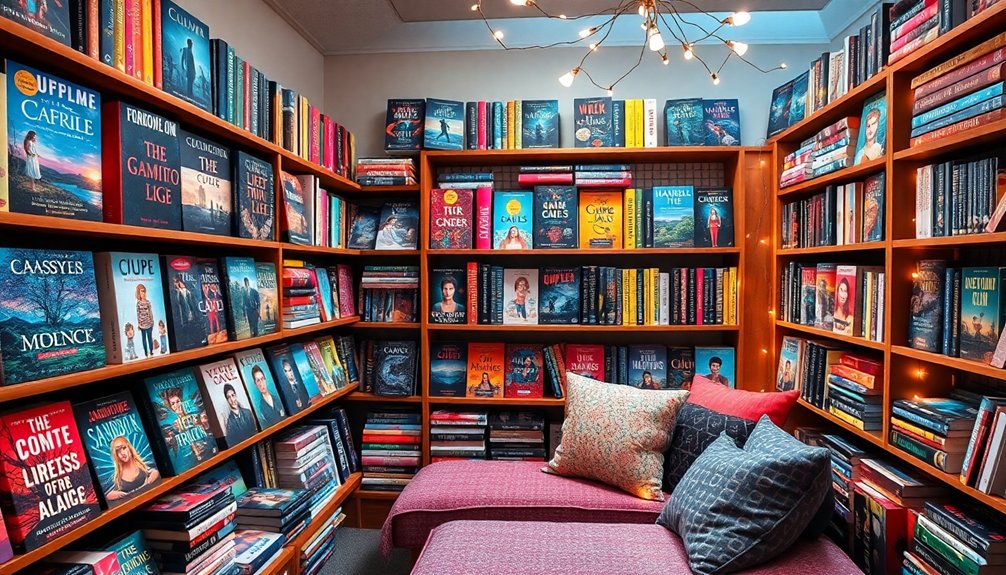
Young adult fiction is buzzing with trends that’ll transform how you explore bookstores. Diverse narratives featuring LGBTQ+ characters and cultural richness are in high demand. You’ll find an exciting fusion of genres, especially romantasy and cozy fantasy, alongside escapist light romantic reads. Dark academia and speculative themes are enthralling readers with their complexity and moral ambiguity. Plus, streaming adaptations are boosting book sales and interest. Keep going to uncover even more fascinating trends shaping YA literature!
The Rise of Diverse Narratives in YA Literature
Why has there been such a surge in diverse narratives within young adult (YA) literature? The demand for YA novels featuring LGBTQ+ protagonists and authors reflects a significant cultural shift towards inclusivity.
Readers like you’re hungry for stories that resonate with varied experiences, making diverse narratives essential. Publishers have responded by increasing titles that showcase different cultural settings and perspectives, enriching the literary landscape.
Additionally, the #OwnVoices movement empowers authors from marginalized communities to share authentic narratives, creating relatable characters and scenarios. These books tackle themes of identity, race, and socio-economic challenges, appealing not only to teens but also to adult readers. This rise in diverse narratives solidifies their importance in today’s literary market, echoing the profound insights into systemic racism that resonate with contemporary audiences.
Blending Genres: The Fusion of Fantasy and Romance
As the landscape of young adult literature evolves, the blending of genres emerges as an enchanting trend, particularly in the fusion of fantasy and romance. This romantasy phenomenon captivates readers by intertwining magical elements with emotional depth, appealing to those craving both adventure and heartfelt connections.
Titles like “The Beasts We Bury” by D.L. Taylor showcase this blend through enemies-to-lovers dynamics set against a fantastical backdrop. Young adult books are increasingly featuring familiar tropes, such as royal romances and daring quests, but with fresh twists that keep you engaged.
Upcoming releases promise to continue this trend, spotlighting female-centered narratives that explore love stories amid enchanting and perilous worlds, reflecting a cultural desire for complex relationships in imaginative settings. These stories often emphasize resilience and determination, showcasing how heroines confront challenges while navigating their romantic endeavors.
Escapism Through Light Romantic Reads

Light romantic reads in young adult literature offer a perfect escape, whisking you away to vibrant worlds filled with love and adventure. Titles like “All Paths Lead to Paris” and “Love Craves Cardamom” exemplify the escapism these stories provide, featuring feel-good narratives set against diverse cultural backdrops.
With hopeful themes and relatable characters, they tackle serious topics like respect for women while keeping the tone light and enjoyable. The summer romance theme resonates especially well, evoking feelings of joy and adventure. As readers seek entertainment, the popularity of light romantic reads continues to rise, reflecting a broader trend in contemporary YA literature toward female-centered narratives that blend traditional romance tropes with fresh twists. Additionally, stories such as “Unfailing Love” explore themes of redemption, which resonate deeply with readers seeking meaningful connections.
The Popularity of Dark Academia Themes
While many readers crave uplifting narratives, the allure of dark academia has captured a significant audience, drawing you into a world where knowledge intertwines with danger and moral ambiguity.
This genre explores complex characters maneuvering elite academic settings, often facing moral dilemmas that challenge societal norms. Titles like “Boys with Sharp Teeth” by Jenni Howell and “That Devil, Ambition” by Linsey Miller showcase the intense and secretive environments that make dark academia so compelling.
As the genre evolves, it increasingly incorporates elements of fantasy and horror, creating enchanted yet perilous worlds. Readers are captivated by narratives that blend traditional academia with darker themes, providing intricate plots that keep you on the edge of your seat, craving more. The genre’s roots in dark academia sub-genre emphasize its exploration of intellectualism and the consequences of obsession.
Exploring the Romantasy Subgenre
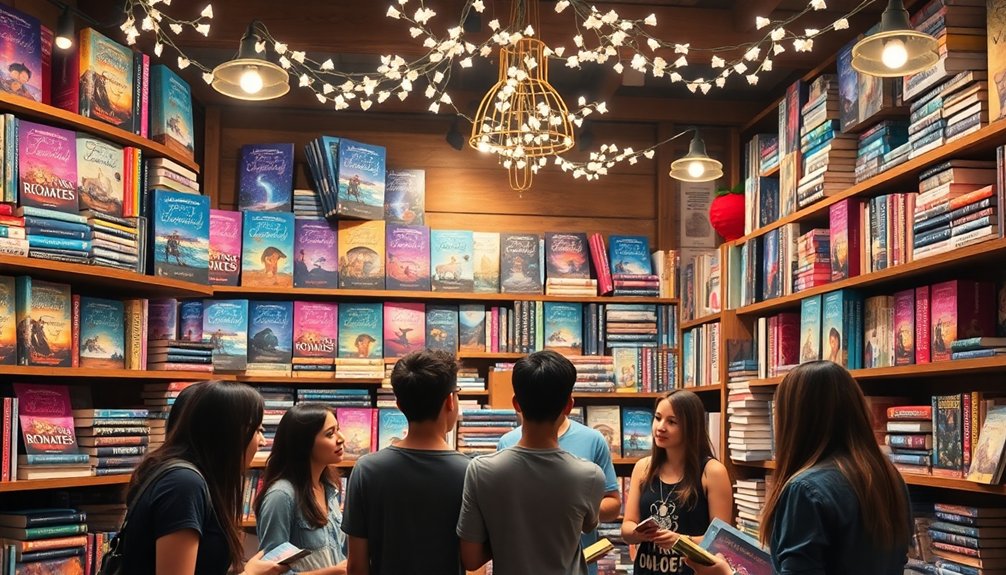
Romantasy is shaking up the YA genre by blending fantasy and romance in exciting ways.
You’ll find everything from royal heirs in enemies-to-lovers plots to complex characters facing moral dilemmas.
As you explore this evolving subgenre, you’ll discover fresh themes that challenge traditional boundaries and keep you hooked. Additionally, many novels weave in elements of friendship and self-discovery, enhancing character development and emotional depth.
Blending Fantasy and Romance
As you plunge into the enchanting domain of young adult fiction, you’ll quickly discover how the romantasy subgenre captivates readers by merging fantasy’s magical spheres with the intensity of romance.
This blend creates compelling narratives that transport you to enchanted settings while weaving in relatable romantic plots. Notable examples, like *The Beasts We Bury* by D.L. Taylor, showcase the dynamic interplay of heists and enemies-to-lovers themes, offering a rich tapestry of social commentary.
As romantasy evolves, it draws in diverse subgenres, from dark and edgy to lighter, cozy tales, appealing to a wide range of readers.
This subgenre provides escapism through intricate world-building while reflecting contemporary themes, encouraging authors to innovate and deepen character complexities.
Evolving Tropes and Themes
With the rise of romantasy, you’ll notice an exciting evolution in tropes and themes that resonate with readers. This subgenre combines romance and fantasy, offering escapism alongside emotional depth.
Popular titles like “The Beasts We Bury” by D.L. Taylor highlight the blend of dark romantic elements and fantastical settings, enchanting fans of both genres.
You’ll find evolving tropes such as enemies-to-lovers and royal romances, providing familiar yet fresh storylines. The genre’s growth reflects a keen interest in merging cozy themes with darker plots, resulting in diverse narratives that appeal to a wide range of tastes.
As romantasy continues to thrive, it proves the adaptability of young adult literature, embracing varying reader preferences while pushing creative boundaries.
Cozy Genres: Finding Comfort in YA Fiction
Cozy fantasy is catching your attention, offering relatable characters and heartwarming narratives that make you feel right at home.
These stories create inviting worlds where emotional connections thrive, allowing you to escape into joyful adventures.
As you explore these cozy genres, you’ll find comfort in their uplifting tales that resonate with your desire for positivity. Additionally, these narratives often echo themes of resilience amidst adversity, reminding readers of the strength found in facing challenges with courage.
Cozy Fantasy Appeal
While many young adult readers seek thrilling adventures and high-stakes drama, a growing number are embracing the warmth and charm of cozy fantasy. This enchanting subgenre draws you in with relatable narratives that provide comfort and escapism.
You’ll find lighthearted plots sprinkled with whimsical elements, allowing you to explore magical worlds without the stress of intense conflict. Cozy fantasy often highlights themes of community, friendship, and personal growth, offering uplifting stories that resonate during challenging times.
As this trend rises, young adult titles prioritize character-driven narratives, letting you form deep emotional connections and enjoy everyday adventures in these delightful settings.
Cozy fantasy is all about finding joy and connection in a world that feels both magical and familiar.
Relatable Character Narratives
As you immerse yourself in the world of young adult fiction, you’ll notice that relatable character narratives have become a cornerstone of cozy genres, offering a comforting escape from reality.
These stories prioritize emotional comfort, presenting flawed, morally gray protagonists who face everyday challenges. The rise of #weirdgirlbook narratives reflects a shift from perfect character tropes to more complex figures, allowing you to connect with their struggles and triumphs.
Readers like you’re drawn to tales of personal growth, resonating with experiences that mirror your own life.
As cozy genres flourish, they mix lighthearted themes and humor with serious issues, providing solace and connection amid societal pressures.
This authentic storytelling invites you to feel understood and less alone.
Flawed Protagonists: The Appeal of #weirdgirlbooks
In a landscape where perfect characters once dominated, the rise of #weirdgirlbooks invites you to embrace the beauty of imperfection. Flawed protagonists are taking center stage in young adult fiction, capturing your attention with their complexity and relatability.
You may find yourself drawn to these morally gray characters, as they mirror your own struggles and imperfections. This shift reflects a broader desire for authenticity in storytelling, moving away from sanitized narratives.
Publishers are enthusiastic to meet this demand, seeking out manuscripts that explore flawed characters and their emotional journeys. As a result, #weirdgirlbooks are redefining character-driven storytelling, making it easier for you to connect with the characters you read about and the experiences they navigate. These stories often highlight women’s contributions to history, showcasing their resilience and determination through complex narratives.
Reimagined Fairy Tales and Modern Issues
Reimagined fairy tales in YA literature give you a fresh perspective on classic stories while tackling contemporary issues.
You’ll find themes like identity and empowerment woven into narratives that challenge traditional norms.
These retellings resonate with your experiences, reflecting the diverse and complex world you live in. Additionally, they often highlight the transformative power of trauma recovery, offering hope and resilience to readers navigating their own challenges.
Contemporary Issues Explored
Fairy tales, once steeped in tradition, are evolving to reflect the complexities of modern life, allowing you to engage with themes that resonate deeply today.
This trend in Young Adult fiction reimagines classic stories to explore contemporary issues like identity, mental health, and social justice. You’ll find characters who are morally gray, moving away from the simplistic portrayals of the past, which makes them feel more relatable.
These adaptations often incorporate diverse cultural settings, enriching the narratives and providing representation for underrepresented communities.
Unique Character Perspectives
As you immerse yourself in the world of unique character perspectives, you’ll discover how modern adaptations of classic tales give voice to complex emotions and contemporary challenges.
Reimagined fairy tales in young adult fiction are rising, allowing authors to tackle pressing social issues like mental health, body positivity, and diversity. These stories often feature morally gray protagonists, reflecting the authenticity that readers crave.
By blending fantasy elements with real-world dilemmas, these narratives explore themes of identity and empowerment while promoting social justice. This trend resonates with a broader audience, including adults, as it invites you to confront societal challenges through familiar stories.
Embrace these unique character perspectives that not only entertain but also inspire meaningful conversations.
Authenticity in Character Development
While readers crave relatable stories, the rise of authenticity in character development has transformed young adult fiction into a space where flawed, morally gray protagonists thrive.
The #weirdgirlbook category highlights this shift, showcasing characters who reflect real-life complexities and societal challenges. Authors are moving away from idealized representations, opting instead for narratives that embrace darker themes and nuanced experiences.
As editors and agents note, there’s a growing demand for authenticity that resonates with readers seeking depth and realism. Reimagined fairy tales and familiar narratives now tackle contemporary issues, further emphasizing the importance of flawed characters. This trend mirrors the exploration of family dynamics and relationships, highlighting the emotional connections that resonate with readers.
This trend not only enriches storytelling but also fosters genuine connections between readers and the characters they encounter. Authenticity is now at the forefront of YA literature.
The Impact of Social Media on YA Trends
Social media has revolutionized how young adults engage with literature, with platforms like TikTok driving trends and boosting the popularity of various YA titles.
This shift has created a powerful digital content landscape, where viral videos and heartfelt reviews spark interest in overlooked fiction genres. Authors like Colleen Hoover have seen their books soar in sales due to the digital-to-literary pipeline established by social media trends.
As young readers discover titles through TikTok, publishers and film studios are taking note, leading to a surge in adaptations of popular YA novels.
This interconnectedness shows how reading culture is evolving, with social media shaping what you read and how you connect with stories in today’s fast-paced world. Additionally, the rise of social media has led to increased mental health challenges among youth, as they navigate both online and offline pressures related to self-image and community.
Book-to-Film Adaptations: A New Reading Culture
Streaming platforms are reshaping how young audiences engage with stories, making book-to-film adaptations a powerful tool for sparking interest in reading.
As you watch your favorite novels come to life on screen, you might find yourself curious about the original books that inspired them.
This trend not only boosts book sales but also transforms reading culture for a new generation.
Streaming Platforms’ Influence
As the popularity of book-to-film adaptations skyrockets, it’s clear that streaming platforms have transformed the way young audiences engage with literature.
In recent years, adaptations like Colleen Hoover’s “It Ends With Us” have become highly anticipated events, bridging the gap between readers and viewers. According to Publishers Weekly, successful adaptations often drive significant book sales, reigniting interest in original works.
Platforms like TikTok have further amplified this trend, making novels viral sensations and enhancing their visibility. You might find yourself picking up a book after watching its film adaptation, as this new reading culture evolves.
The financial incentives for publishers and studios mean we can expect even more adaptations, reshaping the landscape of both literature and film.
Young Audiences Engagement
The surge in book-to-film adaptations has sparked a new reading culture among young audiences, reshaping their relationship with literature.
You might notice how viral platforms like TikTok, especially *BookTok*, fuel engagement with books, inspiring you to pick up titles like Colleen Hoover’s *It Ends With Us*.
These adaptations bridge the gap between readers and moviegoers, often leading to a spike in book sales, as seen with the *After* series and *The Hunger Games* prequel.
Film studios target YA novels with devoted fans, knowing they’ll rush to theaters and bookstores alike.
This trend transforms reading habits, encouraging young audiences to discover literature through visual media, proving that adaptations can enhance rather than diminish a love for reading.
The Continued Demand for LGBTQ+ Stories
While the landscape of Young Adult fiction evolves, one thing remains clear: the demand for LGBTQ+ stories is stronger than ever. This surge reflects an interest in diverse identities and experiences.
Here are four reasons you should pay attention to this trend:
- Market Interest: Agents noted 49 mentions of LGBTQ+ stories for 2025, highlighting strong demand.
- Cultural Representation: These narratives foster broader acceptance and showcase diverse identities.
- Social Media Influence: Platforms like TikTok’s “BookTok” boost visibility and sales for LGBTQ+ YA titles.
- Authentic Voices: Many YA authors identify as LGBTQ+, adding depth and relatability to their work.
With publishers prioritizing these stories, it’s clear that LGBTQ+ narratives are shaping the future of Young Adult literature.
The Growth of Speculative and Socially Conscious Horror
In recent years, speculative and socially conscious horror has carved out a significant niche in the Young Adult genre, engrossing readers with its unique blend of entertainment and critical commentary.
This subgenre tackles contemporary societal issues, using horror as a lens to explore themes like systemic injustice, mental health, and identity. As you immerse yourself in these narratives, you’ll find that they resonate deeply with your experiences.
Recent titles showcase diverse voices, merging traditional horror tropes with culturally specific elements that enhance representation. This growth reflects your demand for complex characters and morally gray protagonists, providing authenticity in storytelling.
Ultimately, socially conscious horror challenges your perceptions, sparking critical discussions about real-world issues while keeping you entertained and engaged.
The Resurgence of Dystopian Narratives
As readers grapple with real-world uncertainties, dystopian narratives in young adult fiction are making a significant comeback, mirroring the anxieties of contemporary society. This resurgence reflects a growing interest in stories that resonate with current challenges.
Here are some key trends shaping this genre:
- Themes of Authoritarianism: Many new titles explore oppressive regimes, tapping into fears of control.
- Climate Change: Narratives increasingly address environmental collapse, appealing to eco-conscious youth.
- Technological Surveillance: Stories examine the implications of technology on privacy and freedom.
- Diverse Perspectives: Authors are enriching the genre with varied cultural lenses, broadening its appeal.
With the success of series like “The Hunger Games,” it’s clear that dystopian narratives continue to captivate and provoke thought among young adult readers.
Engaging Young Adult Readers With Mental Health Themes
Engaging young adult readers with mental health themes has become increasingly essential, especially since many teens face their own struggles in today’s fast-paced world.
Young adult fiction now often features relatable narratives that resonate deeply with readers. Studies show about 1 in 5 adolescents experience mental health disorders, making these themes particularly relevant.
Books like “Turtles All the Way Down” and “Girl in Pieces” highlight mental health issues honestly, helping to destigmatize these challenges. The rise of the #MentalHealthAwareness movement on social media has amplified the demand for stories that explore these topics.
Publishers are responding by prioritizing authentic representation, leading to a surge in YA titles focused on characters traversing their mental health journeys.
The Importance of Strong Female Protagonists
While stories about strong female protagonists have gained traction in young adult literature, they not only reflect a cultural shift but also empower readers to embrace resilience and authenticity.
Here’s why these characters matter:
- Representation: They provide diverse voices that resonate with a broad audience, fostering inclusivity in literature.
- Personal Growth: Readers witness characters overcoming challenges, inspiring them to pursue their own journeys of self-discovery.
- Complexity: The rise of the #weirdgirlbook category showcases flawed, morally gray characters that feel relatable and real.
- Cultural Reflection: These narratives challenge societal norms, encouraging discussions about identity and empowerment.
The importance of strong female protagonists can’t be overstated, as they shape the literary landscape while resonating deeply with readers.
Cultural Settings Enriching YA Storylines
Cultural settings in young adult fiction not only transport you to new worlds but also deepen the storylines, making them more relatable and impactful.
Upcoming releases like “Always Be My Bibi” and “Love Craves Cardamom” highlight diverse locales such as Bangladesh and Rajasthan, immersing you in rich traditions and unique perspectives.
These narratives offer more than just escapism; they tackle significant themes like respect for women and societal challenges, enhancing their depth.
These stories transcend mere escapism, confronting vital themes of women’s respect and societal challenges, enriching their narratives.
As readers crave authenticity and representation, stories rooted in specific cultural settings resonate powerfully.
This trend reflects the broader movement toward inclusivity in literature, catering to your desire for narratives that mirror the world’s varied experiences.
Embracing cultural richness, YA fiction is evolving beautifully.
The Enduring Appeal of Romantic Tropes
Romantic tropes in YA literature aren’t just about love; they’re classic stories reimagined with fresh twists and diverse cultural settings.
You’ll find familiar themes like star-crossed lovers or unexpected connections, but with new perspectives that resonate with today’s readers.
As these stories evolve, they continue to captivate audiences, drawing you into enchanting worlds where love conquers all.
Classic Love Stories Revived
As you immerse yourself in the world of young adult fiction, you’ll notice a revitalizing revival of classic love stories that captivates readers with familiar romantic tropes.
These light romance narratives not only entertain but also resonate deeply with your desire for escapism. Here are four key trends:
- Enemies-to-Lovers: Tension and chemistry create gripping dynamics.
- Fake Dating: This trope invites humor and unexpected feelings.
- Second Chances: Rediscovering love adds depth and nostalgia.
- Coming-of-Age Romance: Personal growth intertwined with love stories enriches the narrative.
The blending of classic love stories with contemporary themes showcases the evolution of romance in YA, ensuring these tales remain relevant and engaging for today’s readers.
Diverse Cultural Settings
While classic love stories continue to enchant, the landscape of young adult fiction is expanding with narratives set against diverse cultural backdrops. Upcoming releases like “Love Craves Cardamom” and “Always Be My Bibi” showcase light romance that highlights unique traditions and backgrounds.
These diverse cultural settings not only provide escapism but also tackle serious themes like respect and personal growth, making them relatable to a wide audience. You’ll find familiar tropes like fake dating and enemies-to-lovers taking fresh spins through these varied lenses, as seen in “Never Thought I’d End Up Here.”
Plus, the emphasis on female-centered narratives allows characters to navigate love and identity in meaningful ways, enriching the reading experience for everyone.
New Twists on Tropes
Though you might think you’ve seen every romantic trope in the book, young adult fiction is breathing new life into familiar favorites like fake-dating and enemies-to-lovers.
Here’s how these romantic tropes are evolving:
- Diverse Narratives: Upcoming titles like “All Paths Lead to Paris” showcase cultural richness.
- Genre Blending: Romantasy reimagines tropes in darker, fantastical settings.
- Morally Gray Characters: Readers are drawn to protagonists with complex motivations.
- Nuanced Relationships: The focus on authenticity highlights personal and societal challenges.
These twists keep readers engaged, offering escapism while reflecting contemporary issues.
The enduring appeal of romantic tropes thrives as they adapt to showcase relatable, nuanced relationships, proving that even familiar favorites can feel fresh and exciting.
The Influence of Streaming Platforms on Book Popularity
Streaming platforms have revolutionized how young adult novels gain popularity, often turning them into cultural phenomena. When a popular adaptation, like Colleen Hoover’s *It Ends With Us*, hits the screen, it drives significant interest in the original book, boosting book sales.
Successful adaptations, such as *The Summer I Turned Pretty*, serve as gateways for viewers to discover the source material, leading to a notable rise in readership. The correlation between streaming content and book sales is undeniable; a successful adaptation can propel a book to bestseller status.
Additionally, platforms like TikTok, especially *BookTok*, amplify YA literature’s reach, creating viral trends that shape younger audiences’ reading choices. This merging of literature and visual media is reshaping how stories are consumed and appreciated.
Evolving Publishing Strategies for YA Authors
As young adult (YA) literature continues to evolve, publishers are adapting their strategies to meet the changing preferences of readers.
Here are some key trends shaping the landscape:
- Diverse and Inclusive Narratives: There’s a strong demand for stories featuring LGBTQ+ representation and multicultural perspectives.
- Escapist Narratives: Light romances and fantastical settings are surging, appealing to both teens and adults seeking an escape.
- Adaptations of YA Novels: Turning popular books into films or series helps tap into established fan bases, revitalizing interest in the original stories.
- Authentic Characters: Publishers are embracing morally gray protagonists, reflecting contemporary issues that resonate deeply with young readers.
These evolving strategies are making YA literature more relevant and engaging than ever.
Conclusion
As the landscape of young adult fiction shifts, you’ll find a vibrant tapestry woven with diverse voices and fresh themes. Just like a river that carves its path through rock, these trends are reshaping what YA literature can be. Embrace the fusion of genres, the allure of romantic tropes, and the stories that transport you to new worlds. With each book you pick up, you’re not just reading; you’re diving into a journey that reflects our ever-evolving culture.