
If you’re looking for wrestling books that echo Shakespearean tragedy, you’ll find compelling narratives steeped in ambition, betrayal, and the quest for glory. Titles like Mick Foley’s “Have a Nice Day!” and Bret Hart’s “Wrestling with Shadows” showcase tragic heroes grappling with their flaws and moral dilemmas. These stories highlight emotional stakes and personal sacrifice, revealing the high cost of fame and rivalry. The depth of these tales rises far beyond the ring, inviting deeper exploration into their themes.
The Tragic Hero in Wrestling: A Common Archetype
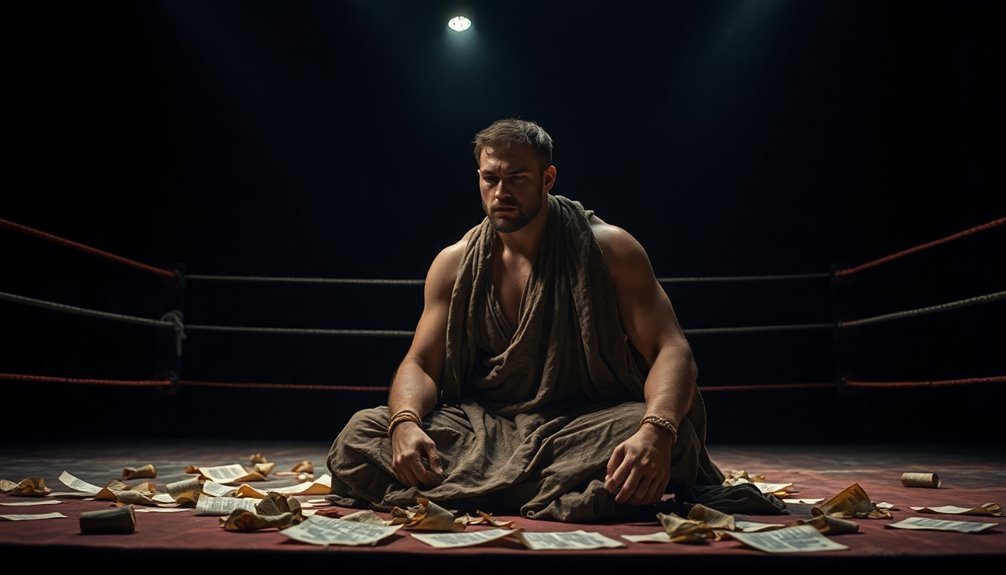
In wrestling, the tragic hero embodies a profound sense of struggle and loss, making their journey both compelling and relatable. You witness their heroic downfall, often driven by tragic flaws that lead to moral conflicts.
As you follow their path, you see redemption arcs unfold, challenging your understanding of loyalty tests and ambition’s cost. These characters grapple with fame’s price, wrestling with existential struggles and emotional battles that resonate deeply. Each match becomes a metaphor for their internal conflict, raising legacy questions that linger long after the final bell rings. You can’t help but reflect on how their story mirrors real-life challenges, making you root for their triumphs even as you anticipate their inevitable fall.
Amidst this struggle, the tragic hero’s plight often mirrors the effects of systemic racism and oppression, emphasizing the broader societal issues at play.
Ambition and Betrayal: Themes That Resonate
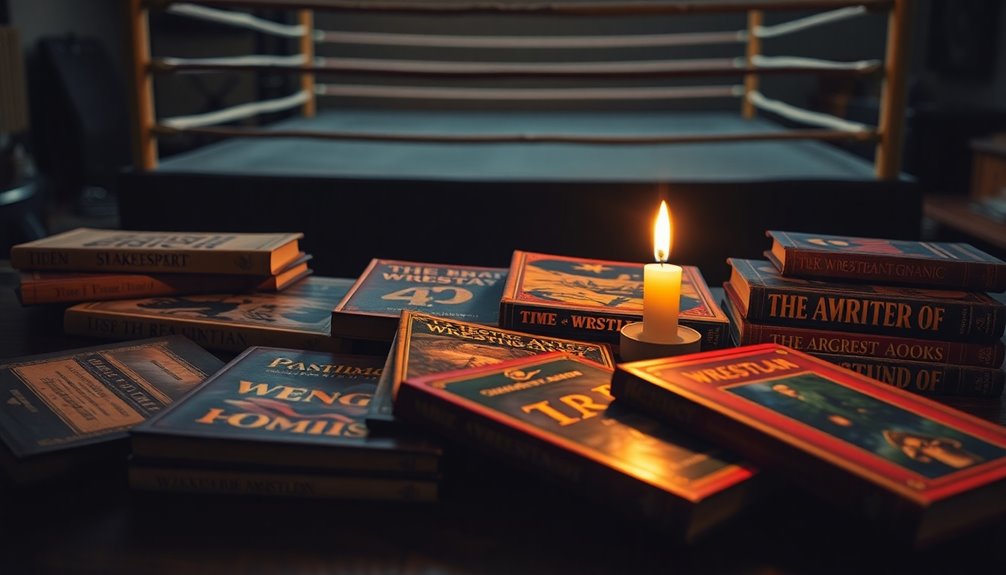
Ambition often drives wrestlers to push their limits, igniting fierce rivalries and complicated relationships. In the pursuit of greatness, you’ll see how ambition’s downfall can lead to devastating consequences.
Characters who once shared a bond may find themselves caught in a web of deceit, where betrayal’s aftermath leaves scars that never heal. You might witness friendships crumble as the thirst for glory overshadows loyalty, turning allies into enemies.
The emotional weight of these betrayals creates a tension that mirrors the tragedies of Shakespeare’s plays. As wrestlers navigate their ambitions, they face choices that could shatter their lives, reminding you that the quest for success often comes at a heartbreaking cost. This struggle mirrors the systemic discrimination faced by characters in *A Lesson Before Dying*, where ambition collides with harsh realities.
In wrestling, ambition and betrayal walk hand in hand.
The Pursuit of Glory: Wrestlers’ Quest for Redemption

Redemption fuels the hearts of wrestlers as they navigate the highs and lows of their careers. The pursuit of glory often intertwines with tragic fates, leading to compelling redemption arcs.
You’ll see the emotional stakes rise as wrestlers confront their character flaws and ambition costs. Their resilience journeys are shaped by:
- Downfall stories: Where fame struggles reveal the dark side of glory pursuits.
- Wrestling legacies: Built on both triumph and failure, echoing through time.
- Personal battles: Each wrestler faces unique challenges that threaten their path.
- Inspiring comebacks: Moments that redefine their careers and showcase true grit.
In these tales, the quest for redemption becomes a powerful reflection of the human spirit, much like Richard Wright’s exploration of systemic oppression that shapes narratives in literature.
Loss and Sacrifice: Wrestling’s Heartbreaking Moments
In wrestling, loss and sacrifice often shape a wrestler’s story.
You see tragic hero archetypes emerge, showcasing the pain of betrayal and the longing for redemption.
As you explore these heartbreaking moments, you’ll understand the true cost of glory in the ring. The narratives often reflect systemic oppression that parallels the struggles faced by those like Bigger Thomas in “Native Son.”
Tragic Hero Archetypes
- Existential struggles that challenge their purpose.
- Moral ambiguity in their decisions, leaving you questioning right and wrong.
- Loyalty conflicts that test their bonds, pushing them toward inevitable fate.
- Ambition costs that ultimately shape their character depth.
As you explore these narratives, you witness the heart-wrenching journey toward redemption arcs, even when they seem out of reach.
This journey reminds you of the weight of sacrifice in this dramatic world.
Betrayal and Redemption
While you watch the drama unfold in the ring, betrayal often serves as the catalyst for profound transformation.
It’s in these moments of personal betrayals that wrestlers confront their deepest flaws, paving the way for powerful redemption arcs. You see heroes turned villains, friends becoming foes, and the emotional weight of loyalty shattered.
Each betrayal ignites a fire within, pushing wrestlers to reclaim their honor and grapple with their past mistakes. The journey to redemption is fraught with challenges, as they must face not just their rivals, but also their own demons.
In wrestling, these heartbreaking moments remind you that loss and sacrifice are integral to the human experience, making the pursuit of redemption all the more poignant.
The Cost of Glory
Glory in wrestling often comes at a steep price, marked by moments of profound loss and sacrifice. You’ll witness the toll of ambition’s weight, as wrestlers chase fame’s fleetingness, often losing themselves in the process.
Here are some heart-wrenching realizations:
- Success’s Loneliness: The higher you climb, the more isolating the journey becomes.
- Legacy’s Burden: Each triumph carries the weight of expectations, haunting wrestlers long after the applause fades.
- Fame’s Cost: Relationships fray as the spotlight grows brighter, leaving behind fractured bonds.
- Ring Sacrifices: Injuries and personal sacrifices reveal the true cost of glory, underscoring triumph’s toll.
In wrestling, every victory is etched with the scars of what’s given up along the way.
Complex Character Arcs: From Villainy to Virtue
In wrestling, characters often shift from villainy to virtue, showing us that redemption comes through struggle.
You’ll see how betrayal can spark growth, transforming a once-hated antagonist into a beloved hero.
These arcs remind us that everyone has the potential for change, even in the toughest circumstances, reflecting the transformative power of empathy that can lead to personal redemption.
Redemption Through Struggle
Consider these elements that enhance their narratives:
- Inner Demons: Characters confront their darkest fears, pushing the boundaries of their morality.
- Catalysts for Change: Key events force them to reevaluate their choices.
- Support Systems: Allies help them navigate their emotional resilience.
- Moments of Clarity: Insightful revelations redefine their purpose and drive their growth.
Through these resilience narratives, you see that redemption isn’t just possible; it’s a powerful affirmation of the human spirit.
Betrayal Leading to Growth
While betrayal often shatters trust, it can also ignite a profound transformation within characters, leading them from villainy to virtue. You’ll find that in wrestling narratives, the consequences of betrayal push characters to confront their darkest selves.
As they grapple with their actions, they initiate growth journeys that reshape their identities.
Imagine a once-villainous figure realizing the pain they’ve caused. This moment of reckoning forces them to reevaluate their choices, sparking a desire for redemption.
Each misstep becomes a stepping stone, guiding them toward empathy and understanding. In these stories, betrayal isn’t just a plot twist; it’s a catalyst for change.
Ultimately, you witness characters emerge stronger, more complex, and profoundly human, reminding us that growth often springs from the ashes of betrayal.
Iconic Wrestling Books That Reflect Tragic Themes
What drives a wrestler to pen their story, often revealing the darker sides of fame and fortune?
These narratives expose the heroic downfalls and relentless ambitions that shape their wrestling destinies. They illuminate the emotional scars left by fateful choices, reflecting on moral struggles and the tragic redemptions that follow. Additionally, much like Richard Wright’s exploration of systemic racism, these stories confront uncomfortable truths about society and personal identity.
Here are four iconic wrestling books that capture these themes:
- “Have a Nice Day!” by Mick Foley – A tale of shattered dreams intertwined with fatal flaws.
- “The Hard Way” by Paul Heyman – Chronicles the pursuit of legacy lost amid wrestling politics.
- “Wrestling with Shadows” by Bret Hart – Explores a poignant journey through betrayal and redemption.
- “The Death of WCW” by Bryan Alvarez – Details a once-great promotion’s collapse, marked by ambition and missteps.
The Role of Fate: How Destiny Shapes Wrestlers’ Journeys
In wrestling, you often see how fate can guide a wrestler’s journey, leading to both triumphs and tragedies.
Every choice they make carries weight, shaping their path in unexpected ways.
As you explore these stories, you’ll uncover the intricate dance between destiny and the consequences of their actions. Additionally, the psychological depth of wrestlers mirrors the struggles of characters like Bigger Thomas, revealing how systemic challenges shape their identities and decisions.
Preordained Triumphs and Tragedies
Fate often plays a pivotal role in shaping the journeys of wrestlers, intertwining their triumphs and tragedies in a tapestry of destiny.
You witness how each wrestler’s path is often marked by:
- Fateful encounters that set the stage for dramatic rivalries.
- Heroic sacrifices made in the name of relentless ambition.
- Tragic flaws leading to an inevitable downfall.
- Sorrowful victories that leave behind haunting memories.
These elements create a rich narrative, illustrating that emotional resilience is essential.
Wrestlers carve out poignant legacies, reflecting both their glory and grief.
As you explore their stories, you realize how fate shapes not just their careers, but also the very essence of who they are.
Choices and Consequences Unraveled
While the spotlight often shines on the victories and heart-wrenching defeats, the choices wrestlers make throughout their journeys can be just as impactful.
You see, it’s the moral ambiguity of their fateful decisions that reveals character flaws and tragic flaws, shaping their arcs. Each wrestler grapples with personal demons and existential struggles, often caught between ambition’s price and the weight of societal pressures.
These choices lead to downfall arcs, where ambition clashes with vulnerability. As you explore these wrestling narratives, you uncover psychological depth that resonates like a Shakespearean tragedy.
The consequences of their actions unfold, reminding you that destiny isn’t merely a path but a complex web woven by every decision made, each one echoing through their lives.
Moral Dilemmas in the Ring: Choices and Consequences
Here are some key themes that illustrate these ethical choices:
- Moral Conflict: Wrestlers grapple with the right versus wrong, impacting their wrestling ethics.
- Personal Sacrifice: Many choose between fame and the well-being of others, leading to a heroic downfall.
- Redemption Arcs: Characters often seek forgiveness, highlighting life’s lessons learned through pain.
- Consequences Explored: Actions taken in the ring resonate beyond it, showcasing the lasting impact of their choices.
In the end, these narratives capture the essence of wrestling’s dramatic moral landscape, reflecting themes of redemption and dignity that resonate with audiences.
The Emotional Impact of Wrestling Stories
Wrestling stories aren’t just about physical battles; they resonate deeply on an emotional level, striking chords that linger long after the final bell.
You find yourself drawn into the storytelling depth, where character development showcases emotional resilience amid personal struggles. Each narrative arc reveals moral complexities, making you question your own life parallels.
The dramatic irony in these tales intensifies audience engagement, as you root for characters facing universal themes of loss, redemption, and ambition.
You’ll realize that these stories often mirror your own experiences, highlighting the fragility of human emotion.
As you immerse yourself in these wrestling narratives, the emotional impact becomes undeniable, reminding you that every fight has deeper significance than just victory or defeat. The blending of magic with daily life in these stories challenges perceptions of reality, enhancing the emotional stakes involved.
Comparing Wrestling Narratives to Classic Tragedies
You’ll find that wrestling and classic narratives share key elements that heighten their emotional impact:
- Dramatic Rivalries – Just like in tragedies, rivalries ignite conflict, driving the plot forward.
- Character Motivations – Each wrestler’s journey is fueled by deep motivations, reflecting the complexity of human desires.
- Narrative Arcs – The rise and fall of characters mimic tragic arcs, showcasing their struggles and triumphs.
- Audience Engagement – Both forms employ storytelling techniques that evoke emotional resonance, drawing you into their worlds.
In this performance art, themes of legacy and conflict resolution create a stark reflection of our own lives, making these narratives timeless. The collective action of wrestlers mirrors the social injustice faced by characters in The Grapes of Wrath, emphasizing the struggle for dignity and recognition.
Lessons Learned: What Wrestling Teaches Us About Life
Resilience is a core lesson wrestling imparts, teaching you the importance of bouncing back from setbacks. Each match tests your emotional strength, pushing you to confront obstacles head-on.
Through resilience training, you learn that overcoming adversity isn’t just about winning; it’s about personal growth and character development. The mentorship bonds formed with coaches and fellow wrestlers guide you, offering wisdom that extends beyond the mat.
Overcoming adversity transcends victory; it’s a journey of personal growth, character development, and invaluable mentorship.
These life lessons shape your journey of self-discovery, revealing strengths you didn’t know you had. As you grapple with challenges, you realize that the skills you cultivate in wrestling resonate throughout your life, helping you navigate its complexities with confidence and grit.
Embrace these lessons, and emerge stronger both inside and outside the ring.
Conclusion
Wrestling, much like a Shakespearean tragedy, unfolds on the canvas of human emotion, where ambition and betrayal dance in a relentless waltz. As you watch the heroes and villains collide, you feel their heartbreak and triumph echo in your own heart. Each tale is a tapestry woven with threads of loss and redemption, reminding you that life, like the ring, is an arena of choices and consequences. In the end, it’s a poignant reflection of our shared struggle for meaning.