

“Shoe Dog” takes you on Phil Knight’s relentless quest to build Nike, embodying the art of the comeback. You’ll see how resilience, determination, and a fierce passion shaped his journey through financial struggles and setbacks. Knight highlights key relationships that fueled Nike’s growth while emphasizing the importance of adaptability in entrepreneurship. This memoir not only inspires you to chase your dreams but also reveals valuable lessons about perseverance, making it a must-experience for anyone on a similar path.
About the Author
When you plunge into “Shoe Dog,” you’re getting a glimpse into the life of Phil Knight, the co-founder of Nike, Inc. In his memoir, Knight shares his compelling story, detailing how he transformed a simple idea into a global powerhouse.
Beginning in 1962, he borrowed $50 from his father to import Japanese athletic shoes, laying the groundwork for what would become Blue Ribbon Sports and eventually Nike. As a track athlete at the University of Oregon, Knight drew inspiration from his coach, Bill Bowerman, who contributed greatly to Nike’s product development. Knight’s journey exemplifies the importance of resilience in overcoming obstacles and setbacks in the entrepreneurial landscape.
Knight isn’t just a business mogul; his philanthropic efforts demonstrate his commitment to giving back, making his memoir not just about success, but also about resilience and generosity.
Overview of the Book
“Shoe Dog” offers a raw and honest look at the journey of Nike, detailing how a simple idea evolved into one of the world’s most recognizable brands.
Written by Phil Knight, this memoir chronicles the first decade of Nike’s history, starting from its founding as Blue Ribbon Sports in 1962.
Phil Knight’s memoir unveils Nike’s early journey, tracing its roots from Blue Ribbon Sports in 1962.
You’ll discover the struggles, risks, and setbacks Knight faced while building his business, including his initial $50 investment that yielded only $8,000 in its first year.
The book emphasizes the significance of relationships and teamwork, showcasing key figures like coach Bill Bowerman and early employees who played crucial roles in the story of Nike.
Knight’s journey exemplifies the growth mindset that fosters resilience and perseverance, guiding individuals toward achieving their dreams.
Themes of Resilience and Determination
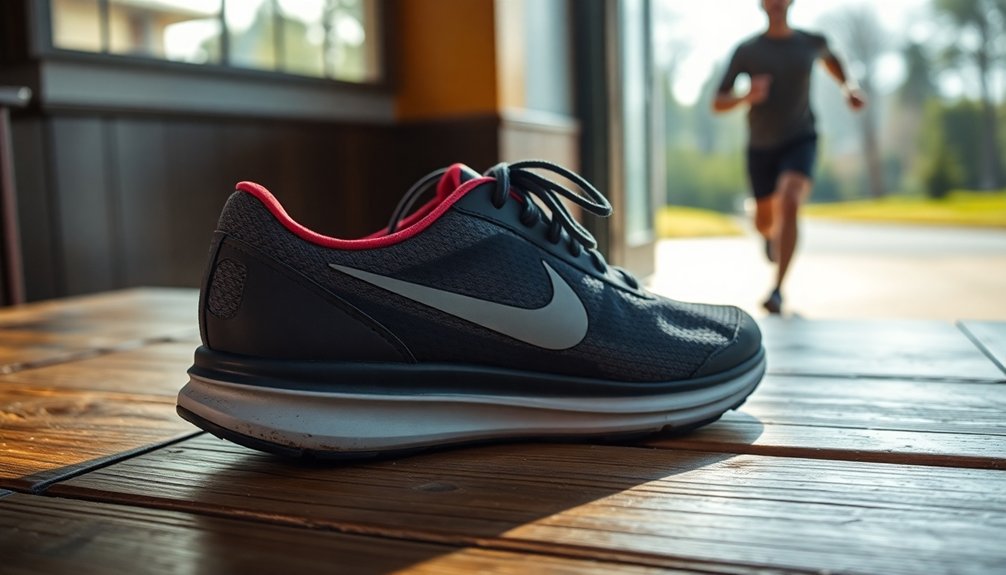
In “Shoe Dog,” you witness Phil Knight’s incredible journey through financial struggles and the uncertainties of building Nike.
He embraces risks that would make most people hesitate, showing how resilience and determination can transform challenges into opportunities.
As you explore these themes, you’ll see how Knight’s experiences resonate with anyone facing their own obstacles. His narrative embodies the essence of grit and perseverance, illustrating how unwavering determination is essential for overcoming life’s adversities.
Overcoming Financial Struggles
While steering through the turbulent waters of entrepreneurship, Phil Knight’s journey with Blue Ribbon Sports reveals a powerful narrative of resilience and determination in the face of financial struggles.
You’ll see how Knight navigated these challenges through:
- A mere $50 investment from his father, a shaky start.
- Daily pressure where the “pair count” dictated his mood and business health.
- Gross revenue of only $8,000 in the first year, testing his resolve.
- A contract breach by Onitsuka, forcing a strategic rethink before embracing the Nike swoosh.
Knight’s story exemplifies that success isn’t a straightforward path; it’s filled with setbacks that demand relentless determination to overcome.
Embracing these struggles ultimately shaped the foundation for what would become a global brand.
Embracing Uncertainty and Risks
Embracing uncertainty and risks is a hallmark of Phil Knight’s entrepreneurial journey, where he faced formidable challenges that tested his resolve.
You’ll see how his resilience shone through as he navigated financial struggles and constant debt, unsure if his company would survive. Knight’s determination kept him pushing forward, even when cash flow pressures threatened to derail him.
The unpredictable nature of success became evident when he revealed that Nike’s iconic swoosh logo cost just $35—an example of how risks can lead to unexpected triumphs.
His memoir encapsulates the chaotic reality of entrepreneurship, illustrating that adaptability is essential.
Key Relationships in Nike’s Journey
In Nike’s journey, you’ll see how vital key relationships were to its success. From the mentorship of Bill Bowerman to the strong bonds among the founding team, these connections shaped the brand’s direction. Rivalries and collaborations also played a significant role, revealing the complexities of building a global powerhouse. The story of ambition and rivalry echoes throughout the development of Nike, highlighting how the drive for success can intertwine with personal relationships and competition.
Founding Team Dynamics
As Phil Knight commenced on the journey to build Nike, the dynamics among his founding team became vital in shaping the company’s future. Their collaborative spirit fostered a shared mission, which was essential for overcoming challenges.
Here are key aspects of their relationships:
- Bill Bowerman: Instrumental in product innovation, he brought a coach’s perspective that fueled Nike’s design ethos.
- Jeff Johnson: Established Nike’s retail presence, ensuring the brand connected with consumers.
- Rob Strasser: Shaped Nike’s identity through innovative marketing, enhancing brand recognition.
- Culture of Excellence: This mindset, cultivated by the team, drove everyone to achieve their best.
Together, these elements highlighted the loyalty and dedication of Knight’s founding team, pivotal in steering Nike’s tumultuous early years.
Mentor-Mentee Relationships
The success of Nike wouldn’t have been possible without the mentor-mentee relationships that flourished among its key players.
In Knight’s story, the bond with legendary coach Bill Bowerman proved essential. Bowerman’s insights into athletic performance directly influenced shoe design and innovation, shaping Nike’s early products.
Additionally, Knight’s partnership with Jeff Johnson, Blue Ribbon Sports’ first employee, was vital for establishing marketing strategies that expanded Nike’s reach.
Rob Strasser’s contributions in branding, especially the iconic “Just Do It” slogan, resonated with consumers.
These relationships highlight the importance of collaboration and loyalty in steering entrepreneurship’s challenges, reinforcing that Nike’s growth stemmed from strong mentorship and mutual support among its founders.
Rivalries and Collaborations
While rivalries often fuel competition, they can also lead to unexpected collaborations that shape a company’s trajectory. Phil Knight’s journey with Nike showcases this dynamic beautifully.
Here are four key relationships that helped propel Nike forward:
- Phil Knight and Kitami: Tense negotiations with Onitsuka’s executive pushed Knight to adapt and innovate.
- Bill Bowerman: The legendary coach’s innovative design ideas laid the foundation for Nike’s product development.
- Jeff Johnson: As the first employee, Johnson crafted Nike’s brand identity, turning it into a household name.
- Rob Strasser: His efforts in shaping the brand’s messaging resonated deeply with athletes and consumers alike.
These collaborations amid rivalries highlight the power of teamwork in overcoming challenges and driving Nike’s success.
The Importance of Passion in Entrepreneurship
Passion drives entrepreneurship, often acting as the fuel that propels individuals through the inevitable challenges they face.
Phil Knight’s unwavering passion for running and shoes inspired his entrepreneurial vision, pushing him to innovate despite obstacles. This deep connection to his product fueled his perseverance, leading to his “Crazy Idea” of importing Japanese athletic shoes.
The emergence of the iconic Nike swoosh from a $35 design highlights how passion can spark creativity and collaboration. Knight’s commitment to quality not only set Nike apart in a competitive market but also fostered strong relationships with partners like Bill Bowerman and Jeff Johnson.
Ultimately, your passion can ignite your journey and build a foundation for success in entrepreneurship. Additionally, integrating mind-body approaches can enhance resilience and overall well-being, further supporting your entrepreneurial endeavors.
Cultural Impact and Historical Context

As you explore Phil Knight’s memoir, “Shoe Dog,” you’ll find that it vividly captures the essence of the 1970s running culture, a time that shaped both Nike’s identity and its trajectory in the athletic shoe market.
This historical document highlights key elements of the era:
- Oregon’s Influence: Local legends like Steve Prefontaine fostered a passionate running community.
- Cultural Shifts: The dedication of athletes resonated with Nike’s mission to produce high-quality athletic footwear.
- Competitive Landscape: Nike emerged as a revolutionary force against established brands like Adidas and Puma.
- Consumer Preferences: Shifting attitudes towards fitness and running fueled Nike’s rise as a global brand.
“Shoe Dog” serves as a lens to understand how these cultural shifts impacted Nike’s journey, echoing the resilience and determination seen in many immigrant stories like those in “A Tree Grows in Brooklyn.”
Reflections on Success and Trade-Offs
As you read Phil Knight’s reflections, you can’t help but notice the sacrifices he made in pursuit of Nike’s success.
Balancing work and family often felt impossible for him, highlighting the emotional toll of entrepreneurship.
His insights challenge you to think about what legacy you want to leave and how ambition can impact your relationships. The journey through shared grief and the complexities of family dynamics serves as a poignant reminder of the importance of human connections during turmoil.
Balancing Work and Family
While building a global brand like Nike can be thrilling, it often demands sacrifices that challenge the balance between work and family. Phil Knight’s journey reveals the tough choices entrepreneurs face.
You might find yourself maneuvering through these dilemmas:
- Missing family events due to work commitments.
- Feeling guilty about time spent away from loved ones.
- Making decisions that prioritize business over personal relationships.
- Reevaluating what success means beyond professional achievements.
These challenges illustrate the trade-offs between professional ambitions and family life. Knight’s reflections remind you to cherish personal connections and consider the sacrifices made along the way.
Ultimately, it’s about finding a balance that honors both your ambitions and your loved ones.
Legacy and Corporate Responsibility
Building a legacy often requires steering through the intricate balance between success and responsibility.
In “Shoe Dog,” you see Phil Knight grappling with the trade-offs of his journey, sacrificing personal and professional relationships for Nike’s growth.
Knight emphasizes corporate responsibility, showing how a startup can evolve into a global brand committed to sustainable practices and community engagement.
His reflections reveal that true success encompasses moral and ethical considerations, shaping a company’s legacy beyond mere profits.
Knight’s philanthropic efforts illustrate the responsibility of successful businesses to positively impact society.
As you read, consider how your own achievements might resonate within your community and future generations, reminding you that legacy isn’t just about financial metrics; it’s about meaningful contributions.
Lessons Learned From Setbacks
Setbacks can feel like insurmountable obstacles, but Phil Knight’s journey with Nike shows how they can also be powerful teachers. In Knight’s life, he faced numerous challenges that tested his resilience and shaped the story of building his brand.
Here are key lessons learned from those setbacks:
- Financial struggles can force you to rethink strategies and innovate.
- Breaches of trust, like the contract with Onitsuka, teach you the importance of adaptability.
- Embracing vulnerability helps you connect with others and build a supportive network.
- Success often comes from unexpected opportunities, so stay open to change.
Knight’s experiences remind you that setbacks aren’t the end; they’re stepping stones to growth and success. Additionally, the story of Louis Zamperini’s survival during WWII illustrates how resilience can lead to triumph even in the darkest times.
What Makes “Shoe Dog” Unique
There’s something revitalizing about “Shoe Dog” that sets it apart from typical business memoirs. Phil Knight’s candid account of his entrepreneurial journey breaks the mold, showcasing the messy reality of building Nike.
Unlike linear success stories, his narrative reveals real struggles, insecurities, and the weight of debt. You’ll appreciate how Knight emphasizes the importance of personal relationships, highlighting collaborations with key figures, like coach Bill Bowerman, who helped shape Nike’s identity.
Phil Knight’s journey reveals the authentic struggles and vital relationships that shaped Nike’s success.
The book immerses you in emotional highs and lows, making his ambition and perseverance relatable. Plus, the randomness of success—like the accidental creation of the swoosh logo—adds an unexpected twist.
“Shoe Dog” is a deeply human story that invites you to reflect on your own journey, paralleling the blend of storytelling charm and scientific exploration found in captivating science narratives.
Who Will Benefit From Reading This Memoir
“Shoe Dog” is a must-read for a diverse audience, offering valuable insights for anyone interested in the world of business and entrepreneurship. Here’s who’ll benefit:
- Aspiring Entrepreneurs: Phil Knight’s journey illustrates the grit needed to overcome challenges, inspiring you to chase your own dreams.
- Nike Fans: Those curious about Nike’s origins will appreciate the brand’s evolution from a startup to a global giant.
- Readers of Personal Stories: Knight’s candid reflections on triumphs and struggles provide a relatable narrative that resonates deeply.
- Teamwork Enthusiasts: You’ll learn the importance of collaboration as Knight highlights the contributions of key figures like Bill Bowerman and Jeff Johnson.
Moreover, the themes of individuality and societal control in Huxley’s “Brave New World” parallel Knight’s exploration of overcoming obstacles in business.
Dive into this memoir and discover invaluable lessons from the heart of entrepreneurship!
Conclusion
In “Shoe Dog,” you’ll find a treasure trove of inspiration, where every setback is a stepping stone and every challenge a canvas for creativity. Phil Knight’s journey weaves resilience and passion into a tapestry of triumph, reminding you that success isn’t just a finish line—it’s the relentless pursuit of your dreams. As you close the book, you’ll feel the spark to chase your own ambitions, armed with the wisdom to turn obstacles into opportunities.