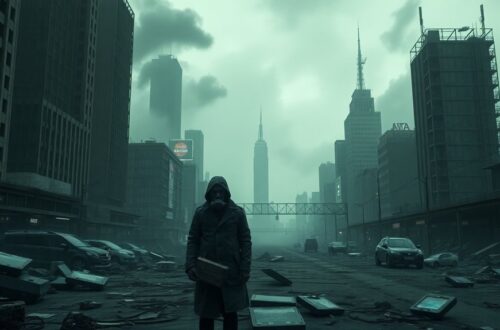

In the 21st century, influential dystopian novels like *The Hunger Games* and *Station Eleven* reflect our societal anxieties about oppression, climate change, and technology. Authors like Margaret Atwood and Octavia E. Butler challenge you to rethink power dynamics and moral dilemmas in extreme situations. These stories inspire resilience and critical discourse on today’s political issues, highlighting the importance of community and art. There’s so much more to explore about how these narratives resonate with our world today.
Defining Dystopia in Modern Literature
Dystopia in modern literature digs deep into the anxieties of our time, exposing fears about climate change, authoritarianism, and technology’s grip on our lives.
Dystopian fiction reflects contemporary narratives that tackle societal fears, often highlighting the struggle for individual freedom amidst oppressive regimes. Works like *The Hunger Games* and *The Handmaid’s Tale* illustrate survival and rebellion against systemic control, resonating with readers facing similar real-world issues.
These stories explore diverse perspectives, emphasizing gender identities and marginalized voices, which enhances their cultural relevance. As you engage with these narratives, you’ll notice how they mirror your concerns about societal structures, making them not just tales of the future, but urgent reflections of the present. Furthermore, they serve as cautionary tales that inspire readers to defend their rights against totalitarian regimes that threaten personal freedoms.
Key Themes in 21st Century Dystopian Novels
In exploring modern anxieties, 21st-century dystopian novels reveal a rich tapestry of themes that resonate deeply with readers.
You’ll encounter societal control and rebellion against oppressive regimes, as seen in *The Hunger Games* and *Divergent*, where individual identity struggles emerge under authoritarian governance.
Climate fiction, like *The MaddAddam Trilogy*, underscores fears of ecological collapse and resource scarcity.
Climate fiction, exemplified by *The MaddAddam Trilogy*, vividly captures our anxieties about ecological collapse and dwindling resources.
Technology’s impact on human relationships is starkly portrayed in *Feed*, highlighting surveillance and corporate control in a digital age.
Gender dynamics shift dramatically in *The Power*, challenging traditional roles.
Additionally, moral dilemmas in extreme situations, reflected in *Station Eleven*, explore how art and culture can preserve humanity amid chaos.
These themes intertwine, offering profound insights into contemporary society. As we grapple with the implications of global education, these narratives can inspire a deeper understanding of the societal challenges we face.
Notable Authors Shaping the Genre

While exploring the landscape of 21st-century dystopian literature, you’ll find a diverse array of authors who are redefining the genre. Here are three notable figures making significant contributions:
- Margaret Atwood: Her works, like *The Handmaid’s Tale* and *The Testaments*, probe into themes of gender oppression and authoritarianism, resonating deeply in today’s climate.
- Octavia E. Butler: In *Parable of the Sower*, she addresses societal collapse and resilience, tackling issues like fundamentalism and climate change.
- Suzanne Collins: With *The Hunger Games*, Collins critiques social inequality and state control, becoming a cultural touchstone that mirrors our fears of authoritarianism.
These authors are shaping the dystopian genre, offering powerful narratives that explore surveillance and the human condition in unsettling ways. Additionally, their works echo the importance of collective action as a means to combat oppression, reflecting the enduring spirit of resistance seen throughout history.
Impact of Dystopian Narratives on Society
The narratives crafted by authors like Atwood, Butler, and Collins resonate deeply with readers, reflecting societal fears and anxieties. Dystopian literature often explores themes of survival and oppression, particularly in times of crisis, like during the COVID-19 pandemic.
These works highlight the dangers of authoritarian governance and unchecked technology, prompting you to engage in critical discourse about current political issues. Novels such as “Station Eleven” emphasize cultural resilience, showcasing the importance of art and community in overcoming adversity. The influence of dystopian narratives extends beyond literature, inspiring film and television adaptations that amplify their themes, often mirroring the journey from homelessness to fulfillment that highlights resilience in the face of despair. This broader cultural dialogue challenges you to reflect on freedom, individuality, and the societal trajectory we’re maneuvering together.
A Selection of Influential Works
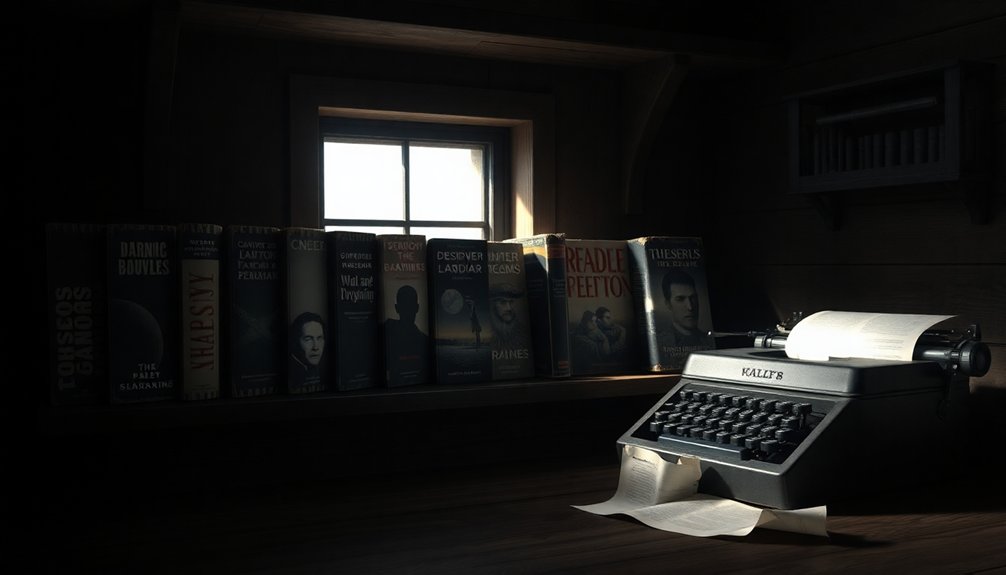
Dystopian literature in the 21st century has produced a wealth of influential works that captivate and challenge readers. Here are three standout dystopian novels that resonate deeply with contemporary themes:
- The Hunger Games by Suzanne Collins explores oppression and rebellion, becoming a cultural phenomenon that reflects societal struggles.
- Station Eleven by Emily St. John Mandel examines the aftermath of a pandemic, emphasizing the significance of art and human connection amidst chaos.
- The Power by Naomi Alderman provocatively addresses gender dynamics, illustrating a world where women gain shocking abilities, prompting discussions on morality and control.
These novels confront issues like climate change, societal collapse, and authority, making them compelling reads that continue to shape our understanding of the world. Additionally, the themes of betrayal and deception in literature align closely with the complex narratives found in modern dystopian tales, heightening their impact on readers.
Conclusion
In exploring the most influential dystopian novels of the 21st century, you’ve seen how these stories mirror our fears and hopes, like a cracked mirror reflecting a distorted reality. They challenge us to confront societal issues and inspire change. As you immerse yourself in these powerful narratives, remember their impact extends beyond fiction; they spark conversations that shape our understanding of the world. Embrace these tales, and let them guide your perspective on the future we’re creating.