
From Goosebumps to Penguin Classics, book cover art has evolved dramatically, shaping how you engage with literature. Goosebumps redefined children’s horror with its vibrant designs, capturing attention and sparking nostalgia. In contrast, Penguin Classics shifted from simple layouts to bold, modern artwork appealing to younger audiences. These iconic covers not only reflect cultural shifts but also serve as essential marketing tools. If you explore further, you’ll uncover more about how these trends impact reader preferences and experiences.
The Impact of Cover Art on Reader Engagement
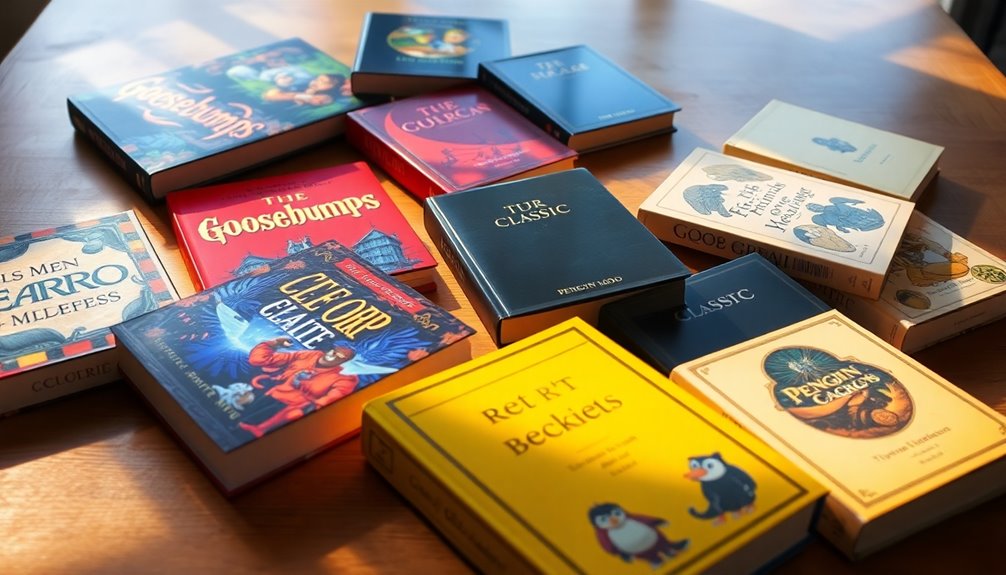
When you pick up a book, the cover often grabs your attention first, setting the stage for your reading experience. Iconic book covers, like those from the Goosebumps series, evoke nostalgia and curiosity, pulling you in with their vibrant, spooky designs.
Research shows that visually appealing cover art considerably influences reader engagement and increases the likelihood of purchase. Covers that resonate with a book’s themes, such as Penguin Classics, utilize distinctive color palettes and imagery to enhance their impact. Engaging cover designs can also echo the themes of resilience and strength found in the stories, inviting readers to connect with the narrative on a deeper level.
As cover art evolves, it reflects changing cultural tastes, emphasizing the need for publishers to adapt. Engaging cover designs not only capture your attention but also communicate the essence of the story, acting as a visual gateway to the narrative within.
How Goosebumps Redefined Children’s Horror Literature
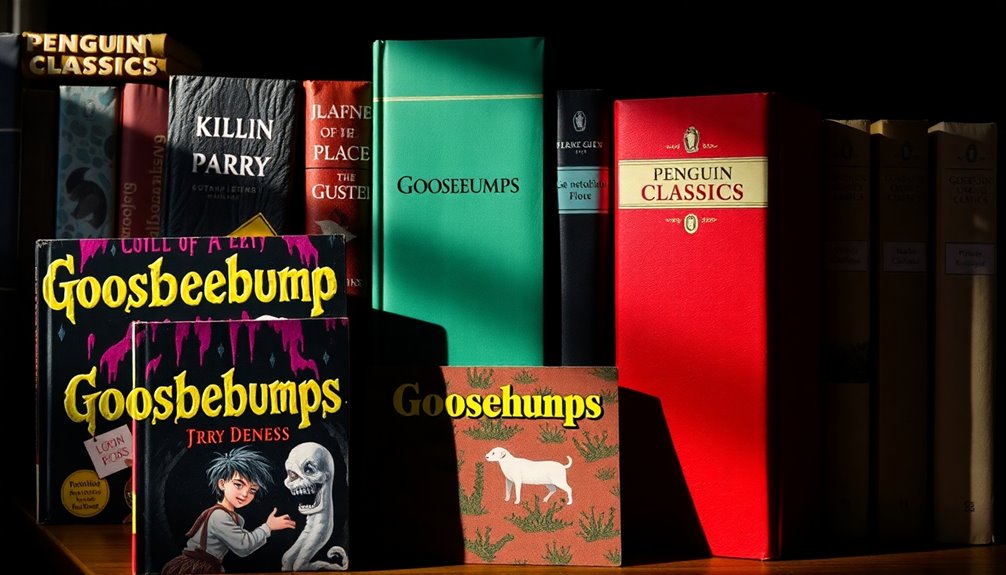
Although horror literature for children existed before Goosebumps, R.L. Stine transformed the genre when he launched the series in 1992. With over 400 million copies sold, Goosebumps redefined what children’s horror could be.
The striking Goosebumps covers, created by Tim Jacobus, captured young readers’ attention with their vibrant colors and spooky imagery. Stine cleverly explored common childhood fears, featuring relatable characters caught in extraordinary situations.
By blending horror with humor, he made frightening themes accessible and fun, while also imparting valuable moral lessons. The franchise’s success led to adaptations in TV and film, cementing its place in popular culture and inspiring a new generation of horror writers and readers.
Goosebumps truly set a new standard in children’s horror literature, much like how epic quests and magical realms have captivated the imaginations of young readers in fantasy adventures.
The Evolution of Penguin Classics Cover Design
As Penguin Classics has evolved over the decades, its cover designs have reflected changing tastes and trends in the literary world. Initially, these covers featured simple layouts to emphasize the text, but the iconic black spine and white lettering emerged in the 1940s, establishing a recognizable brand.
Fast forward to the 2000s, and you’ll see Penguin Classics embracing bold colors and contemporary artwork, appealing to a younger audience while respecting literary integrity. Collaborations with modern artists have created visually striking covers that reinterpret classic texts.
Additionally, thematic collections and special editions, like the Penguin Clothbound Classics, boast intricate designs and high-quality materials, showcasing the series’ commitment to both artistry and literature throughout its evolution. The influence of classic theater architecture can be seen in the artistic choices made for these covers, emphasizing the connection between literature and visual storytelling.
Artistic Techniques in Goosebumps Cover Art
Goosebumps cover art employs a variety of artistic techniques that captivate young readers and evoke a thrilling sense of horror. Created by Tim Jacobus, these iconic covers use vibrant colors and dynamic illustrations to draw you in.
The forced perspective and monochromatic color schemes enhance visual storytelling, creating a haunting atmosphere that resonates with horror fans. Textures and hyperrealistic details, like eerie expressions and fabric folds, amplify the emotional impact of each cover.
Familiar horror tropes, featuring creepy monsters and unsettling settings, tap into childhood fears, urging you to explore the stories within. This unique balance of humor and horror makes Goosebumps covers both memorable and enduring in popular culture, appealing to children and nostalgic adults alike. Additionally, the iconic twist ending in many mystery novels, such as Agatha Christie’s “And Then There Were None,” showcases how impactful storytelling can leave a lasting impression on readers.
The Role of Nostalgia in Book Cover Appeal
Nostalgia greatly enhances the appeal of book covers, evoking cherished memories of childhood reading experiences. When you see familiar designs, it can transport you back to simpler times.
Here are a few ways nostalgia influences your connection to book covers:
- Emotional Resonance: Iconic covers, like those from the Goosebumps series, spark excitement and fear, reminding you of thrilling childhood reads.
- Preference for Originals: Many readers favor original artwork, feeling a strong attachment to first editions of classics like “Brave New World.”
- Collective Memory: The vibrant colors and unique styles of these covers create a sense of community, drawing collectors enthusiastic to reconnect with their past.
Nostalgia not only drives purchasing decisions but also keeps these beloved images alive in cultural conversations, much like how the cultural impact of E.L. James’s Fifty Shades series reshaped perceptions of intimacy and desire.
Visual Storytelling: What Makes a Cover Iconic?
When you look at an iconic book cover, the colors and artistic style immediately draw you in, setting the mood before you even read the first line. Each design choice resonates emotionally, creating a connection that lingers long after you’ve seen it. This visual storytelling reflects the importance of young adult fiction, highlighting how covers can resonate with contemporary societal challenges and inspire a deeper connection with the reader.
Color Psychology’s Impact
Although color might seem like a simple design choice, it profoundly influences how readers perceive a book cover and its story. A strategic color palette can evoke different emotions and set the tone effectively.
Consider these aspects:
- Vibrant Colors: Reds and purples can create excitement or fear, perfect for horror-themed works like Goosebumps.
- Contrasting Colors: Utilizing contrasting hues grabs attention and enhances thematic elements, as seen in “The Haunted Mask.”
- Monochromatic Palettes: These can evoke unease, deepening the haunting atmosphere and engaging readers’ curiosity.
Artistic Style Variations
Color choices are just the beginning of what makes a book cover iconic; the artistic style plays a vital role in visual storytelling.
Think about the Goosebumps book covers you remember—the vibrant colors and dynamic imagery pull you in, creating an immediate emotional response. Techniques like forced perspective invite you to feel part of the action, while monochromatic palettes enhance a haunting atmosphere.
These covers balance elements of horror and humor, appealing to both kids and nostalgic adults. Simple yet impactful designs, often featuring hyperrealistic details, make these covers stand out and leave a lasting legacy.
It’s this blend of creativity and strategy that turns a cover into an iconic piece of art.
Emotional Resonance in Design
While the aesthetic appeal of a book cover is essential, it’s the emotional resonance that truly captivates readers. Iconic covers, like those from the Goosebumps series, effectively evoke feelings that draw you in.
Here are three ways emotional resonance in design shines through:
- Vibrant Colors: They create nostalgia and intrigue, making you want to explore further.
- Dynamic Imagery: Hyperrealistic elements immerse you in themes of fear and adventure, enhancing your connection to the story.
- Balance of Humor and Horror: This interplay makes the covers appealing to a wide range of young readers, inviting them on an emotional journey.
Tim Jacobus’s artwork exemplifies how these elements can resonate across generations, solidifying the Goosebumps legacy in popular culture.
Comparing Tim Jacobus and Modern Illustrators
When you compare Tim Jacobus’s vibrant, dynamic art with the minimalist designs of modern illustrators, you see a clear shift in techniques. Jacobus’s exaggerated perspectives and playful imagery evoke nostalgia, while today’s covers often focus on subtlety and conceptual visuals. This contrast not only highlights changing artistic trends but also reflects evolving audience preferences in literature. The enduring legacy of storytelling, as seen in tales like Kane and Abel, continues to inspire various artistic interpretations in book cover design.
Artistic Techniques Comparison
- Artistic Techniques: Jacobus uses forced perspective and hyperrealism, while modern illustrators favor clean lines and subtle palettes.
- Imagery Style: His whimsical, exaggerated features contrast with the sophisticated aesthetics of contemporary Penguin Classics.
- Nostalgia vs. Timelessness: Jacobus evokes nostalgia through memorable visuals, while modern designs aim for a broader, timeless appeal.
These shifts reflect the evolving landscape of book cover art.
Nostalgic Impact Analysis
As nostalgia for Tim Jacobus’s iconic Goosebumps covers continues to thrive, modern illustrators find themselves maneuvering the delicate balance between honoring his vibrant style and carving out their own unique identities.
Jacobus’s work, celebrated for its hyperrealistic details and playful horror elements, evokes fond memories for many adult readers. In contrast, today’s artists often lean toward minimalist designs and digital techniques, which lack the dynamic flair that captivated a generation.
Despite this shift, Jacobus’s influence remains powerful; contemporary illustrators frequently draw inspiration from his distinctive blend of humor and horror. This nostalgia fuels the market for reprints and collector editions, where original Goosebumps designs often reign supreme, connecting fans with their cherished childhood experiences.
Cultural Reflections in Book Cover Design
Book covers often serve as a mirror to the cultural landscape, showcasing how societal changes and trends shape the way stories are visually presented. The evolution of covers, like those for Goosebumps, exemplifies this shift.
Here are three key reflections in book cover design:
- Vibrant Colors and Themes: Goosebumps embraced playful horror with bright colors in the 90s, drawing younger audiences.
- Nostalgic Aesthetics: Penguin Classics evoke traditional designs, contrasting modern interpretations that aim to attract new readers.
- Emotional Connections: Readers often prefer original covers, indicating a deep emotional link between the visual representation and their experiences with the stories.
- Queer Identity Representation: Contemporary covers often reflect queer identity themes more openly, acknowledging the cultural significance of LGBTQ+ narratives in literature.
These elements highlight how cultural trends influence book cover designs, ensuring they resonate with changing tastes and expectations.
The Intersection of Art and Marketing in Publishing
While art often expresses creativity and emotion, it also plays a pivotal role in marketing within the publishing industry. Book covers serve as critical tools, shaping reader perceptions and influencing purchase decisions by visually capturing a book’s themes and genre.
Take the Goosebumps series, for example; those vibrant covers attract young audiences, enhancing the stories’ appeal. Over time, iconic designs for classics like “Nineteen Eighty-Four” have evolved, reflecting shifting artistic trends and consumer preferences.
Publishers frequently collaborate with artists, like Tim Jacobus, to craft memorable covers that resonate with readers. Striking the right balance between artistic expression and marketability is essential to stand out in a crowded market, as frequent redesigns demonstrate the need to keep titles relevant to contemporary audiences. The allure of a well-crafted cover can evoke the same ambition and rivalry that drive characters like Kane and Abel in their relentless pursuit of success.
Reader Preferences: Original Covers vs. Modern Designs
When it comes to choosing between original covers and modern designs, many readers lean towards the nostalgic appeal of classic artwork. Original covers evoke strong emotional responses and serve as a connection to literary history.
Here are three reasons why you might prefer them:
- Artistic Quality: Original covers, like those for “Invisible Man” and “Slaughterhouse-Five,” often showcase intricate designs that captivate the eye.
- Iconic Status: Covers of classics such as “Nineteen Eighty-Four” and “The Old Man and the Sea” have become synonymous with the books, shaping your reading experience.
- Nostalgia: The original covers of beloved series like “Goosebumps” remind you of your formative reading years, making them hard to replace with modern interpretations. Additionally, the emotional impact of storytelling in darkness is often mirrored in the imagery of these covers, enhancing the reader’s connection to the narrative.
The Future of Book Cover Art in a Digital Age
As you explore the future of book cover art in this digital age, you’ll notice how innovations in digital art are reshaping designs for e-books.
Interactive visual experiences are becoming essential, allowing readers to engage with covers in new ways.
Digital Art Innovations
The evolution of digital art has sparked a revolution in book cover design, pushing the boundaries of creativity and innovation.
With digital art innovations, you can see how designers are transforming covers into enchanting visuals. Here are some key trends:
- Dynamic Illustrations: Artists are using tools like Adobe Creative Suite and Procreate to create intricate designs that capture attention.
- Bold Typography: As e-books rise, covers now emphasize clear typography and striking imagery for smaller screens, ensuring visibility.
- Interactive Experiences: Augmented reality (AR) technology allows readers to engage with covers in innovative ways, enhancing the experience—think of it as a modern take on Classic Goosebumps.
These advancements not only attract readers but also reshape how stories are presented in the digital age.
E-Book Cover Design
E-book cover design is rapidly transforming to meet the demands of the digital age, where visibility and impact are paramount.
In crowded online marketplaces, bold typography and vibrant colors grab readers’ attention. With the rise of self-publishing, you’ll notice a diverse range of cover styles, allowing authors to express their unique voices and branding.
Classic horror titles often receive a fresh twist, blending traditional elements with modern aesthetics. Effective e-book covers are optimized for various screen sizes, ensuring they shine on both e-readers and mobile devices.
Trends like minimalist designs and the fusion of photography with graphic elements create a sophisticated look that resonates with contemporary readers, making your e-book stand out in a sea of options.
Interactive Visual Experiences
How can interactive visual experiences revolutionize book cover art in the digital age? These innovations engage you in ways traditional covers can’t.
Imagine a book cover that:
- Animates as you approach it, revealing hidden elements that spark curiosity.
- Uses augmented reality to bring characters or scenes to life, enhancing your connection to the story.
- Changes based on your location or the time of day, making the reading experience feel uniquely personal.
With dynamic cover designs, publishers create visually striking art that resonates with your preferences.
Social media trends amplify this evolution, while data analytics help tailor visuals for specific demographics.
As e-books rise, expect these interactive visual experiences to redefine how you engage with literature.
Conclusion
As you explore the enchanting world of book cover art, remember that a striking cover can increase a book’s sales by up to 30%. This statistic highlights the importance of design in connecting with readers. Whether it’s the nostalgia of Goosebumps or the timeless elegance of Penguin Classics, cover art influences your choices and emotions. As the digital landscape evolves, embrace the creativity and artistry that continues to shape your reading experience. What will the future hold for your beloved books?