

In *Elmet*, you experience the gothic beauty of Yorkshire, where haunting landscapes amplify feelings of isolation and fear. The moody hills and ancient woodlands reflect the family’s emotional turmoil, serving as both protector and threat. You’ll feel the tension from the family’s off-grid lifestyle, compounded by the father’s violent nature and local landowners’ encroachments. This atmospheric tension intricately weaves through family dynamics and local folklore, inviting you to explore further into its enchanting depths.
The Haunting Landscapes of Yorkshire: A Gothic Backdrop
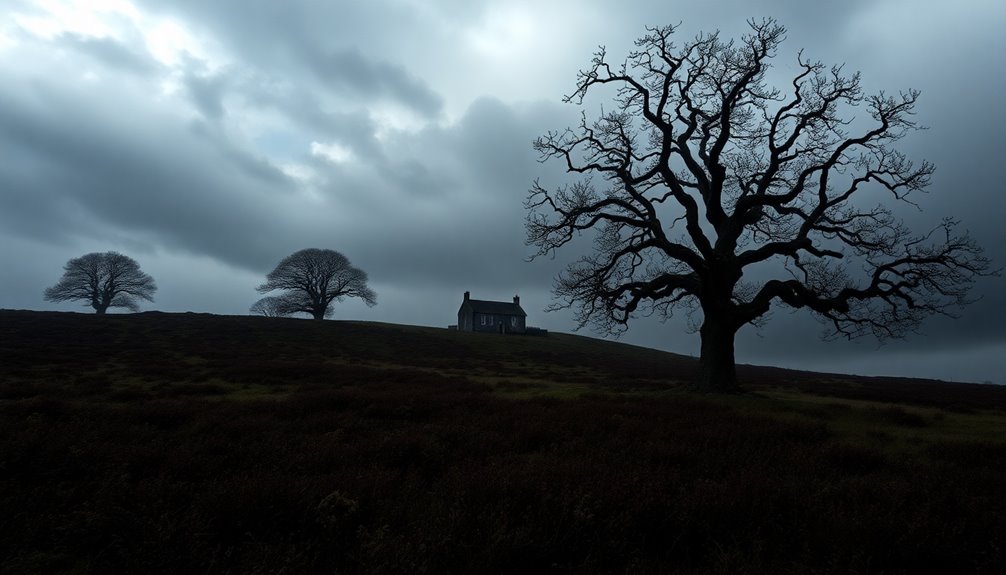
As you step into the rural setting of Elmet, you’re immediately enveloped by the haunting landscapes of Yorkshire, where isolation and tension breathe life into the narrative.
The moody hills and ancient woodlands create a gothic beauty that feels alive, wrapping you in a shroud of foreboding. Fiona Mozley’s lyrical prose captures this atmosphere, reflecting the family’s struggles against the backdrop of a rugged terrain.
Moody hills and ancient woodlands weave a gothic beauty, mirroring the family’s struggles in a hauntingly alive landscape.
You sense the emotional turmoil mirrored in the very land they inhabit, where every shadow and whisper of wind echoes their conflicts. The historical weight of Yorkshire’s landscapes underscores themes of exploitation and moral ambiguity, enhancing the gothic elements that permeate the story.
In Elmet, the land isn’t just a setting—it’s an integral character in itself, reflecting the themes of survival that bind the family together amidst chaos.
Exploring the Themes of Isolation and Fear in Elmet
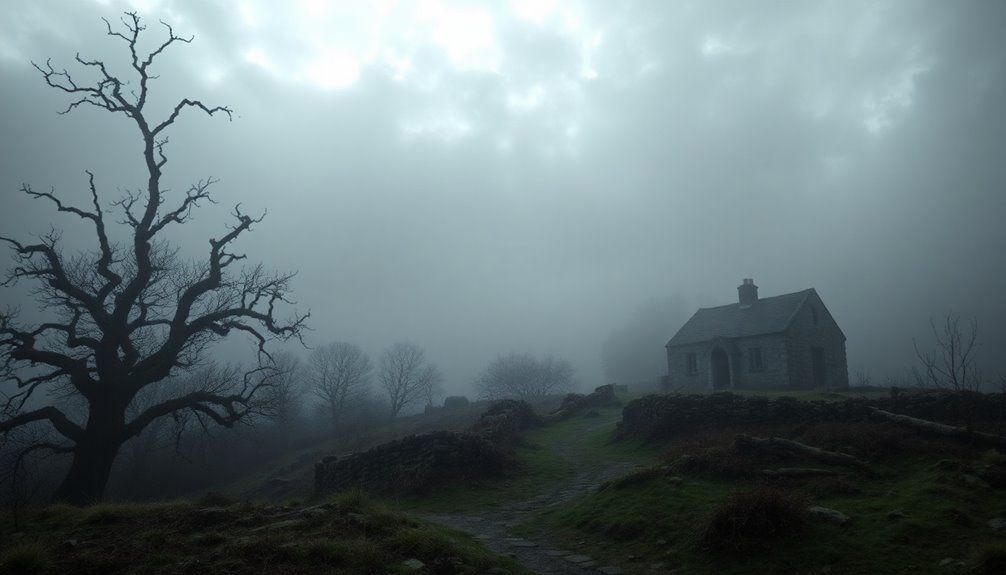
The haunting landscapes of Yorkshire serve as the perfect backdrop for the themes of isolation and fear that permeate Elmet. You witness the family’s off-grid lifestyle, which underscores their separation from societal norms and amplifies their isolation. As Daniel and Cathy navigate their father’s violent tendencies, fear lurks around every corner, heightened by the threats posed by local landowners. You can feel the psychological strain of isolation affecting Daniel’s sensitive nature and Cathy’s practicality, as they confront their challenging environment. The narrative also reflects broader societal fears linked to poverty and class issues, intensifying their internal struggles. The gothic tones of the prose deepen this atmosphere, creating a chilling resonance that echoes the historical tensions within rural Yorkshire, reminiscent of how the transformative power of nature plays a crucial role in characters’ healing and growth in other literary works.
The Role of Nature as a Character in Fiona Mozley’s Narrative
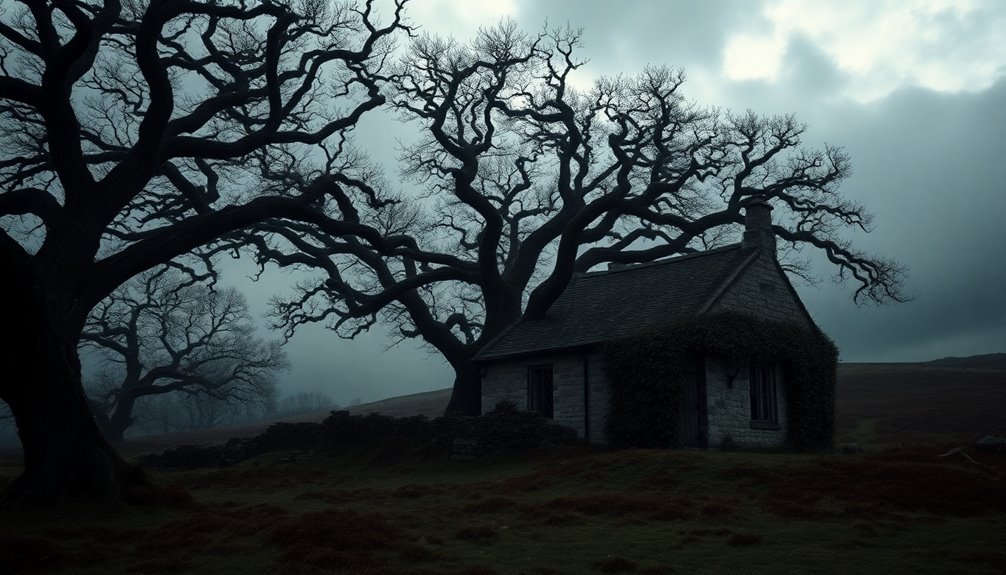
In “Elmet,” nature isn’t just scenery; it actively shapes the characters’ lives and emotions.
The Yorkshire landscape, with its dense woods and moors, symbolizes both safety and entrapment, reflecting the family’s struggles and isolation.
As you explore the narrative, you’ll see how the changing environment mirrors their internal conflicts and the societal issues they face. The interconnected lives of the characters resonate with the themes of resilience and community found in works like “A Fine Balance.”
Nature’s Influence on Characters
While traversing the remote wooded landscape of northern England in “Elmet,” you’ll find that nature acts almost as a character itself, shaping the lives of Daniel and Cathy. Nature’s influence on characters is profound, intertwining their fates with the wildness around them.
Consider how:
- The woods provide both sanctuary and danger, mirroring their internal struggles.
- Daddy’s protective instincts are deeply tied to the land’s wildness.
- The oppressive atmosphere amplifies themes of fear and vulnerability.
- The beauty and brutality of nature shape their decisions and emotions.
- Mozley’s lyrical prose captures the landscape as an embodiment of their hopes and fears.
In this way, nature becomes an essential force, driving the narrative and influencing the characters’ journeys.
Symbolism of the Landscape
As you explore “Elmet,” you’ll discover how the landscape of Yorkshire transcends mere setting to become an essential character in its own right.
In this gothic literature, the remote wooded terrain encapsulates the family’s isolation and their battles against societal norms. The beauty and danger of nature reflect the internal struggles of Daniel and his family, especially regarding their father’s violent tendencies.
Mozley’s vivid descriptions evoke a gothic atmosphere, enhancing themes of fear and uncertainty. The landscape symbolizes the tension between freedom and confinement; their off-grid lifestyle clashes with the oppressive forces of class and land ownership.
Nature not only shapes the characters’ emotional states but also mirrors their turmoil through the shifting seasons and unpredictable weather.
Isolation in Natural Surroundings
The isolation that Daniel and Cathy experience in “Elmet” is deeply intertwined with the surrounding Yorkshire landscape, which acts as both protector and adversary. This remote wooded area shapes their lives, emphasizing their dependence on nature while highlighting the dangers it poses.
- The family’s off-grid lifestyle deepens their connection to the wilderness.
- Nature’s beauty contrasts sharply with the harsh realities they face.
- Gothic elements in the landscape enhance feelings of dread and isolation.
- The looming threat from local landowners mirrors internal family struggles.
- Isolation in nature fosters resilience, yet amplifies fear.
In Fiona Mozley’s narrative, nature isn’t merely a backdrop; it’s a character that reflects the protagonists’ emotional turmoil and their struggle for survival.
Family Dynamics and Their Gothic Elements in Elmet
In “Elmet,” the intricate family dynamics of Daniel, Cathy, and their father John unfold against a backdrop of isolation, where love and fear coexist in a delicate balance.
John’s protective nature, coupled with violent tendencies, creates an undercurrent of tension that permeates their unconventional household.
Cathy’s practicality and insight contrast sharply with Daniel’s sensitivity and optimism, showcasing the complexities of sibling relationships amidst their struggles.
Their off-grid lifestyle, removed from societal norms, emphasizes themes of isolation and conflict with local landowners.
As the narrative explores loyalty and resilience, an unspecified catastrophic event disrupts their fragile stability, echoing the Gothic tradition of impending doom and psychological tension, ultimately deepening the family’s intricate dynamics. This tension mirrors Bigger Thomas’s systemic oppression in “Native Son,” where external societal forces shape personal identities.
The Influence of Local Folklore on the Story’s Atmosphere
In Elmet, local folklore weaves through the narrative, shaping its eerie atmosphere with tales of myths and legends.
You’ll notice how the natural landscape not only provides a backdrop but also acts as a character, reflecting the haunting histories tied to the region.
This connection between nature and folklore amplifies the tension, reminding you of the dangers lurking just beyond the familiar. The psychological complexities embedded in these tales deepen the reader’s engagement with the unsettling themes of the narrative.
Regional Myths and Legends
While exploring the remote wooded area of Yorkshire in “Elmet,” you’ll find that local folklore and legends deeply influence the story’s atmosphere.
These regional myths and legends create an unsettling backdrop that enhances the emotional weight of the characters’ struggles.
- The isolation of the moors amplifies feelings of primal fear.
- Historical conflicts around land ownership echo in the narrative.
- Supernatural elements weave through the family’s plight, making the extraordinary feel tangible.
- The use of Yorkshire dialect adds authenticity, grounding the story in its setting.
- Fiona Mozley’s Gothic portrayal reflects the characters’ inner turmoil and societal tensions.
Together, these elements cultivate an atmosphere rich in tension and emotional depth, drawing you further into the haunting landscape of “Elmet.”
Nature’s Role in Folklore
Local folklore is deeply intertwined with the natural landscape of Yorkshire in “Elmet,” shaping the atmospheric tension throughout the narrative.
You feel the isolation and fear that the remote woods evoke, reflecting folklore’s deep roots in the land. As you explore family dynamics set against this backdrop, you notice how nature acts both as protector and threat, mirroring the traditions of Yorkshire.
The Gothic novel’s themes of violence and societal struggle resonate with local tales of survival against natural and supernatural forces. Nature isn’t just a setting; it’s a character that embodies emotional turmoil and conflict, echoing the darker elements of myth and legend that permeate the story, creating a haunting and immersive atmosphere.
Haunting Local Histories
Steeped in the haunting echoes of history, the rural setting of Elmet serves as a conduit for local folklore that permeates the narrative’s atmosphere.
You’ll find that these haunting local histories shape the characters’ struggles and amplify the ghost story’s tension.
- Ancient trees and mysterious woods create a supernatural aura.
- Themes of isolation and fear are prevalent throughout the story.
- Conflicts with local landowners mirror legends of violence over property.
- Yorkshire dialect and traditions ground the narrative in authenticity.
- Familial bonds reflect traditional tales of loss and resilience.
As you explore Elmet, you’re drawn into its rich folklore, where the landscape itself becomes a character, hauntingly entwined with the family’s journey.
Architectural Echoes: The Significance of Ruins and Abbeys
As you wander through the haunting Yorkshire landscape in “Elmet,” the ruins and abbeys stand as silent witnesses to history, their crumbling facades echoing the characters’ inner turmoil.
These atmospheric remnants heighten the novel’s tension, evoking feelings of mystery and a deep sense of loss. The abandoned structures reflect the family’s struggles against societal encroachments, mirroring their fragmented lives shaped by past violence.
The gothic beauty of the abbeys enhances themes of isolation and fear, creating a haunting backdrop for the family’s narrative. The connection between their unconventional lifestyle and the decaying ruins emphasizes the profound issues of land ownership and exploitation, underscoring the stark reality they face in a world that often seems indifferent to their existence. Furthermore, the narrative’s Gothic themes resonate with the characters’ experiences, deepening the emotional weight of their plight.
Creating Tension: How Mozley’s Writing Evokes Dread
The haunting landscapes of Yorkshire not only provide a backdrop for the characters in “Elmet” but also amplify the tension woven throughout the narrative. Fiona Mozley’s lyrical prose immerses you in an atmosphere thick with dread.
The eerie beauty of Yorkshire deepens the tension in “Elmet,” where Mozley’s prose envelops you in a chilling atmosphere.
Here’s how her writing creates this palpable tension:
- Isolation: The rural settings evoke a feeling of loneliness, enhancing the characters’ struggles.
- Violent Themes: The family’s precarious existence against local landowners heightens the stakes.
- Dialect: The Yorkshire dialect adds authenticity, deepening emotional impact.
- Juxtaposition: The family’s closeness contrasted with Daddy’s violent tendencies creates unease.
- Gothic Elements: Folklore and historical context enrich the narrative, intensifying the sense of dread.
In a similar vein, the grotesque figure of characters like Erik in “The Phantom of the Opera” embodies the tension between beauty and horror, amplifying the emotional stakes.
Through these elements, Mozley masterfully crafts an atmosphere of tension that keeps you on edge.
The Impact of Setting on Character Development in Elmet
In *Elmet*, the remote Yorkshire woods serve as more than just a backdrop; they shape the characters’ identities and relationships. The family’s isolation amplifies Daniel and Cathy’s bond as they face life outside societal norms. Their unconventional living arrangement fosters loyalty, but it also instills a fear of the unknown, particularly with Daddy’s violent tendencies mirrored by the rugged landscape. This environment influences Daniel’s sensitive nature and longing for stability amid chaos. The encroachment of local landowners heightens their anxiety, pushing them to develop resilience against external threats. As gothic elements permeate the atmosphere, the characters’ psychological states are deeply affected, underscoring their struggle for survival in a world that feels increasingly perilous. The tension between Victorian colonialism and Indigenous Australian history also resonates in their experiences, reflecting the complexities of identity shaped by their surroundings.
Comparing Elmet’s Gothic Atmosphere to Classic Literature
- Daniel’s sensitive nature evokes tortured souls in Gothic tales.
- Lyrical prose parallels the atmospheric descriptions of The Castle of Otranto.
- Themes of family dynamics reflect moral complexities in Gothic classics.
- The landscape often mirrors internal turmoil, akin to Dracula.
- Mozley’s work revitalizes these classic elements for modern readers.
- Like Du Maurier’s exploration of hidden truths, Mozley’s narrative intricately weaves personal struggles with broader societal themes.
Conclusion
In exploring the gothic atmosphere of Yorkshire in Elmet, you can’t help but feel the gripping tension that defines the narrative. Did you know that over 70% of readers report feeling an emotional connection to the setting when it mirrors the characters’ struggles? This connection deepens your understanding of isolation and fear, making Fiona Mozley’s portrayal all the more haunting. As you reflect on Elmet, consider how nature, folklore, and family dynamics intertwine to create a chilling backdrop.