

In *Of Mice and Men*, George and Lennie’s tragic brotherhood thrives on loyalty, shared dreams, and the weight of responsibility. George protects Lennie, carrying the burden of his unpredictable nature while nurturing their dream of owning land. This hope serves as a fragile refuge from the harsh realities of their world. However, innocence turns tragic amid their struggles, leading to choices that redefine their bond. Discover how these elements intertwine to shape their powerful, yet heartbreaking story.
The Foundation of George and Lennie’s Friendship
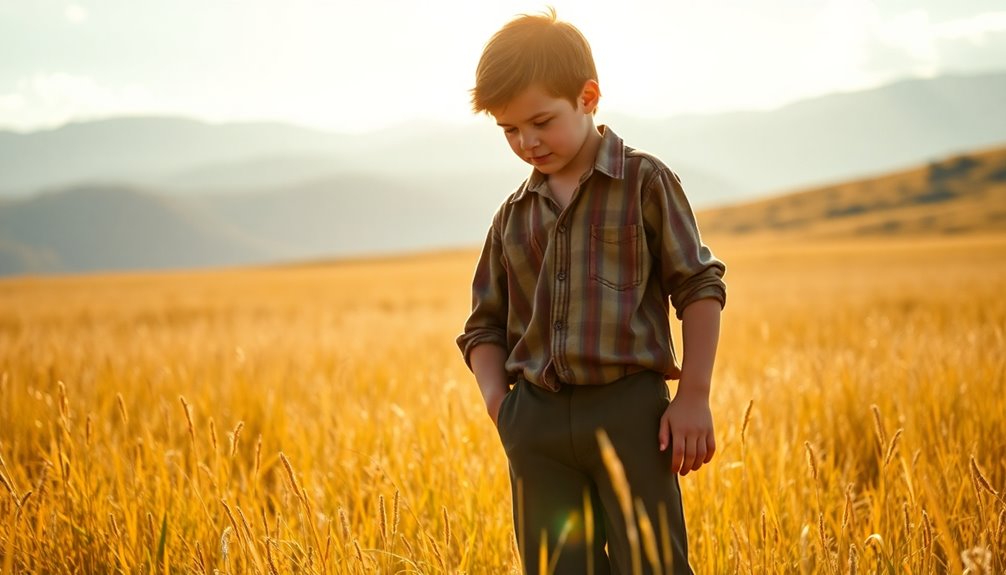
The foundation of George and Lennie’s friendship is rooted in loyalty and shared dreams. You see, George takes on the role of protector for Lennie, especially after Aunt Clara’s death.
Their dream of owning a piece of land symbolizes hope amidst their tough lives. While others on the ranch feel isolated, George and Lennie’s bond offers emotional support, allowing them to navigate their harsh realities together.
Their shared dream of land becomes a beacon of hope, fostering a deep emotional bond that helps them face life’s harsh realities together.
Lennie’s innocence and dependence on George highlight the complexities of their relationship, showcasing both its strength and fragility. Despite the challenges Lennie’s mental disabilities present, George’s unwavering commitment to him underscores the sacrifices inherent in their friendship.
Together, they cling to their dream, finding solace in each other’s company. This deep connection contrasts sharply with the isolation and unfulfilled dreams experienced by other characters on the ranch.
The Burdens of Responsibility in Their Relationship
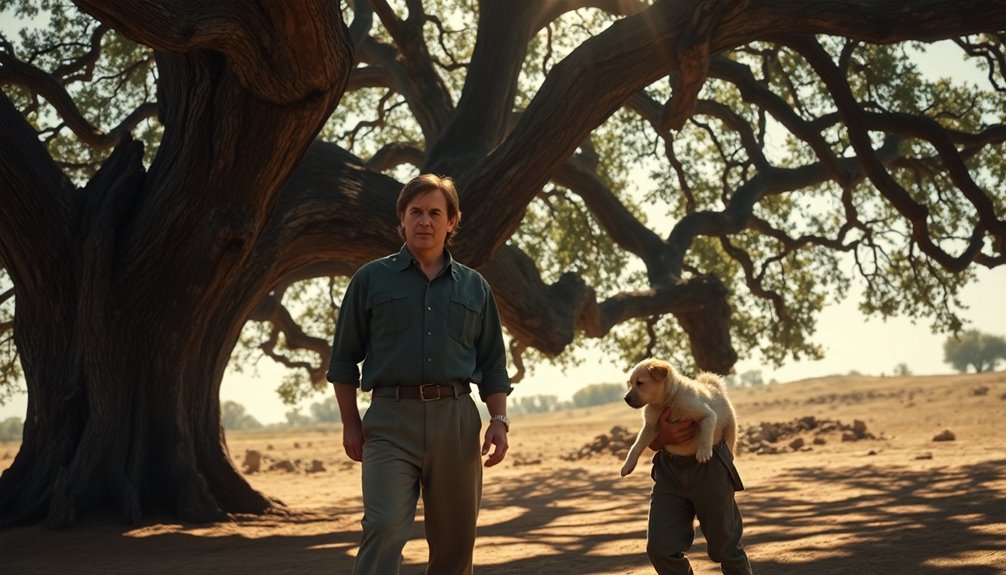
While George dreams of a better life, he also grapples with the heavy burdens of responsibility that come with caring for Lennie.
After Aunt Clara’s death, George becomes Lennie’s protector, facing challenges and job losses due to Lennie’s unpredictable behavior. Yet, despite these hardships, his loyalty remains steadfast.
He often reassures Lennie, saying, “I want you to stay with me, Lennie… Your Aunt Clara wouldn’t like you running off by yourself.” This deep commitment highlights the emotional conflict George endures.
Ultimately, his tragic decision to end Lennie’s life stems from a desire to shield him from a harsh world and lighten his own burdens of responsibility. This act underscores the painful sacrifices entwined in their brotherhood, mirroring the systemic discrimination faced by characters in A Lesson Before Dying.
Innocence and Strength: Lennie’s Dual Nature

Lennie’s innocent intentions often lead to tragic outcomes, revealing the complexity of his character. While his strength can create bonds, it also shatters fragile dreams when he unintentionally causes harm. This duality highlights the struggle between his childlike nature and the harsh realities of the world he inhabits. Ultimately, Lennie’s fate underscores the pervasive impact of systemic injustice on individuals who are marginalized by society.
Innocent Intentions, Tragic Outcomes
Despite his immense strength, Lennie’s childlike innocence often leads to tragic outcomes, shaping the narrative of *Of Mice and Men*.
Your understanding of Lennie Small reveals a character whose innocent intentions clash with reality. He simply wants to pet soft things, not realizing that his powerful grip can cause harm.
The incident in Weed exemplifies this disconnect; his affection is misinterpreted, showcasing his lack of awareness of social norms.
This duality—a blend of immense strength and childlike innocence—creates a fragile dynamic in his relationship with George.
Ultimately, Lennie’s tragic end serves as a haunting reminder of how innocence, when untempered by understanding, can collide with a harsh world, leading to irreversible consequences for both characters.
Strength Beneath Fragile Dreams
Innocence often masks the weight of strength, and in Lennie’s case, this duality shapes his tragic path in *Of Mice and Men*. His innocent desires clash dramatically with his physical capabilities, creating a profound fragility in the pursuit of the American dream.
- Lennie’s childlike trust leads to tragic misunderstandings.
- His longing to pet soft things often results in harm.
- The incident in Weed highlights his mental limitations.
- Strength and innocence coexist, causing fear among others.
- His dual nature reflects broader struggles of dreamers.
As you explore Lennie’s character, you see how his strength, coupled with innocence, ultimately undermines the fragile dreams he shares with George, illustrating the devastating consequences of this tension.
Dreams and Aspirations: A Shared Vision
George and Lennie’s dream of owning a piece of land isn’t just about escaping their harsh reality; it symbolizes their deep companionship. This shared vision of a simple life with a garden and rabbits reflects their desire for innocence and connection in a world that often feels isolating. Yet, as you explore their aspirations, you’ll see how this dream also highlights the fragility of hope in their lives. The complexities of their relationship echo the themes of racial prejudice seen in Richard Wright’s *Native Son*, illustrating how societal pressures can shape personal dreams and aspirations.
Shared Dream of Land
Hope drives George and Lennie’s shared dream of owning a piece of land, a vision that symbolizes their yearning for independence and a better life amid the harsh realities of the Great Depression. This dream not only motivates them but also embodies their deepest desires:
- A secure home, free from the instability of itinerant life.
- Tending a garden, representing self-sufficiency and nurturing.
- Raising rabbits, reflecting companionship and simplicity.
- Escaping isolation, fostering a sense of belonging.
- Achieving the broader American Dream, despite overwhelming challenges.
As they cling to this shared dream, it becomes a fragile beacon of hope.
However, the tragic events that unfold reveal the harsh truth about the impermanence of dreams and the inevitable loss they face.
Symbolism of Companionship
The shared dream of land symbolizes not just a desire for a better life, but also the deep companionship between George and Lennie. In the harsh reality of the Great Depression, their vision of owning land and tending to rabbits serves as a refuge from loneliness.
This dream highlights how their friendship provides emotional support, contrasting sharply with the isolation faced by others on the ranch. As they pursue the American Dream, their intertwined hopes emphasize the importance of companionship; each man’s aspirations rely on the other.
The tragic collapse of their dream, culminating in Lennie’s death, starkly illustrates that the loss of companionship leads to profound despair for George, underscoring their bond as both a source of hope and heartache.
The Emotional Weight of Silence and Loss
In the wake of tragic events in *Of Mice and Men*, silence envelops the characters like a heavy fog, weighing down their spirits. This long and aching quiet resonates with the profound loss they experience, reminding you of the fragility of dreams.
- The silence settles “into bones,” showing how deeply grief penetrates their lives.
- Unfulfilled aspirations contrast sharply with George and Lennie’s past hopes.
- It becomes a “scream in the ears,” illustrating unbearable grief.
- The emotional toll of companionship lost is palpable in every moment.
- This weighty silence emphasizes the deep scars left by loss, haunting their existence.
You can feel the emotional weight pressing down, a reminder of dreams now out of reach. In this context, the theme of redemption and dignity emerges, as characters seek meaning amid their despair.
Moments of Connection Amidst Isolation
In “Of Mice and Men,” you see how George and Lennie’s bond offers a rare glimpse of connection in a world marked by isolation.
Their shared dreams and moments of genuine care not only uplift them but also highlight the desperate need for companionship among itinerant workers.
As they navigate hardship, their loyalty becomes a lifeline, reminding us all of the power of human connection. This dynamic mirrors the struggle against systemic racism faced by characters like Bigger Thomas in *Native Son*, emphasizing how oppressive environments can deepen the longing for meaningful relationships.
Bonds in Hardship
Even when surrounded by the harsh realities of the Great Depression, George and Lennie’s friendship offers a powerful refuge from the isolation that defines the lives of itinerant workers. Their bond exemplifies how companionship can provide strength during tough times:
- Emotional support: George helps Lennie navigate a world that can be unforgiving.
- Shared dreams: The dream of the farm symbolizes hope, contrasting their bleak existence.
- Moments of connection: Their discussions about the future deepen their relationship.
- Recognition of need: Crooks highlights that no one can thrive alone, emphasizing the human need for companionship.
- Brotherhood through struggle: Their sacrifices for each other showcase resilience in adversity.
In a world of isolation, George and Lennie’s bond shines as a beacon of hope.
Shared Dreams and Aspirations
George and Lennie’s shared dream of owning a piece of land stands as a powerful symbol of their desire for companionship and stability amid the harsh realities of the Great Depression.
Their vision of a garden, a barn, and rabbits reflects a deep longing for security and belonging, starkly contrasting their lonely existence. As they discuss this dream, you see how it strengthens their bond; it’s a source of hope that fuels their resolve.
Yet, this dream also highlights a tragic inevitability. External circumstances constantly thwart their pursuit of a better life, reminding you that even the deepest aspirations can crumble.
In a world filled with despair, their moments of connection offer fleeting joy, grounding them in their shared humanity.
Moments of Genuine Care
Amidst the isolation of the Great Depression, George and Lennie’s relationship shines brightly, showcasing the moments of genuine care that define their bond. These moments reveal the depth of their connection and the importance of companionship:
- George reassures Lennie about their shared dream, emphasizing loyalty amidst hardship.
- He sacrifices personal opportunities to guarantee Lennie’s safety and well-being.
- Their shared aspirations symbolize hope in a world filled with despair.
- George’s final act of mercy highlights profound love and care for Lennie.
- Their interactions starkly contrast the loneliness felt by other characters.
Through these moments, George and Lennie remind us that genuine care can flourish even in the harshest conditions, illuminating the human need for connection.
The Collapse of Hope and Its Consequences
Hope can be a fragile thing, easily shattered by harsh realities, as seen in *Of Mice and Men*. The collapse of hope is epitomized by George and Lennie’s shattered dream of owning a farm, which crumbles after Lennie’s tragic accident.
Characters like Candy and Crooks momentarily cling to this vision, revealing their desperation for connection amidst their loneliness.
Characters such as Candy and Crooks grasp at fleeting dreams, highlighting their deep yearning for connection in a world of isolation.
Curley’s wife’s death serves as the final blow, leaving George and the others in a bleak world stripped of aspirations.
As dreams slip away piece by piece, the emotional toll becomes evident. The loss of hope transforms their lives into hollow existences, filled with despair, underscoring the psychological consequences of unfulfilled dreams in this harsh landscape. This reflects how systemic racism and injustice can further exacerbate feelings of hopelessness and isolation.
The Role of Fear in Their Lives and Decisions
In a world stripped of dreams, fear takes center stage in George and Lennie’s lives. Their bond is shaped by the constant anxiety that surrounds them, driving their choices and actions.
- Fear of Lennie’s unintentional mistakes leads them to flee from danger.
- Lennie’s fear of loneliness makes him cling to George, showcasing his vulnerability.
- George’s fear of losing Lennie compels him to protect Lennie from harsh realities.
- Curley’s oppressive behavior heightens their awareness of their precarious position.
- The pervasive fear among characters reflects their struggles for survival and social status.
This atmosphere of fear not only complicates their dreams but also reinforces the tragic nature of their brotherhood. The complexities of same-sex relationships in a condemning society amplify their struggles, mirroring Baldwin’s exploration of identity and isolation.
Sacrifice and the Complexity of Loyalty
While loyalty often brings people together, it can also lead to heart-wrenching sacrifices, as seen in George and Lennie’s relationship.
George’s unwavering loyalty to Lennie means he takes on the heavy burden of responsibility for his well-being after Aunt Clara’s death. He sacrifices his own dreams and opportunities, constantly reassuring Lennie about their shared aspirations.
Despite job losses and societal pressures, George remains committed, showcasing the complexity of their bond. Ultimately, his final act of mercy reveals the deep emotional conflict within him; he ends Lennie’s life to protect him from a harsher fate. This illustrates that true loyalty often requires difficult choices, challenging George’s moral compass and underscoring the theme of sacrifice inherent in their brotherhood. In this way, George’s experience mirrors the struggles against systemic oppression faced by characters like Bigger Thomas in “Native Son.”
The Tragic Choices That Define Their Brotherhood
As George navigates the challenges of caring for Lennie, the tragic choices he faces illuminate the depth of their brotherhood. These decisions reveal the intricate balance of love, sacrifice, and responsibility:
- George’s commitment to Lennie after Aunt Clara’s death showcases loyalty.
- The dream of owning a farm symbolizes their shared hope amidst loneliness.
- Lennie’s innocence often leads to unintended tragedies, forcing George’s hand.
- Each difficult decision highlights the emotional weight carried by George.
- The final act of mercy underscores the complexities of love in a harsh world.
Ultimately, these tragic choices shape their bond, illustrating that true brotherhood often involves painful sacrifices and profound responsibilities. This dynamic mirrors Bigger Thomas’s struggles in *Native Son*, where systemic racism similarly influences personal relationships and choices.
Reflections on Brotherhood in a Harsh World
George and Lennie’s bond stands out starkly against the backdrop of a harsh world shaped by the Great Depression. Their tragic friendship highlights the profound need for companionship amidst isolation.
As they share their dream of owning a piece of land, you see how this hope fuels their resilience against adversity. George’s unwavering commitment to Lennie, despite the challenges, reveals the complexities of responsibility and sacrifice that define their brotherhood.
This connection, rare and precious, contrasts sharply with the loneliness experienced by other characters on the ranch. When George makes the heartbreaking decision to protect Lennie from a cruel fate, it underscores the emotional weight of their relationship, leaving you to reflect on the sacrifices made in the name of love and loyalty.
Conclusion
In the end, George and Lennie’s bond mirrors a tragic circus act—one clown juggling dreams while the other, a gentle giant, trips over his own innocence. You can’t help but laugh at the absurdity, but there’s a weight behind every chuckle. Their brotherhood, a tightrope walk between hope and despair, leaves you pondering whether loyalty’s a blessing or a curse in a world that thrives on harsh realities. So, who’s really in control here—the juggler or the clumsy fool?