

In “A Prayer for Owen Meany,” you’ll find a remarkable story of faith and destiny through the deep friendship of Owen Meany and Johnny Wheelwright. Their bond is forged in tragedy and sacrifice, with Owen seeing himself as a divine instrument. This belief deeply influences Johnny’s journey of faith and identity. Owen’s ultimate sacrifice during the Vietnam War reshapes their destinies, illustrating how love and belief can guide life’s choices in extraordinary ways. Explore how their lives intertwine further.
The Unforgettable Bond Between Owen and Johnny

The bond between Owen Meany and Johnny Wheelwright is nothing short of extraordinary, rooted in a childhood marked by a tragic accident that forever intertwines their lives.
Their friendship begins with a devastating event—a foul ball that takes Johnny’s mother away, creating an unbreakable connection between them.
A tragic foul ball forever links Johnny and Owen, forging an unbreakable bond through loss and shared destiny.
As they grow, Owen’s steadfast belief in his purpose as God’s instrument shapes Johnny’s understanding of faith and destiny.
Maneuvering through the complexities of adolescence, including the turmoil of the 1960s, tests their relationship.
Yet, it’s Owen’s ultimate sacrifice—saving Vietnamese children—that solidifies their bond.
This act not only highlights the depth of their friendship but also profoundly influences Johnny, leaving him to grapple with the powerful themes of faith and destiny that Owen embodies. Ultimately, the story invites readers to reflect on their own personal growth and resilience as they navigate through life’s challenges.
Exploring the Theme of Faith in Owen Meany
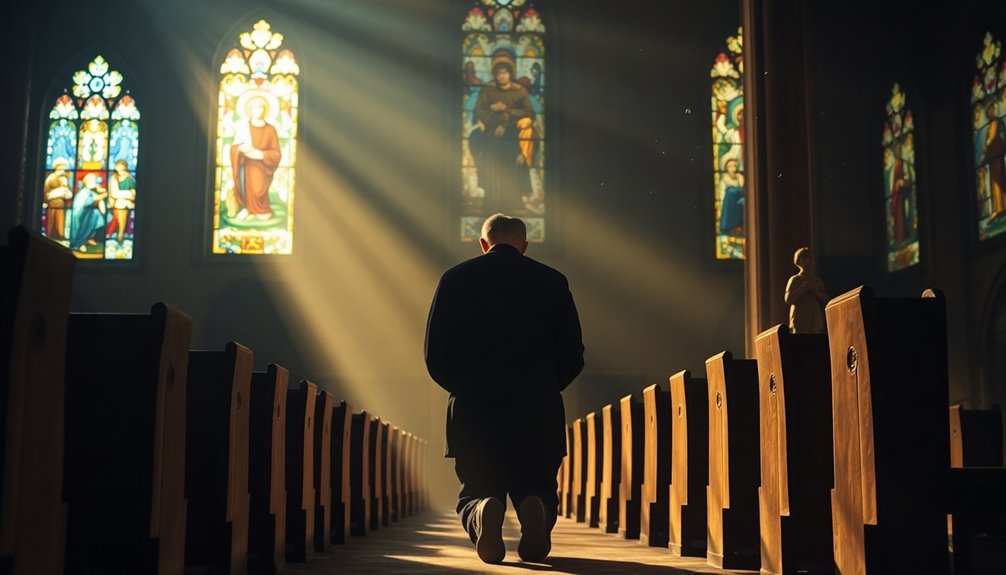
In “A Prayer for Owen Meany,” you see how Owen views himself as a divine instrument, shaping his faith and purpose.
The tragic moment when he accidentally kills John’s mother tests their friendship and forces both boys to confront their beliefs.
As you explore Owen’s journey, you’ll discover how faith intertwines with personal identity and the sacrifices made for others. This exploration of faith mirrors the struggles faced by characters like Isma and Aneeka in Home Fire as they navigate their identities amid societal challenges.
Owen’s Divine Purpose
Faith serves as the guiding force in Owen Meany’s life, shaping his identity and actions in profound ways. He believes he’s God’s instrument, and this conviction leads him to embrace predestination.
This belief drives Owen to:
- Predict his own death, accepting it as part of a greater plan.
- Perform in Dickens’s Christmas Carol, symbolizing his acceptance of fate.
- Sacrifice himself to save others, showcasing his commitment to divine purpose.
- Deeply influence John Wheelwright’s understanding of faith and destiny.
Through these actions, Owen’s unwavering faith resonates, illustrating the intersection of belief and destiny. His journey not only defines him but also challenges you to reflect on your own understanding of faith and purpose.
Faith Through Tragedy
Owen Meany’s journey illustrates how tragedy can serve as a powerful catalyst for faith. When Owen accidentally kills John’s mother, this tragic event deepens his conviction that he’s God’s instrument, reinforcing his belief in destiny.
It’s through this heart-wrenching experience that both Owen and John confront their spirituality, with Owen’s unwavering faith leading him to embrace his prophetic role.
As the narrative unfolds, you see how Owen’s ultimate sacrifice during the grenade attack becomes a manifestation of his faith, profoundly impacting John and their community.
This theme highlights that even in the darkest moments, faith can emerge and strengthen, shaping lives and destinies, as Owen’s actions ripple through the fabric of their existence.
Friendship’s Spiritual Significance
As you explore the profound friendship between John Wheelwright and Owen Meany, it becomes clear that their bond is more than just companionship; it’s a spiritual journey that shapes their understanding of faith.
This connection highlights the significance of friendship in a divine context, where:
- Owen’s belief as God’s instrument challenges John’s views on faith.
- The tragedy of John’s mother’s death deepens their bond, intertwining their destinies.
- Owen’s unwavering faith inspires John to confront his spiritual doubts.
- Sacrificial moments, like Owen’s actions in Vietnam, illustrate friendship as a vessel for divine purpose.
Through these experiences, you see how friendship not only enriches faith but also propels individuals toward understanding their destiny in a larger narrative.
How Does Destiny Shape the Characters’ Lives?

While the characters grapple with their beliefs and choices, destiny weaves an intricate tapestry that shapes their lives in profound ways.
Owen Meany’s unwavering conviction that he’s God’s instrument drives his actions and deeply influences his best friend, John Wheelwright. The tragic moment when Owen accidentally kills John’s mother intertwines their destinies, strengthening Owen’s belief in a higher purpose.
As Owen predicts his own death, it propels both his character and John’s journey, highlighting the struggle between fate and free will. John’s quest to uncover his identity and understand his father is heavily impacted by Owen’s assertions about destiny.
Ultimately, Owen’s sacrificial death cements his role as a martyr in John’s life, forever altering their shared narrative. This mirrors the complexities of same-sex relationships in Baldwin’s *Giovanni’s Room*, where characters navigate societal expectations and personal truths.
Owen Meany: The Prodigy and His Role as God’s Instrument
Owen Meany’s belief that he’s an instrument of God drives every action he takes, making him a powerful force in the lives of those around him.
The tragic incident that claims John’s mother not only deepens their friendship but also shapes Owen’s view of fate and purpose.
As you explore Owen’s journey, you’ll see how his spiritual conviction intertwines with the events that lead to his ultimate sacrifice. His unwavering faith in his destiny reflects the transformative power of empathy that can inspire profound change in oneself and others.
Owen’s Spiritual Conviction
Believing he’s an instrument of God, Owen Meany’s profound spiritual conviction shapes his identity and actions throughout the narrative. His unwavering faith drives him to embrace his destiny, leading to pivotal moments, including:
- His belief in a prophecy that he must fulfill.
- The tragic accident that deepens his understanding of divine intervention.
- His role in guiding John Wheelwright through complex issues of faith.
- His heroic act during a performance of A Christmas Carol, saving lives and embodying his divine purpose.
Owen’s journey illustrates how one person’s conviction can impact those around him, demonstrating the power of faith and the belief in being an instrument of God, ultimately shaping his destiny and those of others.
The Tragic Incident
The tragic incident that forever alters the course of Owen Meany’s life occurs during a seemingly innocent Little League game. As he steps up to bat, a foul ball unexpectedly strikes his best friend’s mother, Tabitha, killing her.
This moment shatters the innocence of childhood and intertwines Owen’s and John Wheelwright’s destinies. Deeply affected, Owen’s unwavering faith solidifies; he believes he’s an instrument of God, destined for a higher purpose.
This accident transforms him from a boy into a tragic hero, grappling with the weight of his perceived role in the universe. The extraordinary consequences of that day set in motion a life marked by sacrifice, reinforcing the intertwined themes of faith and destiny that resonate throughout his journey.
Fate and Friendship
As fate intertwines the lives of Owen Meany and John Wheelwright, their friendship becomes a powerful force that shapes their identities and destinies.
Owen believes he’s God’s instrument, which influences everything around him, including his bond with John. This connection deepens after the tragic incident that forever alters their lives.
Here are four ways their friendship exemplifies the theme of fate:
- Shared Tragedy: The accidental death of John’s mother unites them in grief and purpose.
- Unwavering Faith: Owen’s belief in his divine role reassures John amidst chaos.
- Sacrificial Love: Owen embraces his own fate, showcasing the essence of friendship.
- Spiritual Significance: Their bond transcends physical limitations, redefining destiny.
Together, they navigate life’s challenges, illustrating the profound impact of friendship on fate.
The Significance of Tragedy in the Narrative
Tragedy serves as a powerful catalyst in “A Prayer for Owen Meany,” shaping the lives of its characters and their understanding of faith and destiny.
The tragic event where Owen accidentally kills John Wheelwright’s mother during a Little League game intertwines their fates and strengthens their bond. Owen’s belief that he’s an instrument of God deepens, as he sees the tragedy as part of a divine plan.
A tragic incident intertwines Owen and John’s fates, deepening Owen’s conviction of being a divine instrument in God’s plan.
This incident profoundly impacts both John and Owen, forcing them to confront existential questions about life and belief. Throughout the narrative, tragedy prompts personal growth and a deeper understanding of sacrifice. The intertwining of faith and destiny serves as a backdrop for their journey, illustrating how tragedy can illuminate profound truths.
Ultimately, Owen’s heroic act during a grenade attack fulfills his belief in destiny, leaving an indelible mark on their community.
Life in Gravesend: A Reflection of 1950s America
Life in Gravesend reflects the complexities of 1950s America, where the innocence of childhood clashes with the looming shadows of societal change.
As you explore this fictional town, you’ll notice:
- The weight of academic pressure that shapes young minds.
- The bittersweet taste of first love amidst societal turmoil.
- The townspeople’s unwavering values slowly challenged by the Vietnam War.
- Owen’s faith, a beacon against the backdrop of moral questions.
In this environment, John and Owen navigate their adolescent trials, embodying the tension between tradition and evolving beliefs. Their experiences mirror the broader national upheaval, illustrating how life in Gravesend serves as a poignant reflection of a nation grappling with the implications of a turbulent era. Furthermore, the theme of redemption and dignity resonates throughout their journey, highlighting the importance of personal transformation amid societal challenges.
The Impact of the Vietnam War on the Characters
The Vietnam War profoundly shapes Owen and John in “A Prayer for Owen Meany.”
As Owen’s prophetic beliefs push him toward acts of heroism, John grapples with a crisis of faith amidst the chaos. Their struggles reflect broader community responses to the war’s impact on identity and morality, similar to how the judicial system targeted marginalized individuals in the face of systemic injustice.
Owen’s Prophetic Beliefs
As the turmoil of the Vietnam War unfolds, Owen Meany’s belief in his role as God’s instrument becomes even more pronounced, shaping the lives of those around him. His unwavering faith and sense of destiny resonate deeply, especially in a time filled with chaos.
The impact of the Vietnam War is felt through:
- Owen’s tragic sacrifice while saving Vietnamese children, embodying heroic selflessness.
- The psychological scars left on characters like John Wheelwright, who struggles with identity.
- The community’s grappling with loss, forcing them to confront their beliefs.
- The shifting morals and values of society, highlighting the search for meaning amid violence.
Owen’s prophetic beliefs serve as a beacon, illuminating the profound consequences of war on faith and destiny.
John’s Crisis of Faith
Owen’s prophetic beliefs stand in stark contrast to John Wheelwright’s growing crisis of faith, especially against the backdrop of the Vietnam War.
As you witness the war’s brutality unfold, John feels helpless and angry, questioning American politics and the moral implications of the conflict. The loss of friends and the harsh realities of the war compel him to reassess his beliefs and the very concept of destiny.
While Owen remains steadfast in his divine purpose, John grapples with doubt, struggling to reconcile his faith amid societal turmoil.
This inner conflict propels John’s emotional and spiritual journey, leading him to a deeper understanding of faith, sacrifice, and life’s meaning, shaped profoundly by the Vietnam War’s impact on his worldview.
Community Response to War
While grappling with the Vietnam War’s chaos, the community of Gravesend faces profound changes that ripple through their lives. The war tests their faith and challenges their understanding of destiny.
You see how the characters struggle with:
- Helplessness as they watch loved ones go off to fight.
- Loss when soldiers return altered or not at all, leaving families shattered.
- Anger directed at the political decisions that dictate their fates.
- A search for meaning in the face of senseless violence and suffering.
Owen Meany’s unwavering faith stands in stark contrast to the despair surrounding him, reflecting the moral complexities that war imposes on their bonds.
The community’s response encapsulates the personal toll and shifting dynamics within this close-knit town.
The Role of Religion in Personal Identity
Religion often acts as a cornerstone of personal identity, shaping how individuals perceive themselves and their place in the world. In A Prayer for Owen Meany, Owen’s unwavering faith in being an instrument of God not only defines his identity but also profoundly influences John Wheelwright’s understanding of belief and purpose.
As John grapples with his own crisis of faith, you see how belief can challenge and reshape one’s self-concept. Owen’s tragic accident serves as a pivotal moment, redefining identities and relationships within their community.
The narrative illustrates that faith offers a sense of destiny, guiding characters through life’s challenges and ultimately emphasizing that personal identity is deeply intertwined with religious beliefs. This interplay mirrors the systemic racism faced by marginalized communities, as highlighted in Ta-Nehisi Coates’ exploration of identity in “Between the World and Me.”
Owen’s All-Capital Letters: A Unique Voice in Literature
The all-capital letters used for Owen Meany’s dialogue create a striking and memorable voice that captures his intense personality and unwavering beliefs. This unique stylistic choice emphasizes key character traits, making Owen stand out in the narrative.
You can’t help but feel the impact of his all-caps dialogue, which reflects:
- Confidence in his convictions
- Determination to fulfill his purpose
- Intensity of his faith
- Larger-than-life presence that resonates with readers
John Irving’s decision to present Owen’s speech in this way reinforces the themes of destiny and divine purpose throughout the novel. Additionally, Owen’s journey can be seen as a reflection of systemic racism’s dehumanizing effects, which highlights the broader societal challenges faced by marginalized individuals.
It ultimately makes Owen Meany a character you won’t easily forget, highlighting the power of dialogue in literature.
Friendship as a Central Theme: Trials and Triumphs
Friendship serves as the backbone of “A Prayer for Owen Meany,” illustrating how deep connections can be forged even in the midst of tragedy and turmoil.
John Wheelwright and Owen Meany’s bond exemplifies the power of friendship as they navigate the trials of adolescence together. The accidental death of John’s mother brings them closer, while Owen’s unwavering faith in his purpose profoundly influences John’s perspective.
Together, they confront social pressures and the socio-political upheaval of the 1960s, which tests their loyalty. Despite the challenges, their friendship endures, showcasing the triumph of love and faith.
Ultimately, Owen’s heroic sacrifice cements their bond, reminding you of how profound friendship shapes not just destinies, but also beliefs and identities. Their journey also echoes themes of generational trauma, illustrating how past experiences can impact relationships and personal growth.
The Journey of Self-Discovery for Johnny Wheelwright
While traversing the complexities of his childhood in Gravesend, New Hampshire, Johnny Wheelwright commences a profound journey of self-discovery shaped by his friendship with Owen Meany.
This journey forces you to confront:
- Your identity as the illegitimate son of Tabitha Wheelwright, questioning family and belonging.
- The trauma of Owen’s accidental act that changes everything, pushing you to explore faith and fate.
- The weight of political disillusionment and personal crises while living in Toronto.
- The realization that Owen’s beliefs and teachings are integral to your understanding of life.
Ultimately, you reconcile your past, embracing the significance of faith and friendship.
Reconcile your past and discover the profound impact of faith and friendship on your journey to self-identity.
This transformative journey helps you uncover who you truly are, forever intertwined with Owen’s legacy.
Sacrifice and Martyrdom: Owen’s Ultimate Fate
As Owen Meany embraces his belief that he’s God’s instrument, his journey culminates in a self-sacrificial act that profoundly impacts those around him.
During a grenade attack aimed at saving Vietnamese children, Owen’s unwavering faith shines through, reinforcing his role as a martyr.
His foretold death, occurring while he plays the Ghost of Christmas Yet to Come, highlights his acceptance of destiny and the weight of his sacrifice.
This tragic event not only catalyzes his belief in a divine purpose but also serves as a poignant commentary on the nature of faith.
The community’s response to his martyrdom reveals the lasting legacy of his actions, intertwining faith and destiny in a narrative that resonates long after his sacrifice.
The Power of Belief: How Faith Guides Decisions
In *A Prayer for Owen Meany*, you see how faith shapes choices and guides actions in profound ways.
Owen’s belief that he’s God’s instrument pushes him towards a destiny he feels compelled to fulfill, affecting everyone around him.
This exploration of faith reveals not just personal conviction, but also the intricate connections between belief, identity, and relationships.
Faith Shapes Choices
Faith serves as a powerful compass, guiding individuals through the complexities of choice and action. In “A Prayer for Owen Meany,” faith profoundly shapes choices, illustrating how belief can lead to selfless acts and moral decisions.
Here are a few ways faith influences you:
- It empowers you to act with purpose, like Owen sacrificing himself for others.
- It challenges you to confront your beliefs, as John does throughout his friendship with Owen.
- It intertwines destinies, reminding you that your choices affect those around you.
- It transforms your understanding of self and others, showcasing the depth of human connection.
Embracing faith can be a catalyst for meaningful decisions, guiding you toward a richer life.
Destiny Through Belief
Believing in something greater than yourself can profoundly shape your destiny, as seen in “A Prayer for Owen Meany.”
Owen’s conviction that he’s an instrument of God’s will drives him to make choices that align with this purpose, leading to a life marked by extraordinary actions and sacrifices. His unwavering faith transforms tragic events into part of a divine narrative, illustrating how belief can redefine your understanding of fate.
As you witness Owen’s journey, you realize that faith not only motivates you but also propels you toward a destiny you perceive as preordained.
John’s struggle to reconcile his beliefs with Owen’s highlights the diverse perspectives on faith, emphasizing how different beliefs can greatly influence your life’s path and decisions.
Literary Techniques: John Irving’s Signature Style
While exploring John Irving’s signature style in *A Prayer for Owen Meany*, you’ll quickly notice his distinctive non-linear narrative structure. This approach intertwines present-day reflections with past events, deepening your understanding of the characters.
The unique dialogue, especially Owen’s all-capital letters, emphasizes his strong voice and presence. Irving also employs repetitive plot elements to highlight key themes, such as faith and destiny.
Here are some emotional impacts of his style:
- The intertwining narratives create a rich tapestry of life.
- Owen’s dialogue makes his character unforgettable.
- Repetition reinforces the significance of faith.
- The blend of humor and poignancy evokes laughter and tears.
These techniques draw you into the complexities of life and belief.
The Lasting Legacy of A Prayer for Owen Meany
John Irving’s *A Prayer for Owen Meany* leaves an indelible mark on readers, solidifying its place in contemporary literature. Since its publication in 1989, it’s sold over a million copies, showcasing its widespread appeal.
You’ll find that its exploration of faith, destiny, and sacrifice resonates deeply, prompting meaningful conversations and analyses. Esteemed authors like Stephen King have praised the novel for its originality and emotional depth, contributing to its lasting legacy.
Adaptations like the film *Simon Birch* have introduced the story to new audiences, albeit with some narrative changes. This ongoing relevance highlights how Irving’s themes continue to shape discussions within literary communities, ensuring that Owen Meany’s impact endures for generations to come.
Conclusion
In the end, Owen Meany’s story leaves you with a profound sense of connection and purpose. You can’t help but feel the weight of his sacrifice, like a modern-day superhero whose impact echoes through time. His unwavering faith challenges you to reflect on your own beliefs and the role of destiny in your life. As you close the book, you realize that Owen’s legacy isn’t just a story; it’s a call to embrace your own faith and purpose.