

From the vibrant orange groves that symbolize joy and abundance to the lemons that explore life’s bittersweet moments, citrus fruits bring color and complexity to modern fiction. These fruits embody renewal and resilience, reflecting our experiences through sensory imagery and cultural significance. Whether in poetry or prose, citrus evokes emotions tied to memory and community. Discover how these rich symbols enhance storytelling and resonate deeply within our lives.
The Rich History of Citrus in Literature
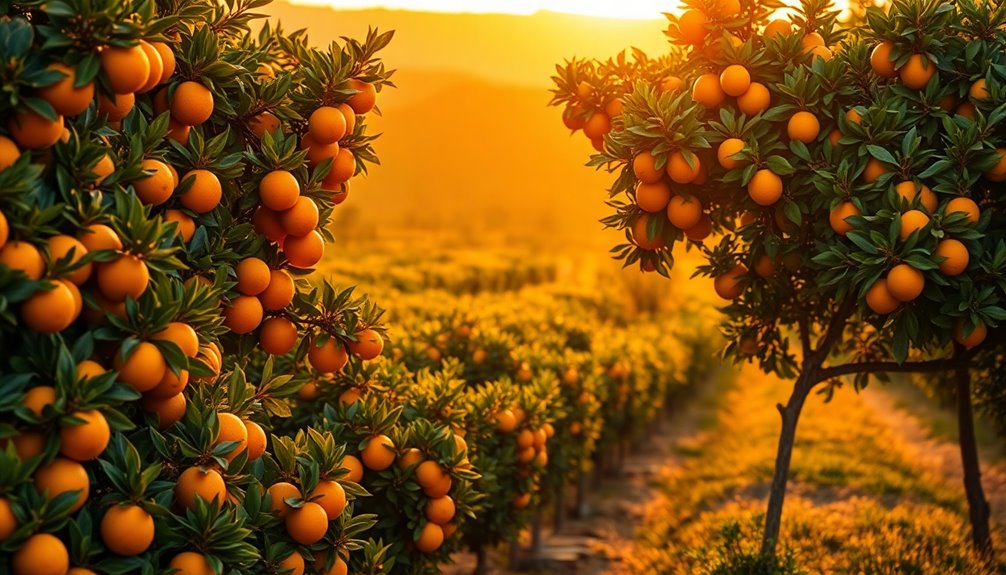
Citrus fruits have long been more than just tasty treats; they’ve woven themselves into the fabric of literature throughout history. You’ll find their presence in ancient texts, like Theophrastus’ writings, highlighting their cultural significance.
Citrus fruits embody wealth and exoticism, evident in Renaissance still lifes, where artists like Giuseppe Arcimboldo used them to convey deeper meanings. In modern fiction, these fruits symbolize renewal and growth, often linking food to identity and memory.
Citrus fruits, rich in symbolism, connect wealth and identity, illuminating themes of renewal in both Renaissance art and modern narratives.
Their historical journey reveals how citrus reflects socioeconomic contexts, marking status and cultural heritage. Lemon symbolism, for instance, adds layers to narratives, enriching characters’ experiences. This rich history mirrors the way untold stories in non-fiction challenge traditional perspectives, offering a more inclusive understanding of the past.
As you explore literature, consider how citrus fruits illuminate themes of growth, identity, and the intricate ties between culture and nature.
How Oranges Represent Joy and Abundance
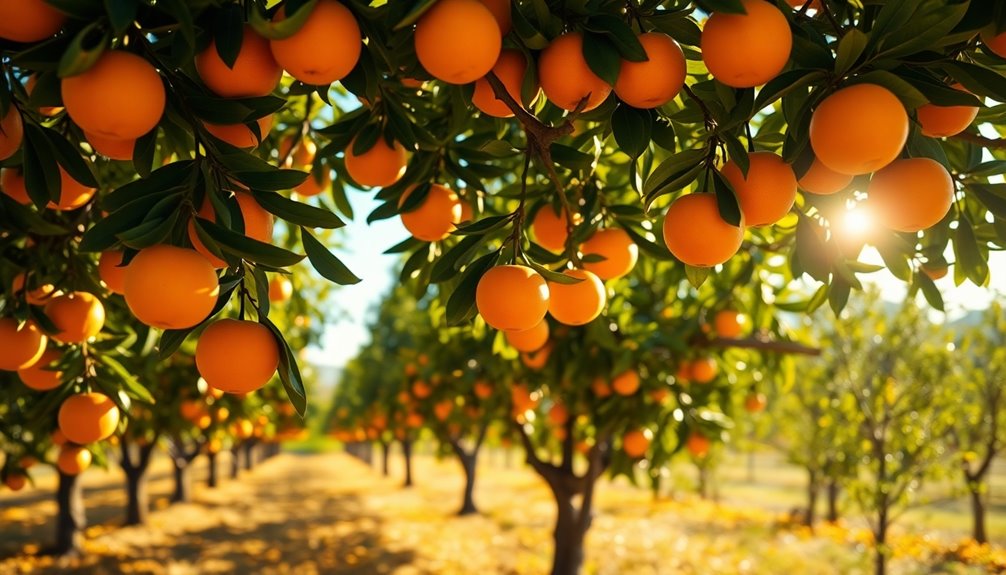
When you think of oranges, you can’t help but associate them with joy and abundance. Their vibrant color and sweet flavor not only light up your plate but also enrich culinary traditions across cultures. In literature, oranges often symbolize the bounty of nature and the pleasures of life, reflecting a sense of prosperity that’s hard to ignore. This symbolism resonates with the mechanics of daily miracles, revealing how simple elements can embody deeper meanings in our lives.
Citrus as Symbols of Joy
Oranges burst with vibrant color and flavor, embodying joy and abundance in both life and literature. In modern fiction, these citrus fruits symbolize the sweetness of life, reminding you of cherished moments.
Their rich hue evokes feelings of happiness and liveliness, connecting you to personal and cultural memories.
Here are three ways oranges represent joy and abundance:
- Culinary Delight: Their nutritional benefits make them a staple, promoting wellness and joy in meals.
- Literary Symbolism: Poets like Wendy Cope use oranges to express love and longing.
- Historical Wealth: Their cultivation has represented prosperity and abundance throughout history, enriching gardens and lives alike.
Embrace the joy that oranges can bring into your life!
Abundance in Culinary Traditions
Throughout various culinary traditions, the vibrant allure of oranges brings a sense of joy and abundance to countless dishes. You’ll find that oranges symbolize prosperity, especially during celebrations and festive occasions. Their sweet taste and bright color evoke happiness, making them a staple in kitchens worldwide.
In Mediterranean cuisine, oranges enhance both savory and sweet flavors, reflecting the bounty of the season. The agricultural richness of regions like Florida and California highlights the economic importance of orange groves, reinforcing their role as symbols of abundance.
Plus, oranges are packed with vitamins and antioxidants, adding nutritional value to your meals while promoting a sense of well-being. Incorporating this delightful fruit into your culinary repertoire truly celebrates life’s vibrant flavors.
Cultural Significance of Oranges
The vibrant allure of oranges extends beyond the culinary world, deeply embedding themselves in cultural traditions as symbols of joy and abundance. Their cultural significance resonates through various aspects of life, enhancing celebrations and evoking feelings of warmth.
Here are three key representations of oranges:
- Prosperity: In Chinese culture, sharing oranges during the Lunar New Year symbolizes good fortune and wealth.
- Fertility: In literature, oranges often represent new beginnings and the flourishing of life, reflecting growth and potential.
- Celebrations: The bright, cheerful color of oranges brings a sense of joy, making them a staple in festive occasions.
With their rich symbolism tied to economic status and abundance, oranges continue to embody a spirit of prosperity and joy across cultures.
The Symbolism of Lemons: Bitterness and Complexity
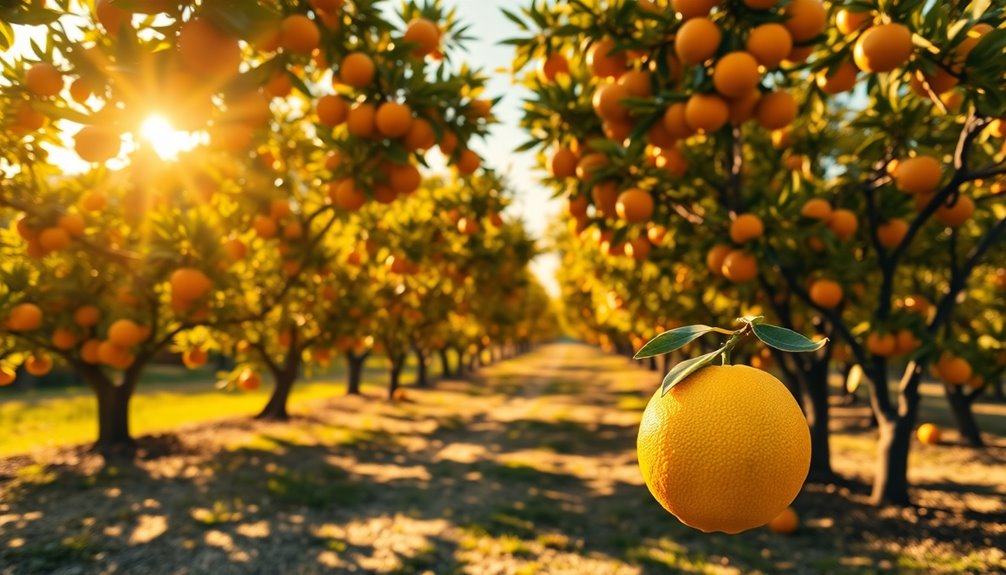
While you might think of lemons as simply a sour fruit, their symbolism in modern fiction reveals a deeper narrative of bitterness and complexity.
In art and literature, lemons embody the duality of human experience, representing both bitter and sweet emotions. Historically, their vibrant color signified wealth and luxury, especially in 17th-century Dutch paintings, where they contrasted with darker elements to enhance their allure.
In modern fiction, lemons often symbolize disillusionment and longing, reflecting characters’ internal conflicts and societal challenges. This duality allows lemons to serve as powerful motifs in narratives, highlighting moral complexities and the bittersweet nature of life.
Through their enduring presence, lemons remind us of the intricate layers of human experience, much like the themes of love and loss explored in ‘The Book Thief.’
Citrus Imagery in Modern Fiction: A Closer Look
When you explore citrus imagery in modern fiction, you’ll notice how it shapes character development and evokes powerful emotions.
Authors use the bright colors and vivid scents of citrus fruits to create sensory experiences that resonate deeply with readers.
This connection often highlights the complexities of human relationships and the contrasts of joy and sorrow. Additionally, the use of food as a means of emotional expression can enhance the reader’s understanding of a character’s inner turmoil and connections.
Symbolism in Character Development
Citrus imagery in modern fiction vividly captures the essence of characters’ emotional journeys and transformations.
Through the lens of citrus symbolism, you can explore the intricate layers of character development, revealing their complexities.
Here are three ways this imagery evokes emotion:
- Wealth and Luxury: Citrus fruits often highlight a character’s socioeconomic status, influencing their relationships.
- Bitterness and Sweetness: The contrast of flavors symbolizes internal conflicts, mirroring the characters’ struggles and triumphs.
- Renewal and Growth: Citrus represents transformation, illustrating characters’ paths toward self-discovery and cultural identities.
Sensory Imagery and Emotion
Sensory imagery plays an essential role in modern fiction, and citrus fruits offer a vibrant gateway to deeper emotional connections. When you encounter oranges and lemons, their bright colors and zesty aromas evoke feelings of renewal and growth, marking pivotal moments in characters’ lives.
This imagery often taps into nostalgia, allowing you to connect personal memories with the taste and scent of these fruits. Citrus fruits symbolize desire and longing, reflecting the complexities of human emotion and the passage of time.
They also carry cultural significance, representing wealth and luxury, which can mirror characters’ aspirations and social status. Through these vivid sensory experiences, authors deepen emotional depth, enhancing your engagement with the narrative.
The Interplay of Senses: Taste, Smell, and Emotion
As you bite into a juicy orange, the vibrant burst of flavor mingles with its fragrant aroma, creating an experience that transcends mere taste. This sensory experience of citrus fruits evokes strong emotional responses, often tied to nostalgia and renewal.
Biting into a juicy orange offers a vibrant blend of flavor and aroma, evoking nostalgia and renewal in every experience.
The interplay of taste and smell enriches culinary art, enhancing dishes with their revitalizing qualities.
Consider these connections:
- Nostalgia: Citrus scents trigger vivid memories of sunny days and family gatherings.
- Symbolism: In literature, citrus often represents life’s bright moments and emotional complexity.
- Well-being: The invigorating qualities of citrus fruits uplift your spirits and promote health.
Classic poetry’s exploration of the timelessness of love illustrates how vibrant colors and sensory experiences shape our emotions and memories.
Personal Reflections: Citrus Memories in Poetry
Brightly colored oranges and lemons often stir vivid memories, transporting you back to sun-soaked afternoons and family gatherings.
In poetry, citrus fruits symbolize renewal and growth, evoking personal memories steeped in nostalgia. Think of Jen Venegas’ “A Love Affair with Citrus,” where she captures sensory experiences linked to nature, making you reflect on your own citrus-related anecdotes.
These poems encourage community interaction, inviting you to share your memories and celebrate the abundance of citrus during seasonal changes.
Artistic expressions like Wendy Cope’s “The Orange” explore themes of love and longing, highlighting how citrus resonates deeply with our lives. In a similar way, Zadie Smith’s *On Beauty* illustrates the complexities of family dynamics through various characters’ personal journeys.
Ultimately, this shared appreciation for citrus fruits connects you to both personal and cultural experiences, fostering a sense of belonging.
The Cultural Impact of Citrus in Storytelling
While citrus fruits may seem ordinary at first glance, their vibrant colors and rich symbolism play a profound role in modern storytelling. You can see their impact through various themes:
- Renewal and Growth: Characters often find hope through citrus, representing new beginnings.
- Culinary Versatility: The flavors of citrus fruits symbolize abundance, enriching narratives with sensory imagery.
- Identity and Cultural Rituals: Citrus fruits, like the etrog during Sukkot, explore tradition and personal identity.
These fruits serve as a metaphorical device, illustrating contrasts between sweetness and bitterness, thereby enhancing emotional depth. In modern fiction, citrus fruits reflect the complexities of the human experience, intertwining joy and sorrow, making them essential in storytelling. Additionally, much like the characters in *The Book Thief* who demonstrate acts of courage amidst oppression, citrus can symbolize resilience and the human spirit’s ability to thrive against adversity.
Conclusion
In the vibrant tapestry of literature, citrus fruits weave threads of joy and complexity, painting a world rich with emotion. Oranges burst forth like sunlit laughter, while lemons whisper tales of bittersweet truths. As you turn the pages of modern fiction, let the zest of these symbols awaken your senses and spark memories. Embrace the citrus journey, where every bite of narrative reveals the profound connections between taste, smell, and the stories that shape our lives.