
Rat characters in literature and film are some of the most memorable animals in storytelling, often because writers use them to explore loyalty, cunning, and the awkward line between sympathy and fear. Some rats are heroes, some are villains, and a few are both at once. This listicle covers the rat characters who have earned their place in classic books and modern films, and it explains what makes each one work on the page or screen.
Key Takeaways
- Kenneth Grahame’s The Wind in the Willows (1908) features a Water Rat who serves as the extroverted guide to the world of streams and forests.
- Britannica notes that the book’s “Rat” is actually a European water vole, not a true rat, though the novel calls him a water rat.
- E.B. White’s Charlotte’s Web (1952) gives readers Templeton, a self-interested rat whose loyalty can be bought.
- Pixar’s Ratatouille (2007) centers on Remy, a rat who dreams of becoming a chef in Paris.
- Robert C. O’Brien’s Mrs. Frisby and the Rats of NIMH (1971) gives its rats high intelligence and a strong sense of community, which makes them far more than background pests.
Why Do Rat Characters Work So Well in Storytelling?
Rat characters work because readers already hold strong feelings about rats, and skilled writers can push those feelings in either direction. A rat can signal filth, disease, and betrayal, or it can represent resourcefulness, survival, and an underdog’s courage. That tension gives authors a ready-made emotional shortcut.
Animal characters also let writers examine human behavior without the baggage of a human protagonist. When a rat schemes, bargains, or sacrifices itself, readers see familiar human traits in an unfamiliar form. This distance often makes the lesson easier to accept.
Rats are also social, clever animals, which gives writers plenty of material. A rat character can have a family, a rival, a code of honor, or a secret plan, and each of these traits can carry a theme.
Which Rat Characters Are the Most Memorable?
The most memorable rat characters combine a clear personality with a role in the story that could not be filled by another animal. The six examples below span children’s classics, adult novels, horror, and film.
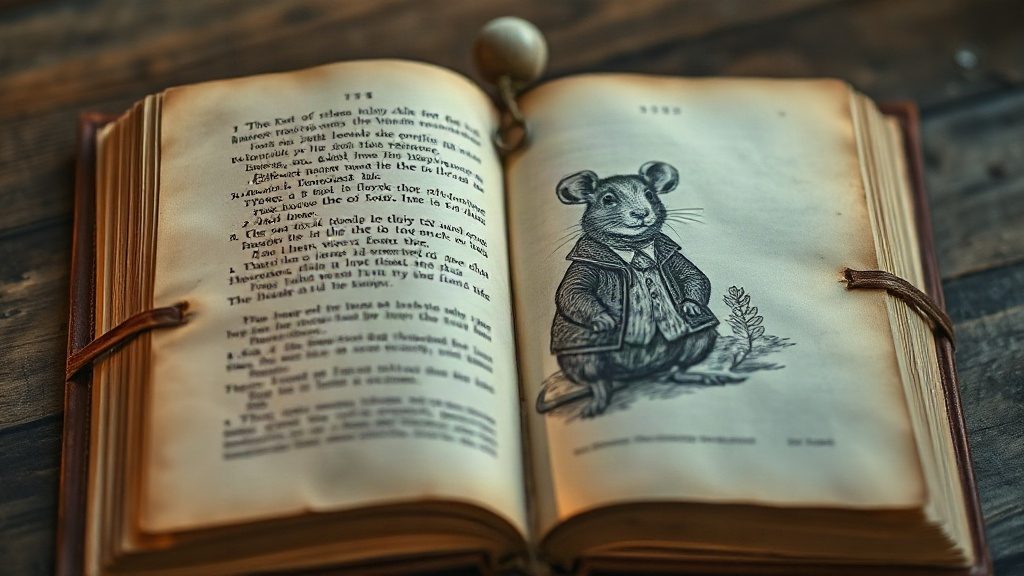
Ratty, the Water Rat in The Wind in the Willows
Ratty is the warm, sociable guide who introduces Mole to the riverbank and its pleasures. EBSCO’s character analysis describes Water Rat as the extroverted guide who leads Mole into the world of streams and forests, and that role is central to the book’s gentle tone.
One detail is often overlooked. Britannica identifies the book’s Rat as a European water vole (Arvicola amphibius), not a true rat, even though the novel calls him a water rat. For students, this is a good example of how a literary label can differ from its biological meaning.
Templeton from Charlotte’s Web
Templeton is the rat who helps the story’s plot move but refuses to act out of pure kindness. He wants food and comfort, and he is willing to bargain for them. E.B. White uses him to show that loyalty in the book often has a price.
Templeton is a useful character for readers who want to study moral complexity. He is not a monster, but his selfishness makes the book’s moments of generosity stand out more sharply.
Nicodemus from Mrs. Frisby and the Rats of NIMH
Nicodemus is the wise leader of a group of intelligent rats who escaped from a research laboratory. Robert C. O’Brien’s 1971 novel treats him as a figure of authority, memory, and responsibility rather than a simple sidekick. His community is shaped by the knowledge and skills they gained in captivity.
Readers who enjoy this book often notice how O’Brien uses the rats to examine what it means to be free and what it costs to protect others. Nicodemus is a strong example of a rat who earns respect through judgment as much as through courage.
Remy from Ratatouille
Remy is the film’s dreamer, a rat with a sophisticated palate who wants to cook in a Paris restaurant. The 2007 Pixar film’s title refers to a French dish and also alludes to the species of its main character, a rat voiced by Patton Oswalt. That double meaning is part of the joke, and it reinforces the film’s theme that talent can come from unexpected places.
Pixar extended Remy’s story beyond the feature. The 2007 short Your Friend the Rat takes the form of an educational film in which Remy and Emile argue for reconciliation between humans and rats, and it is the studio’s only special made with traditional animation. The short is a useful companion for anyone studying how the film frames its rat hero.
Scabbers and Peter Pettigrew in Harry Potter
Scabbers appears as an ordinary pet rat in J.K. Rowling’s early Harry Potter books, which makes his later reveal especially effective. The twist turns a harmless-looking animal into a key piece of the series’ mystery. Readers who look back at the early chapters often find that the clues were there all along.
This is a strong example of how a rat character can hide in plain sight. The disguise works because readers dismiss a small, shabby pet rat without a second thought.
The Rats of the Pied Piper of Hamelin
Robert Browning’s 1842 poem “The Pied Piper of Hamelin” uses a swarm of rats as the problem the piper promises to solve. The rats are a collective force rather than individuals, but they set the entire plot in motion. Their role shows how older stories used rats to represent plague, disorder, and the cost of broken promises.
How Do These Rat Characters Compare?
The table below compares the main rat characters by work, role, and the trait that makes each one stand out. Use it as a quick reference when you are writing a comparison essay or choosing a title for a book club.
| Character | Work | Year | Role | Defining Trait |
|---|---|---|---|---|
| Ratty | The Wind in the Willows | 1908 | Guide and friend | Sociable and warm |
| Templeton | Charlotte’s Web | 1952 | Self-interested helper | Bargains for rewards |
| Nicodemus | Mrs. Frisby and the Rats of NIMH | 1971 | Leader | Wise and protective |
| Scabbers / Peter Pettigrew | Harry Potter series | 1997 onward | Hidden antagonist | Disguise and betrayal |
| Remy | Ratatouille | 2007 | Aspiring chef | Talent and ambition |
Notice that the most compelling rats usually have a single, clear goal. Ratty wants friendship and adventure, Templeton wants comfort, and Remy wants to cook. A clear goal makes the rat easy to follow and easy to remember.
What Makes a Rat Character Sympathetic or Sinister?
A rat character becomes sympathetic when the author gives it a clear goal, a reason for its choices, and a moment of vulnerability. It becomes sinister when the author leans on the rat’s association with disease, deceit, or hidden movement. Most strong rat characters sit somewhere between those poles.
Use this checklist when you analyze a rat character:
- Identify the character’s primary goal and whether it is selfish, social, or protective.
- Note whether the narrator describes the rat with admiration, pity, or disgust.
- Check for a moment where the rat’s behavior surprises the reader.
- Look for symbolic links to the story’s theme, such as survival, betrayal, or community.
- Compare the rat to a human character who wants something similar.
How Do You Analyze a Rat Character in an Essay?
To analyze a rat character in an essay, move from observation to interpretation. Start with what the text shows, then explain what the rat represents and why the author made that choice. The steps below give you a reliable structure.
- Quote two or three passages that describe the rat’s actions, appearance, or speech.
- Identify the character’s motive and the obstacle it faces.
- Connect the rat’s traits to a theme, such as loyalty, ambition, or social order.
- Compare the rat with another animal character in the same book or in a different work.
- Explain whether the author’s portrayal challenges or reinforces common assumptions about rats.
Good essays avoid simply labeling a rat as good or bad. Instead, they show how the character’s role shapes the reader’s view of the story’s moral world.
Why Do Rat Characters Work So Well on Screen?
Rat characters work on screen because animation can give them expressive faces, precise movement, and a sense of personality that a page description cannot always match. Remy’s cooking scenes, for example, rely on visual detail that makes his talent believable. Film also allows audiences to see the rat’s world directly, from a crowded kitchen to a dark sewer.

The film versions also reshape the rat’s meaning. Pixar turned a rat into a sympathetic protagonist and asked audiences to root for him against a culture that feared his kind. That shift reflects a broader change in how modern storytelling treats animal characters.
Frequently Asked Questions
Are the rats in The Wind in the Willows real rats?
Not exactly. Britannica identifies the book’s Rat as a European water vole, which is a different animal from a true rat. The novel calls him a water rat, so the label is a literary choice rather than a precise zoological one.
Who is the most famous rat character?
Remy from Ratatouille is one of the best-known rat characters in modern film. Ratty from The Wind in the Willows is among the most famous in classic literature. Fame depends on the audience, but both characters remain widely recognized.
Why are rats often villains in stories?
Rats are often associated with disease, filth, and secrecy, which makes them easy symbols of danger. Writers can use those associations to signal threat or betrayal quickly. Stories that challenge this pattern, like Ratatouille, often gain attention for doing so.
What is the best rat character for a school essay?
Templeton from Charlotte’s Web and Nicodemus from Mrs. Frisby and the Rats of NIMH offer clear moral and social themes that work well in essays. Choose the character whose traits connect most directly to the question your teacher assigns. A narrow, well-supported argument usually works better than a broad survey.
Are there rat characters in horror novels?
Yes. Rats appear often in horror because they can suggest contamination and a hidden threat that spreads. Readers who enjoy this kind of unease may also want to explore horror book authors who redefined psychological terror, which covers how writers build dread in everyday settings.
How can I find more animal characters to read about?
Start with the titles mentioned here and look for books that feature animals as main characters or moral guides. Pay attention to whether the animal serves as a metaphor for human behavior or as a fully realized individual. That distinction will help you choose your next read.
Conclusion
Rat characters in literature and film succeed because they combine a familiar animal with a clear personality and a meaningful role in the story. Ratty guides readers through a riverbank world, Templeton reveals the price of loyalty, and Remy proves that talent can come from anywhere. If you want to study rat characters more closely, start with one book or film, track the character’s goal, and ask what the author wants you to feel about it.