
Writing on trains offers a unique space for creativity, blending focused time with unexpected inspiration. The rhythmic motion helps you reflect deeply, making your commute a productive writing session. You’ll enjoy a communal atmosphere, fostering connections and collaboration with fellow commuters. Unlike traditional MFA programs, trains open doors to diverse writing experiences. By embracing your surroundings, you can transform everyday moments into creative gold. Discover how to cultivate this unique environment even further.
Why Trains Make Perfect Writing Spaces
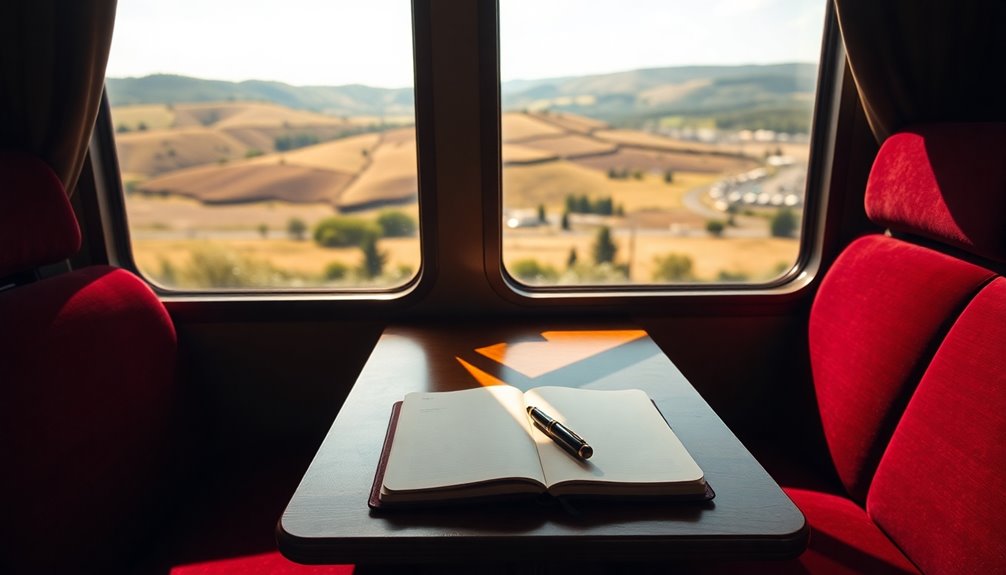
When you step onto a train, you mightn’t realize that you’re entering one of the best writing spaces available. The rhythmic motion and soothing environment foster deep reflection, making it perfect for creative writing.
With commutes lasting 35 to 42 minutes, you often find yourself focused and productive, crafting 250 to 350 words in a single session. This unique setting serves as an alternative to traditional writing programs, allowing you to balance your creative pursuits with job and family responsibilities.
Despite their outdated aesthetics, trains encourage discipline and focus. The confined space mimics the contours of creative exploration, enhancing engagement and clarity in your writing. Plus, like the intricate plots found in Agatha Christie’s masterpieces, trains can lead you to unexpected destinations in your narrative journey.
Embracing the Commuter Experience for Creativity

Although the hustle and bustle of daily life can feel overwhelming, embracing the commuter experience can ignite your creativity in unexpected ways. Those 35 to 42-minute Metro North train rides provide a pocket of time perfect for writing, allowing you to produce 250–350 words while surrounded by a unique writing community.
The rhythmic motion of the train fosters a meditative atmosphere, offering space for reflection and inspiration. Unlike the romanticized portrayal of trains in literature, these practical settings encourage discipline, making them a viable alternative to grad school or writers’ colonies. Embracing this environment not only enhances your focus but also cultivates a shared respect for fellow writers, deepening your engagement with the creative process amid the daily grind. Additionally, embracing authenticity can lead to deeper insights and richer narratives in your writing.
The Role of Ambiance in Writing Productivity
The commuter experience not only sparks creativity but also highlights the importance of ambiance in writing productivity. The rhythmic motion and sounds of trains create an ambient environment that fosters focus.
You’ll find that the confined setting encourages discipline, making it an ideal space for writing.
- Trains offer a break from daily distractions.
- Typical rides of 35 to 42 minutes promote structured writing sessions.
- The communal atmosphere can lead to unexpected collaborations.
- The soothing ambiance resembles a meditative state, enhancing creativity.
- Engaging in this daily reading habit can further sharpen your mind and enhance your writing skills.
How Community Shapes the Writing Journey?
While many writers often feel isolated in their craft, a supportive community can transform that journey into a shared experience.
Community workshops prioritize exploration and celebrate diverse identities, creating inclusive spaces where writing comes alive. In these collaborative settings, you can break out of your comfort zone through unexpected exercises that spark inspiration.
Peer feedback in informal environments, like the Kitchen Table MFA, fosters confidence and accountability, allowing personal growth and mentorship to flourish. Engaging with a supportive writing community combats isolation, providing fresh perspectives and motivation when self-doubt creeps in. Additionally, embracing imperfect drafts can lead to unexpected breakthroughs, reinforcing the importance of community in the writing process.
Contrasting Academic and Alternative Writing Environments
Many writers thrive in community spaces where collaboration sparks creativity, but contrasting environments can shape your journey in different ways.
While MFA programs often emphasize structured critique, community workshops focus on exploration and diverse identities. This difference can lead to varied experiences:
- Academic workshops prioritize rigorous coursework and mentorship.
- Community settings, like the Kitchen Table MFA, promote informal feedback.
- Alternative spaces, such as commuter trains, provide unique moments for focused creativity.
- Many writers report enhanced productivity in supportive, time-constrained environments.
- The complexities of family dynamics in narratives like “The Nest” illustrate how different writing spaces can reflect personal challenges and growth.
The Benefits of Writing in Nontraditional Settings
Writing in nontraditional settings can reveal unexpected creativity and productivity, especially when you embrace the constraints of time and space. Commuter trains, for instance, allow you to produce 250–350 words in just 35 to 42 minutes, transforming downtime into focused writing sessions.
Writing on commuter trains can unlock creativity, turning travel time into focused sessions that yield 250–350 words in under an hour.
The rhythmic environment fosters contemplation, making it an ideal backdrop for reflection and inspiration. These nontraditional settings also enable you to balance work and family life while honing your craft.
Engaging in writing during commutes offers an alternative to formal Graduate School programs, creating opportunities for peer feedback and mentorship. Concepts like the kitchen table MFA highlight how accessible environments promote collaboration, accountability, and personal growth among writers. This approach mirrors the memoir’s emphasis on personal empowerment, which encourages individuals to embrace their unique paths.
Embrace these spaces; they might surprise you.
Strategies for Maximizing Writing Time on the Train
To make the most of your writing time on the train, focus on creating a distraction-free environment. Set up your space with the right tools, like noise-canceling headphones and a comfortable writing surface, to enhance your productivity. Additionally, embracing mindfulness practices can help you maintain focus and reduce stress, making your writing sessions more fruitful.
Embrace Distraction-Free Techniques
While the train rumbles along its route, you can transform those fleeting minutes into a productive writing session. Embracing distraction-free techniques helps you maximize your MFA experience.
Here’s how:
- Set clear writing goals for each trip to focus your thoughts.
- Use headphones to create a personal bubble, respecting fellow commuters.
- Take advantage of the train’s rhythmic motion as a meditative backdrop.
- Aim to produce 250–350 words during your commute, enhancing creativity through structure.
Optimize Your Writing Setup
Creating an efficient writing setup on the train can greatly enhance your productivity. Use your 35 to 42 minutes wisely to produce 250–350 words by embracing the soothing rhythm of your commute.
The train offers a unique writing setup, freeing you from the usual distractions of home or work. Respect fellow commuters by keeping your environment quiet and focused; this creates a mutually beneficial space for creativity.
Use this time to explore new ideas and concepts, taking advantage of the relaxed atmosphere to engage deeply with your writing.
Balancing your MFA pursuits with job and family commitments is possible—just harness the potential of your train rides, and watch your writing flourish.
Finding Inspiration in the Everyday Commute
How can the daily commute transform into a wellspring of inspiration? Your Metro North train ride offers a unique chance to harness creativity, producing 250–350 words in just 35 to 42 minutes. The rhythmic motion of the train creates a meditative atmosphere, perfect for crafting short stories or reflecting on your MFA journey.
- Embrace the focused environment to enhance your writing.
- Observe fellow commuters for character inspiration.
- Let the outdated designs spark nostalgia and creativity.
- Use the limited time to dive deeper into your work.
Writing on public transit respects the communal space, reminding you to be mindful of others while pursuing your craft. Transform those rides into productive sessions that enrich your writing, much like the resilience found in Betty Smith’s characters who navigate adversity.
Building Connections Through Shared Writing Spaces
Shared writing spaces can transform your experience as a writer, offering a chance to connect with others who share your passion.
By participating in community workshops and collaborative writing sessions, you not only gain valuable feedback but also build lasting relationships.
These spaces encourage diverse voices, making your writing journey richer and more fulfilling. Additionally, they can illuminate untold stories that challenge traditional perspectives, much like how non-fiction highlights hidden histories.
Community Engagement Strategies
While many might think of writing as a solitary endeavor, engaging in collaborative workshops can transform it into a vibrant community experience.
By fostering an environment that emphasizes community engagement, you can explore creative avenues that inspire growth and connection among participants.
Here are some strategies to enhance your workshops:
- Encourage playful writing prompts that push boundaries.
- Create inclusive spaces that welcome diverse voices.
- Facilitate peer feedback to nurture accountability and confidence.
- Organize small shared writing experiences to cultivate ongoing support.
These approaches not only enrich individual writers but also strengthen communal ties, transforming your workshops into a shared journey of exploration and creativity.
Embrace the power of connection through writing!
Collaborative Writing Experiences
When you immerse yourself in collaborative writing experiences, you open the door to a world where creativity flourishes and connections deepen. These experiences foster community by encouraging writers to share their work and offer constructive feedback, enhancing personal growth.
Workshops that prioritize playful prompts help you step outside your comfort zone, igniting unexpected inspiration. Engaging with diverse voices enriches the process, as inclusivity promotes understanding among participants.
Concepts like the Kitchen Table MFA emphasize peer feedback and mentorship, making writing education more accessible and community-focused. In these collaborative settings, you’ll discover that writing is about exploring questions rather than just finding answers, reinforcing the idea that creativity thrives in shared spaces.
From Trains to Cafés: Exploring Diverse Writing Environments
As you commence your writing journey, consider how diverse environments like trains and cafés can spark creativity. Each setting offers unique benefits that enhance your craft:
- The limited time on trains, like the Metro North, boosts focus, letting you write 250–350 words in just 35 to 42 minutes.
- Trains provide a rhythmic, meditative backdrop that encourages reflection, reminiscent of scenes in European films.
- Cafés foster a vibrant writing community, promoting interaction and collaboration that enhances motivation.
- Both offer creative spaces that help you balance personal and professional commitments while developing your skills.
- Engaging with these informal settings allows for exploring cultural identity and diverse experiences, enriching your writing and strengthening your community.
Embrace these informal settings to engage with diverse identities and experiences, enriching your writing and strengthening your community.
Explore these environments, and watch your creativity flourish!
Conclusion
As the train hums beneath you, it symbolizes a journey not just through landscapes, but through ideas. Each station stop mirrors the pauses in your writing process, allowing thoughts to gather momentum. Embrace the rhythm of your commute; it’s a canvas for creativity. Just like a train connects diverse destinations, your words can bridge experiences and emotions. So, take a seat, let the scenery inspire you, and transform the ordinary into extraordinary stories.