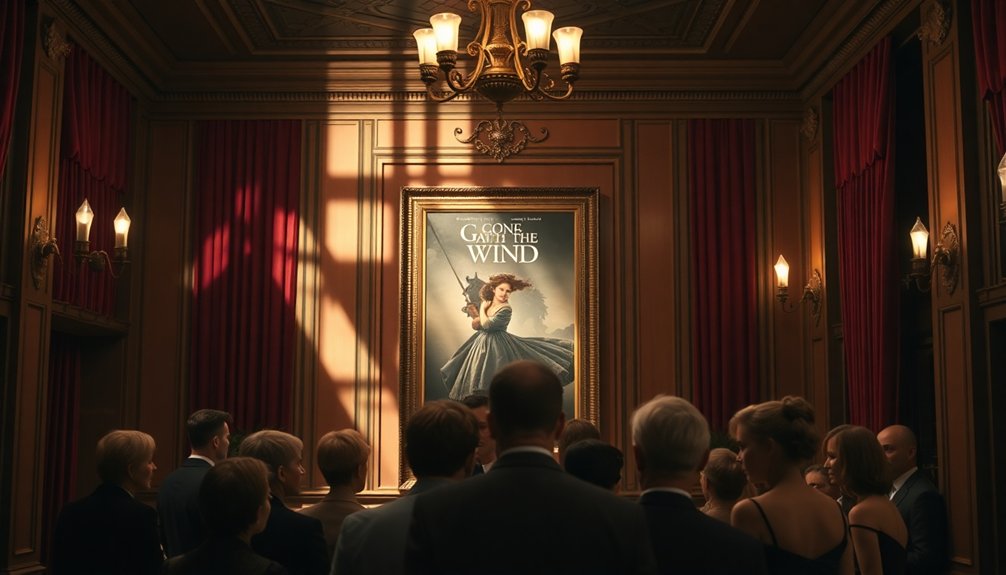
“Gone With the Wind” is both a timeless classic and a product of its time. You’ll see its cultural significance through iconic performances and groundbreaking cinematography. However, its romanticized portrayal of the Old South and troubling depictions of race cannot be overlooked. It sparks important discussions about historical representation in cinema. As you explore its impact, you’ll discover the complex themes and characters that continue to resonate today, shaping conversations around race and history.
Overview of the Film and Its Impact
“Gone With the Wind” stands as a monumental achievement in cinema, enchanting audiences since its release in 1939. This timeless classic, directed by Victor Fleming and based on Margaret Mitchell’s novel, explores the turbulent backdrop of the American Civil War and Reconstruction.
While the film captivates with the chemistry of Rhett and Scarlett, it also stirs debate due to its historical inaccuracies and romanticized portrayal of the Old South. With ten Academy Awards, including Best Picture, its cultural significance is undeniable, yet it invites scrutiny regarding its depiction of race and slavery. The film’s portrayal of the burning of Atlanta serves as a pivotal moment that underscores the chaos of the Civil War.
Lasting nearly four hours, its preservation in the National Film Registry emphasizes its impact on American culture and film history, making it both celebrated and controversial.
Character Analysis: Scarlett O’Hara and Rhett Butler
In “Gone With the Wind,” you see Scarlett O’Hara’s ruthless ambition clash with Rhett Butler’s complex love.
Their turbulent relationship reveals how personal desires can lead to both passion and heartbreak.
As you explore their journeys, you’ll uncover the profound impact of their choices on each other and themselves. This dynamic mirrors the resilience and growth found in Charles Dickens’ characters, emphasizing how struggles shape personal identities.
Scarlett’s Selfish Ambition
Scarlett O’Hara’s relentless pursuit of her desires reveals a character driven by selfish ambition, often at the expense of those around her.
Her unrequited love for Ashley Wilkes fuels her manipulative actions, leading her to marry Charles Hamilton and Frank Kennedy for personal gain rather than genuine connection.
As you follow Scarlett’s tumultuous journey, you see how her selfish ambition blinds her to the feelings of others, particularly Rhett Butler.
He admires her tenacity but also challenges her manipulative tendencies, creating a complex dynamic that shapes both their lives.
Ultimately, Scarlett’s character arc culminates in a painful realization of her emotional neglect towards Rhett, highlighting the consequences of ambition over authentic relationships amidst the chaos of war.
Rhett’s Complex Love
While Scarlett’s ambition often overshadows her relationships, Rhett Butler’s complex love for her adds depth to the story. Rhett, portrayed with charm and sophistication, serves as a foil to Scarlett’s self-centered nature.
Their undeniable chemistry fuels a passionate connection, yet it’s marked by resentment and tragedy. As Scarlett pursues her obsession with Ashley Wilkes, she neglects the deeper emotional bond with Rhett, leading to significant consequences for their marriage.
Rhett’s love evolves, revealing his frustration as Scarlett fails to prioritize their relationship. When he finally utters, “Frankly, my dear, I don’t give a damn,” it underscores the tragic reality of missed opportunities.
Scarlett’s late realization of her love for Rhett highlights the complexities of their intertwined destinies.
Their Turbulent Relationship
Their turbulent relationship unfolds against the backdrop of a war-torn South, where ambition and desire collide.
Scarlett O’Hara’s manipulative nature clashes with Rhett Butler’s sophistication, creating a tumultuous bond marked by passion and conflict. While Scarlett’s heart still yearns for Ashley Wilkes, Rhett becomes her complex ally and foil, revealing the intricacies of love.
His resilience helps him navigate Scarlett’s flaws, yet his disillusionment grows, especially after the tragic loss of their daughter, Bonnie. This heartbreak drives a wedge between them, showcasing how Scarlett’s selfishness ultimately leads to their separation.
In the end, their relationship encapsulates profound themes of love and loss, leaving Scarlett to realize the true meaning of love—too late to mend their fractured connection.
Themes of Love, Loss, and Resilience
In “Gone With the Wind,” the themes of love, loss, and resilience intertwine to create a powerful narrative that resonates deeply with audiences.
You see love through Scarlett O’Hara’s unrequited feelings for Ashley Wilkes, driving her into emotional turmoil and self-destructive choices.
Loss permeates the story as characters face the destruction of the Civil War, with Scarlett’s fight to save her family’s plantation symbolizing her struggle against inevitable change.
Yet, it’s Scarlett’s resilience that stands out; despite her flaws, she embodies determination and adaptability, famously declaring, “Tomorrow is another day.”
The complex relationships between Scarlett, Rhett Butler, and Melanie Hamilton highlight how love and loss are tested in crisis, reflecting personal and societal upheaval during this tumultuous era. Furthermore, the narrative mirrors the harsh realities of war, much like the experiences detailed in “Unbroken,” emphasizing the strength of the human spirit in the face of adversity.
Cinematic Techniques and Production Design
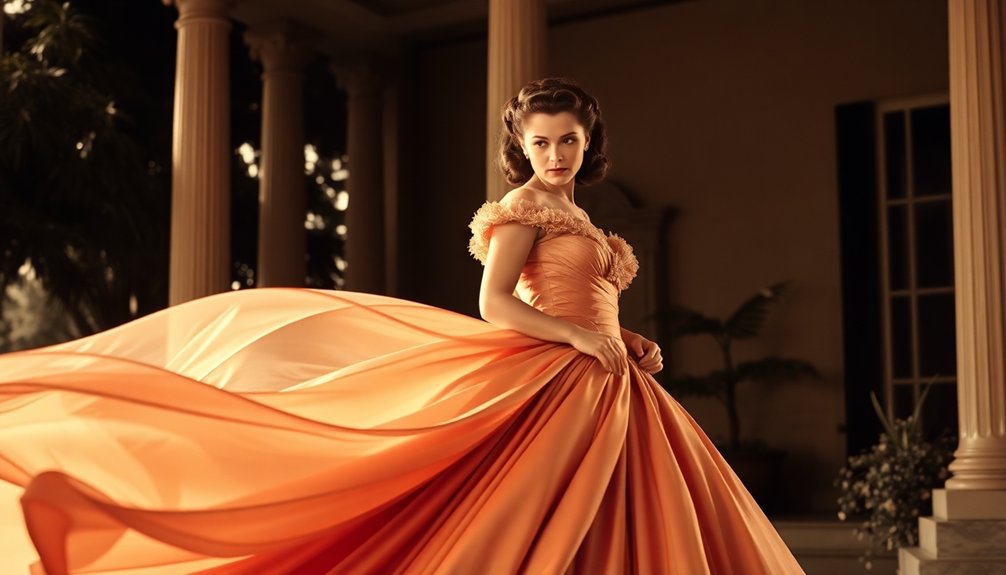
In “Gone With the Wind,” you’ll notice how innovative cinematic techniques and stunning production design come together to create an unforgettable experience.
The vibrant colors and elaborate sets immerse you in the era, while the iconic costumes reflect the characters’ journeys.
Each element not only enhances the storytelling but also solidifies the film’s status as a cinematic masterpiece. The film’s exploration of social class parallels the themes found in classic literature, such as Dickens’ “Great Expectations.”
Innovative Cinematic Techniques
While exploring the innovative cinematic techniques of “Gone With the Wind,” you’ll discover how its groundbreaking use of Technicolor transformed the visual narrative of film.
This pioneering Technicolor technology created vibrant visuals that not only enhanced storytelling but also set a new standard for color films in 1939.
The film’s innovative camera work, featuring panoramic shots and masterful lighting, captured the emotional resonance of its characters and the grandeur of their settings.
With over 5,000 meticulously designed costumes reflecting historical authenticity, the film immersed you in the Civil War and Reconstruction eras.
Additionally, the intricate editing techniques maintained a compelling narrative flow, ensuring that each scene resonated emotionally, especially with Max Steiner’s iconic score elevating key moments throughout the film.
Stunning Production Design
Building on the film’s innovative cinematic techniques, the stunning production design of “Gone With the Wind” truly brings its world to life.
Led by art director William Cameron Menzies, the film features immersive environments that transport you to both the grandeur of the plantation and the grit of the post-war state capital. The careful attention to historical authenticity is evident in every frame.
- Hand-painted backdrops enhance the visual storytelling.
- Oscar-winning cinematography by Ernest Haller captures the emotional depth.
- Restoration efforts guarantee vibrant visuals for modern audiences.
These elements work together to create an enthralling experience, allowing you to feel the weight of the era and connect with the characters in their richly detailed world.
Iconic Costume Creations
Costume design in “Gone With the Wind” stands as a tribute to the film’s artistic vision and historical depth. Walter Plunkett crafted over 5,000 costumes, ensuring both principal cast and extras wore attire showcasing historical accuracy.
Scarlett O’Hara’s iconic costumes, particularly her famous green dress made from curtains, reflect her character’s evolution and the themes of resilience and adaptability. The vibrant color palettes utilized in Technicolor enhance the visual impact of these outfits, making them unforgettable.
Alongside William Cameron Menzies’ meticulous set designs, the costumes create an immersive Southern environment. Restoration efforts, raising over $30,000, highlight the enduring significance of this costume design, securing its place in cinematic history as a showcase of creativity and craftsmanship.
The Controversial Portrayal of Race and Slavery
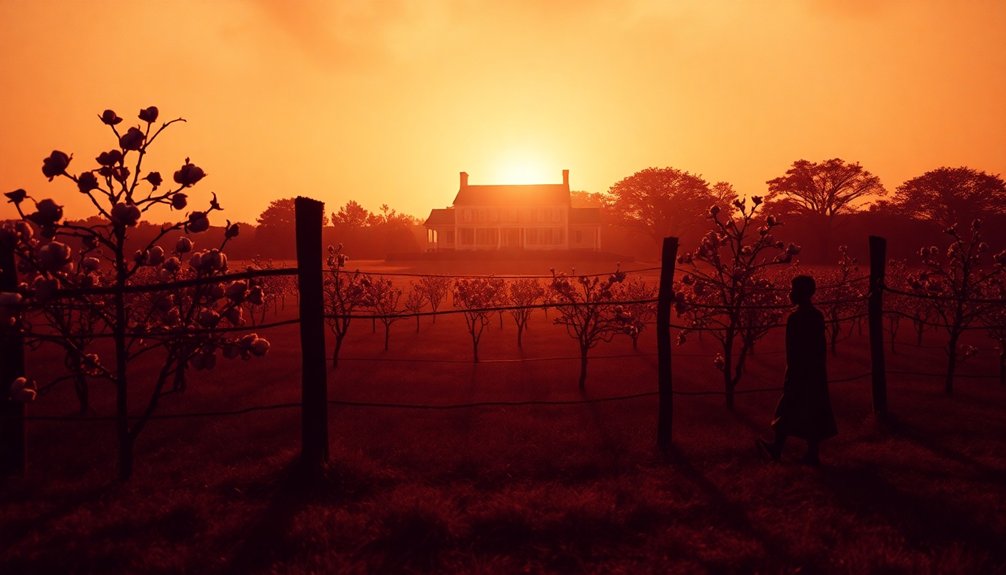
As audiences revisit “Gone With the Wind,” they can’t ignore its controversial portrayal of race and slavery, which many argue romanticizes the Old South. The film glosses over the brutal realities of slavery and perpetuates damaging stereotypes.
- The character of Mammy, despite some comic relief, reinforces the idea that African Americans were content in servitude.
- Malcolm X condemned the film for glorifying the plantation lifestyle while ignoring the suffering of Black slaves.
- Hattie McDaniel’s historic Oscar win is overshadowed by the segregation she faced at the ceremony.
These elements raise critical questions about how “Gone With the Wind” shapes perceptions of race and the legacy of slavery, making it a complex piece of cinematic history. Additionally, the film’s portrayal of characters reflects a tendency to romanticize oppression, which can distort historical truths and impact societal views on race.
Legacy and Cultural Significance in Modern Society
The controversies surrounding “Gone With the Wind” don’t overshadow its lasting legacy in modern society. This timeless classic, awarded ten Academy Awards, including Best Picture, holds a significant place in cinematic history.
Hattie McDaniel’s groundbreaking win as the first African-American Oscar recipient illustrates the film’s complicated legacy regarding race representation in Hollywood. While its portrayal of race and the Old South ignites debate and criticism, it also serves as a lens through which we examine historical and cultural attitudes.
The film’s themes of survival and resilience resonate across generations, ensuring its cultural significance remains strong. Today, “Gone With the Wind” prompts valuable discussions about race, history, and the evolution of American cinema, making it an enduring subject of study. Additionally, the film’s legacy can be critically analyzed alongside systemic racism in modern storytelling, highlighting the need for a more nuanced understanding of history.
Why ‘Gone With the Wind’ Remains Relevant Today
While many might dismiss “Gone With the Wind” as a relic of the past, its exploration of universal themes like love, loss, and resilience still resonates with today’s audiences.
You’ll find that:
- Scarlett O’Hara’s tenacity embodies the spirit of women endeavoring for empowerment.
- The intricate character arcs highlight the consequences of personal choices in relationships.
- The film’s controversial historical representation sparks necessary conversations about race and romanticized narratives.
Its cultural impact remains significant, as it continues to influence film studies and popular media. Additionally, the film’s portrayal of systemic oppression invites a deeper examination of its implications in both historical and modern contexts.
Conclusion
In the end, “Gone With the Wind” stands as a tattered flag—both a symbol of its time and a reminder of enduring truths. While the sweeping romance and heart-wrenching loss resonate deeply, the shadows of its controversial portrayals challenge us to reflect on our past. As you watch Scarlett’s indomitable spirit rise from the ashes, remember that her journey mirrors our own struggles for love and understanding in a world still grappling with its history.