
Nora Ephron’s “I Feel Bad About My Neck” isn’t just a memoir; it’s a candid exploration of aging and beauty standards that every woman can relate to. Packed with humor and personal anecdotes, Ephron invites you to embrace the complexities of womanhood. She challenges societal pressures while promoting self-acceptance and mental health. By sharing her experiences, she inspires conversations about aging gracefully. If you want to discover more about her empowering message, keep exploring.
Overview of the Essays
In “I Feel Bad About My Neck,” Nora Ephron offers a candid and humorous exploration of aging through a collection of essays that resonate deeply with women.
Each essay investigates the physical and emotional challenges you face as you navigate aging, reflecting on everything from maintenance to menopause. Ephron’s witty observations highlight the societal pressures surrounding beauty standards, making her insights relatable and engaging.
You’ll find personal anecdotes that span her life, from her days as a White House intern to her musings on hair dye. These essays challenge conventional beauty norms, encouraging you to embrace aging with humor and grace.
Ultimately, Ephron’s work empowers you to accept the complexities of womanhood while laughing at the absurdities of life. Additionally, her reflections on the evolving nature of family dynamics resonate with the shared experiences of love and loss that many women encounter throughout their lives.
Humor and Honesty in Ephron’s Writing
In Nora Ephron’s essays, you’ll find a sharp wit that transforms reflections on aging into relatable and humorous narratives.
She candidly addresses beauty standards, inviting you to laugh while contemplating the pressures women face.
This blend of humor and honesty not only entertains but also empowers you to embrace your own journey with self-acceptance. Additionally, her writing emphasizes the importance of mental health in navigating societal expectations and personal growth.
Wit in Aging Reflections
How does Nora Ephron manage to turn the realities of aging into a source of laughter? Through her sharp wit and candid storytelling, she transforms the often uncomfortable aspects of aging into relatable and humorous reflections.
Ephron’s writing resonates because it captures the pressures women face regarding their appearance while using humor as a coping mechanism. By sharing personal anecdotes, she invites you to embrace your own experiences with aging, showing that self-acceptance can be achieved with honesty and laughter.
Her witty commentary not only engages but also enlightens, encouraging you to reject societal expectations and find beauty in the aging process. In Ephron’s world, humor becomes a powerful tool for fostering self-worth and understanding.
Candid Beauty Standards Commentary
Humor and honesty intertwine seamlessly in Nora Ephron’s commentary on beauty standards, revealing the absurdity of societal expectations.
In “I Feel Bad About My Neck,” she tackles the bad pressures women face about aging, emphasizing the ridiculousness of “sell-by dates” for beauty. Ephron’s candid reflections resonate deeply, particularly during the “Zoom boom,” where video calls magnified personal appearance anxieties.
By poking fun at cosmetic trends, she highlights the often irrational standards imposed on women. Her witty insights encourage you to embrace your neck and all its imperfections, reminding you that aging doesn’t erase your worth.
Ephron’s legacy inspires a shift towards humor and honesty in steering self-acceptance, empowering women to redefine beauty on their own terms.
Navigating Aging and Self-Image
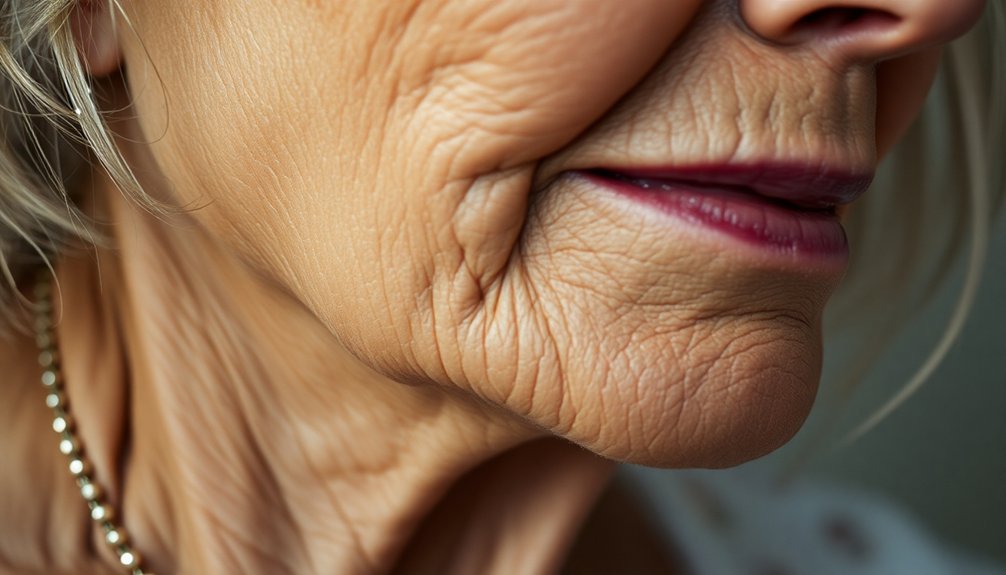
As you navigate aging, it’s easy to feel pressure from societal beauty standards. Nora Ephron’s witty approach encourages you to embrace those physical changes with humor and grace. Her reflections resonate with the themes of healing and empowerment found in the stories shared by women who have faced hardships and emerged stronger.
Embracing Physical Changes
While society often pressures you to maintain a youthful appearance, embracing the physical changes that come with aging can be a liberating experience. Nora Ephron highlights this journey in her essay collection, encouraging self-acceptance amid societal expectations.
Rather than feeling confined by arbitrary “sell-by dates” for beauty, you can find confidence in your evolving self. Ephron’s relatable anecdotes remind you that aging is a shared experience, filled with anxieties and triumphs.
By rejecting external validation and focusing on embracing physical changes, you can shift your perspective and learn to appreciate the wisdom and character that come with age.
Ultimately, embracing these changes allows you to navigate life with grace, humor, and a newfound appreciation for who you are.
Humor in Aging
Steering through the complexities of aging can be intimidating, but Nora Ephron shows that laughter often serves as the best remedy. In “I Feel Bad About My Neck,” she highlights the humor in aging, allowing you to confront physical changes with grace.
Ephron’s candid reflections encourage self-acceptance, helping you navigate societal beauty standards that can feel suffocating. By embracing the inevitable aging process through humor, you find empowerment rather than despair.
The rise of the “Zoom boom” emphasizes the scrutiny you face, but Ephron reminds you that beauty isn’t defined by a sell-by date. Her witty insights foster camaraderie among women, creating a shared journey toward confidence and acceptance, proving that laughter can be a powerful ally in redefining self-worth.
Societal Beauty Standards
Steering through societal beauty standards can feel like an uphill battle, especially as you age and face mounting pressures to conform to unrealistic ideals.
Nora Ephron’s “I Feel Bad About My Neck” addresses these challenges by highlighting the emotional toll they take on women. The idea of a “sell-by date” for beauty pushes many to chase youth, often leading to hasty decisions like cosmetic procedures, especially during the pandemic’s “Zoom boom.”
Yet, Ephron’s candid humor promotes self-acceptance and encourages you to embrace your natural beauty. Instead of seeking validation from societal expectations, you can find empowerment in your unique journey through aging, reminding yourself that true worth extends far beyond appearances.
Cultural Reflections on Beauty Standards
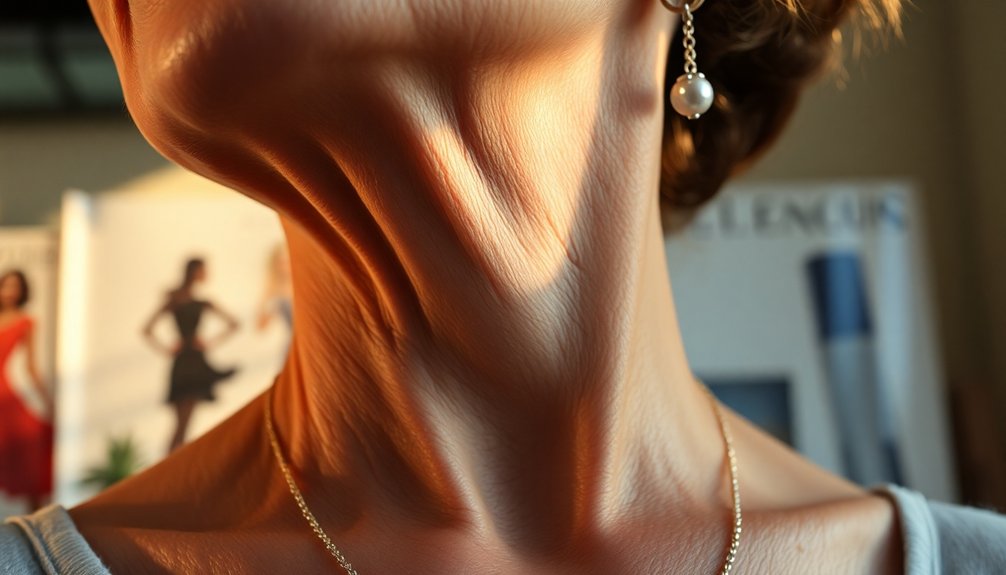
As Nora Ephron deftly illustrates in her essay collection “I Feel Bad About My Neck,” societal beauty standards often impose unrealistic expectations, particularly on women as they age.
Ephron critiques the arbitrary “sell-by dates” that make you feel bad about your appearance after a certain age. This Celebrity Memoir Book resonates deeply, encouraging self-acceptance and challenging the relentless pursuit of youthfulness.
The recent “Zoom boom” heightened scrutiny over looks, amplifying these pressures. Ephron’s humorous take on aging fosters essential conversations about beauty norms, making her work a significant cultural commentary. Additionally, her reflections echo the impact of societal structures that contribute to unrealistic beauty standards, prompting a reevaluation of what it means to age gracefully.
Personal Anecdotes and Relatability
Ephron’s insights on beauty standards resonate not just as cultural critiques but also through her personal anecdotes that many women find familiar.
In “I Feel Bad About My Neck,” Nora shares her humorous struggles with aging, particularly her neck, which reflects the insecurities many of us face.
Her candid stories about life as a White House intern and other moments create an intimate connection, inviting you to laugh and empathize.
You can’t help but relate to her feelings of discomfort about appearance, as she captures the essence of what it means to grow older in a society obsessed with youth.
Through her wit and honesty, Nora helps you recognize that you’re not alone in these experiences. Moreover, her reflections encourage embracing personal growth and resilience, reminding us that the journey of aging can be both humorous and empowering.
Impact on Women’s Conversations
While traversing the complexities of aging, many women find themselves drawn to the conversations sparked by Nora Ephron’s “I Feel Bad About My Neck.”
This memoir not only addresses societal pressures but also creates a platform for candid discussions about self-acceptance and physical appearance. Ephron’s humorous insights resonate deeply, fostering a sense of community among women in New York and beyond.
By discussing topics like maintenance and menopause, she encourages you to embrace the natural aging process. “Bad About My Neck” challenges traditional beauty standards, prompting you to prioritize self-care and personal confidence over external validation.
Through “Neck and Other Thoughts,” Ephron inspires reflective conversations, allowing women to share their experiences and redefine self-image in today’s culture. Additionally, her exploration of generational poverty mirrors the struggles faced by immigrant communities, further enriching the discourse on resilience and self-identity.
Legacy of Nora Ephron’s Work
Nora Ephron’s influence extends far beyond her witty observations about aging and beauty. Her legacy is felt in various ways, transforming how we discuss these topics and inspiring countless individuals.
Here are four key aspects of her impact:
- Empowerment: Ephron encouraged women to embrace aging with humor and self-acceptance, often reflecting on her own experiences with beauty standards and bath oil routines.
- Cultural Commentary: Her essays blend personal anecdotes with broader issues, making her insights relatable and engaging.
- Inspiring Creators: Generations of writers and filmmakers draw from her sharp wit and perspective, similar to how authors of Christian romance fiction weave together themes of love and faith.
- Iconic Films: Movies like “When Harry Met Sally…” showcase nuanced female characters, reinforcing her importance in romantic comedy.
Ephron’s work continues to spark essential conversations about authenticity and women’s issues today.
Insights From the Podcast Discussion
In the podcast episode, you’ll find Nora Ephron’s witty take on aging and its challenges. The hosts shine a light on how Ephron humorously tackles societal beauty standards, making it relatable for everyone. Additionally, her reflections emphasize the importance of embracing challenges as a pathway to personal growth and resilience.
Aging With Humor
As you plunge into the podcast discussion about aging with humor, it’s clear that Nora Ephron’s unique approach resonates deeply with listeners. She uses humor as a coping mechanism to tackle the challenges of aging gracefully.
Here are some insights that stand out:
- Humor Therapy: Ephron’s witty observations provide a therapeutic lens, helping listeners confront societal pressures.
- Laughter Resilience: Her reflections highlight the power of laughter in building emotional strength during the aging process.
- Self-Acceptance: Ephron encourages women to embrace their experiences and bodies, promoting a positive narrative around aging.
- Relatable Experiences: By sharing personal anecdotes, she connects deeply, blending comedy with poignant reflections.
This mix makes her commentary not just entertaining but also profoundly impactful.
Societal Beauty Standards
Ephron’s sharp wit not only entertains but also critiques the unrealistic beauty standards that often plague women, especially as they age.
The podcast discussion reveals how societal pressures create narrow beauty expectations, pushing women to feel inadequate when they don’t meet these ideals.
Ephron’s concept of “sell-by dates” highlights how aging perceptions are skewed, suggesting that beauty has an expiration date tied to age.
Her humor acts as a coping mechanism, allowing you to confront the anxieties surrounding physical appearance in a youth-obsessed culture.
As you listen, you’re encouraged to embrace self-acceptance and reject these limiting ideals.
Ultimately, Ephron inspires you to enjoy life and appreciate your unique beauty without succumbing to societal expectations.
Key Themes in Ephron’s Memoir
Aging brings with it a complex interplay of acceptance and societal expectations, themes that resonate deeply in “I Feel Bad About My Neck.” Nora Ephron candidly explores the pressures women face regarding beauty and appearance, using humor as an essential tool to navigate these often uncomfortable realities.
Key themes in Ephron’s memoir include:
- Aging Gracefully: Embracing the changes that come with age.
- Self Acceptance Journey: Acknowledging and accepting one’s authentic self.
- Beauty Redefined: Challenging traditional beauty standards and redefining what beauty means.
- Empowerment Through Humor: Using wit to confront the challenges of aging.
Through her relatable anecdotes, Ephron encourages you to embrace life fully and appreciate the beauty in every stage of aging. Furthermore, her reflections on the fragility of life resonate with the experiences of those navigating personal challenges, much like the characters in John Green’s works.
Recommended Readings for Further Exploration
Exploring the themes of aging and self-acceptance in “I Feel Bad About My Neck” opens the door to a wealth of insightful literature that resonates with similar experiences.
For reading recommendations, consider pairing Ephron’s memoir with “Heartburn,” which humorously tackles personal relationships and aging.
Naomi Wolf’s “The Beauty Myth” critiques societal beauty standards, making important thematic connections to self-image.
Niall Williams’ “This is Happiness” beautifully reflects on life’s fleeting moments, echoing Ephron’s contemplations.
Brené Brown’s “The Gift of Imperfection” champions self-acceptance and vulnerability, aligning with Ephron’s candidness.
Finally, don’t miss Ephron’s own screenplay, “When Harry Met Sally,” showcasing her unique blend of humor and sharp insights on love and relationships.
Moreover, these literary influences invite readers to engage in self-reflection that fosters a deeper understanding of their own experiences and emotions.
Conclusion
Nora Ephron’s “Neck” isn’t just a collection of essays; it’s a mirror reflecting our insecurities, a celebration of our quirks, and a reminder that aging is a shared journey. With her wit and wisdom, she invites you to laugh at your flaws, embrace your truth, and navigate life’s complexities. You find solace in her honesty and strength in her humor. So, as you explore her work, remember: you’re not alone in this beautiful, messy experience we call life.